Week 20: Aiming for the Sky
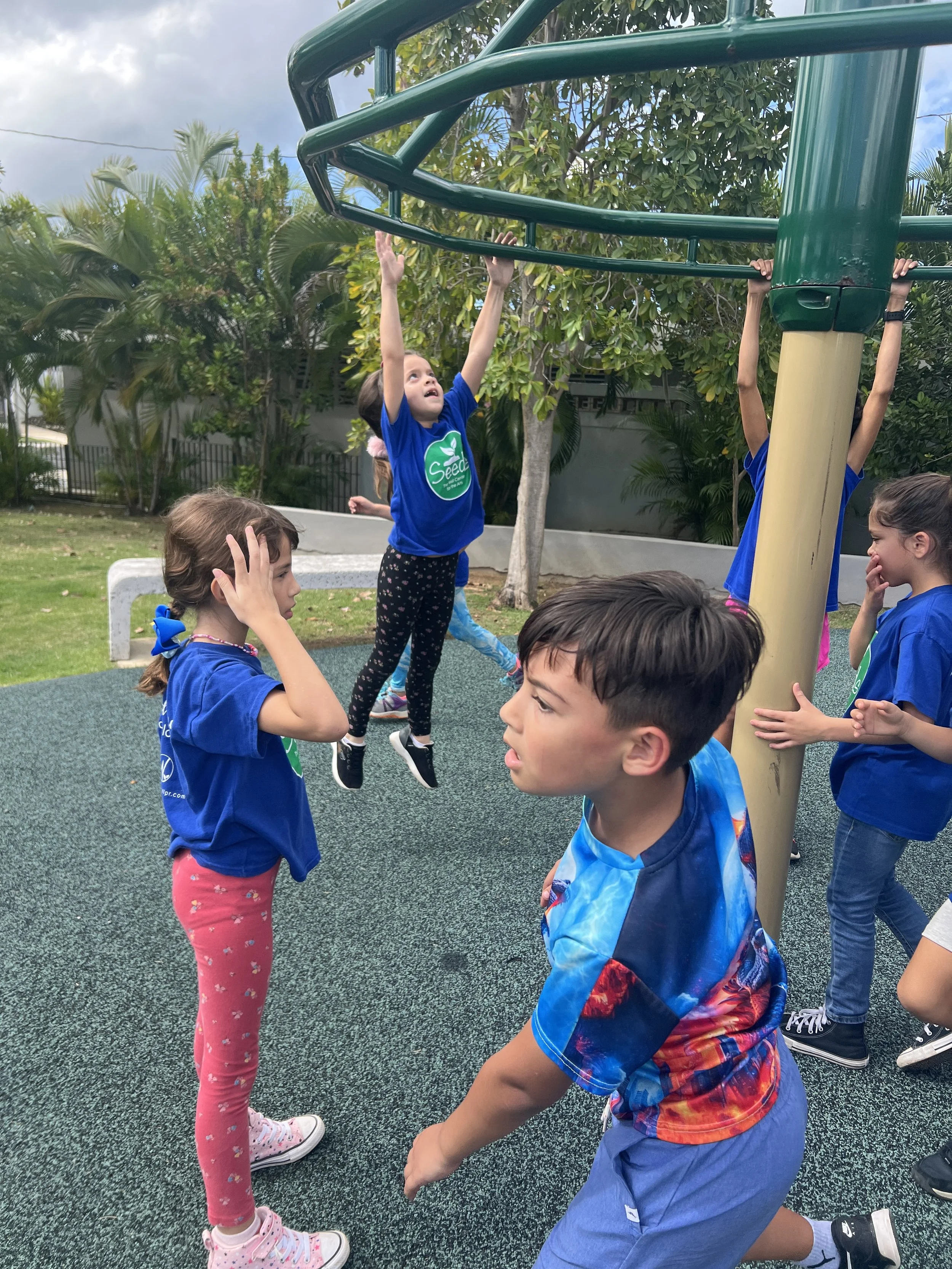
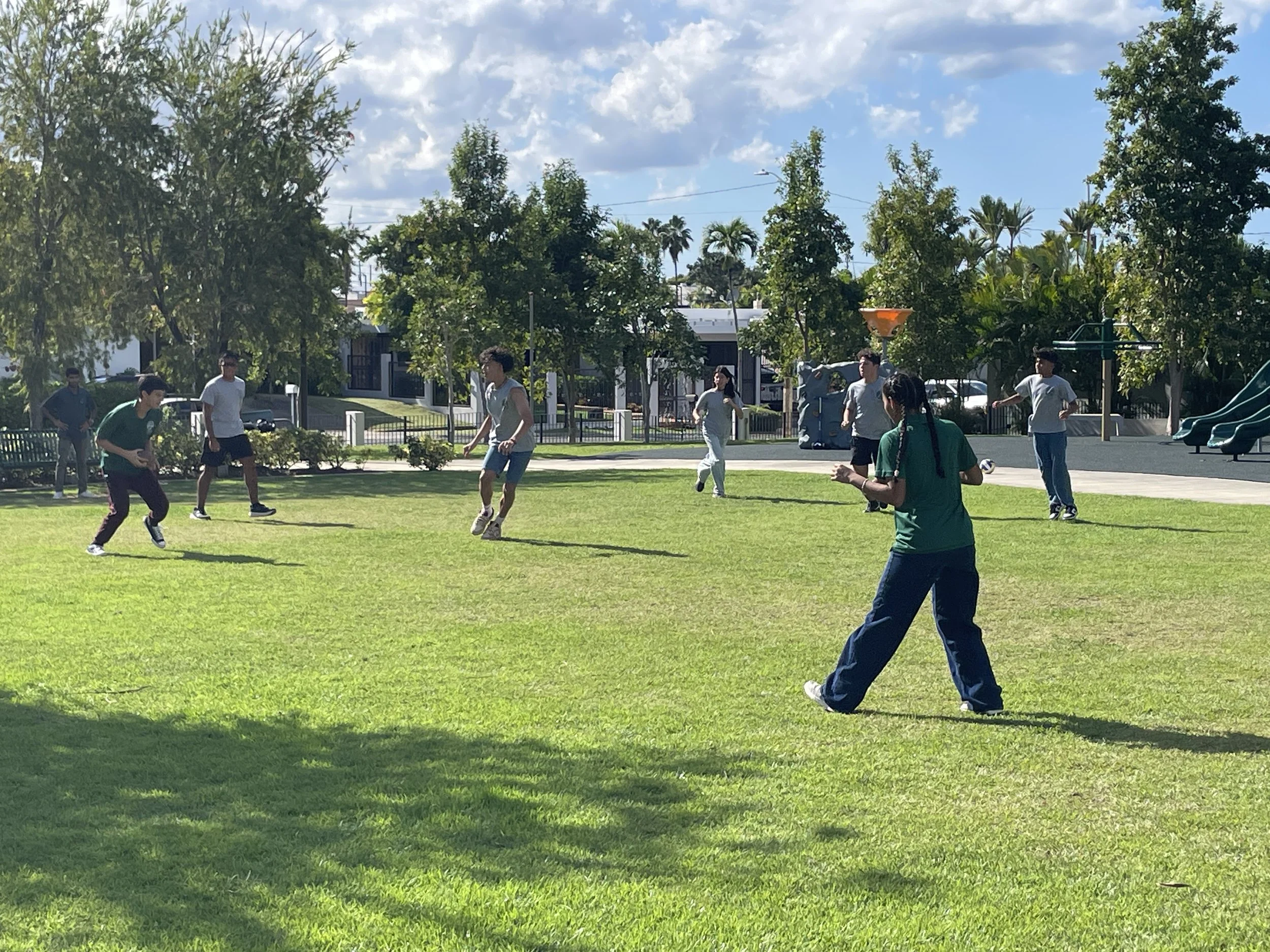
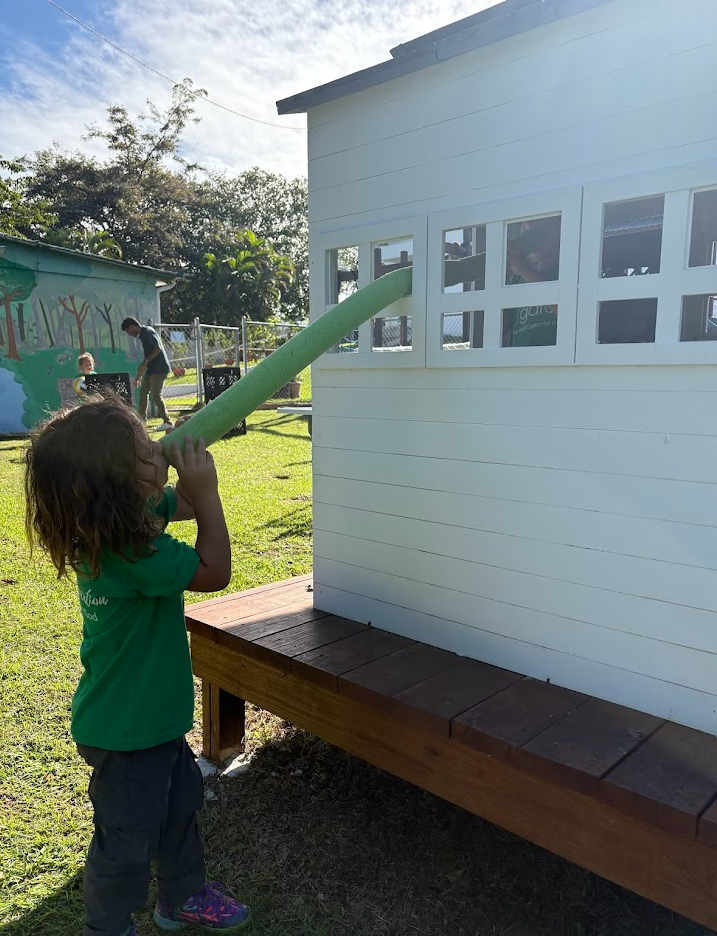
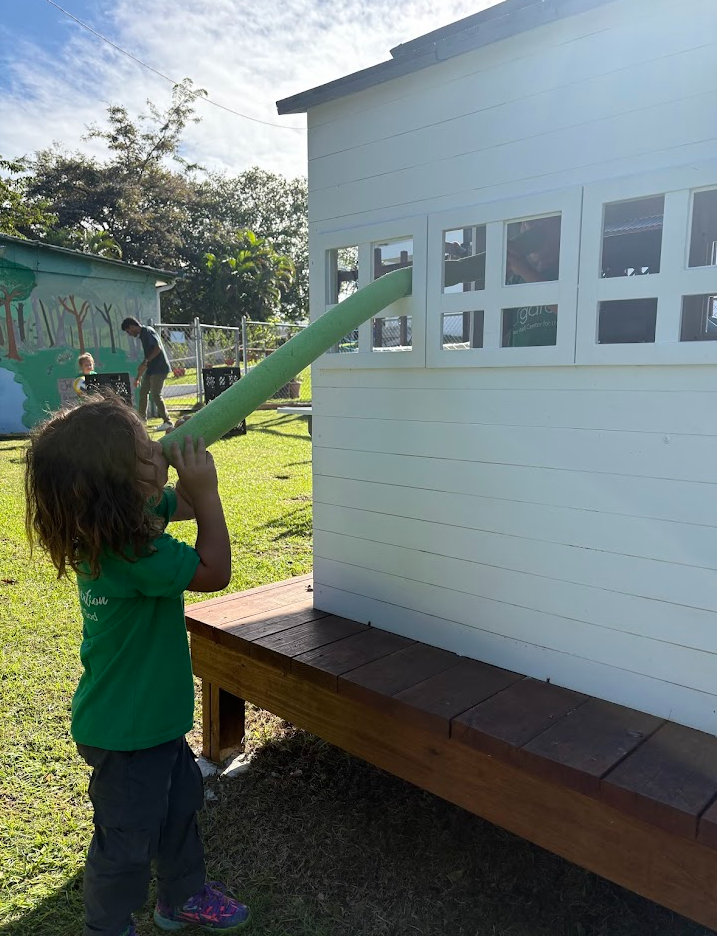
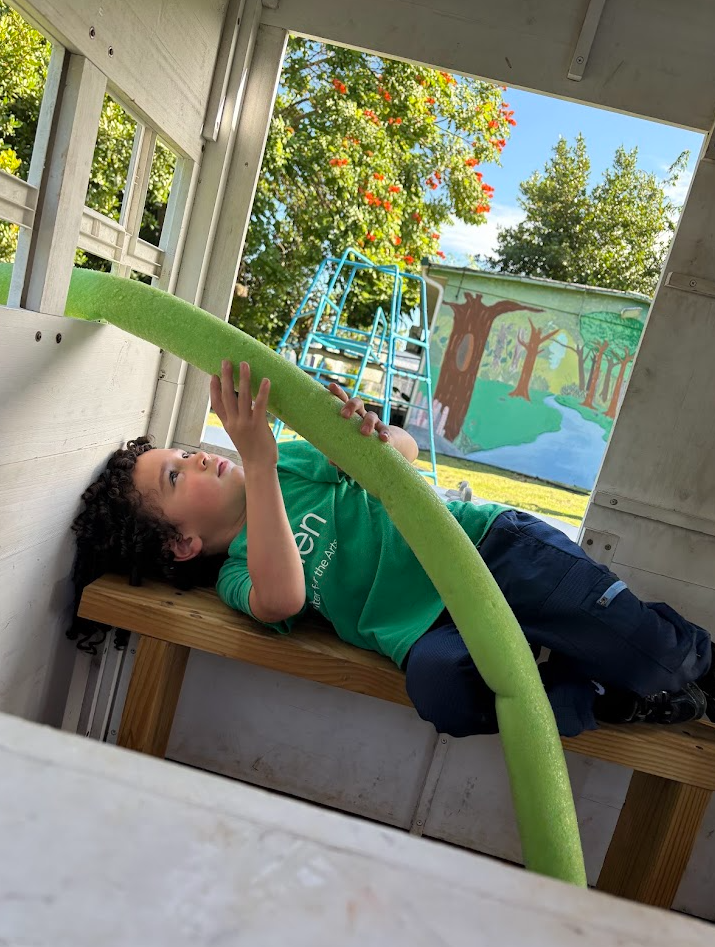
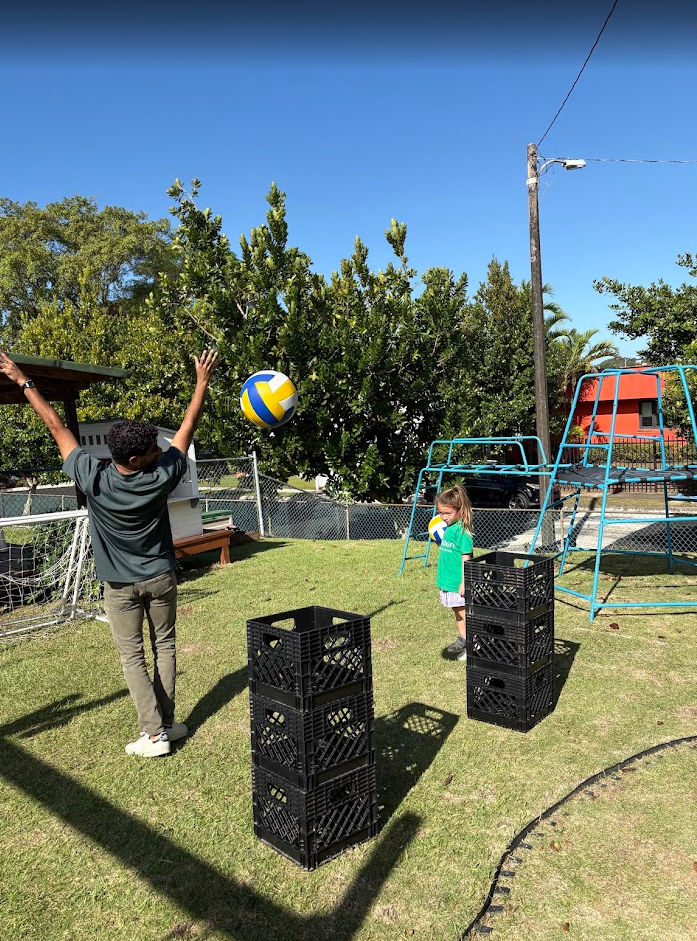
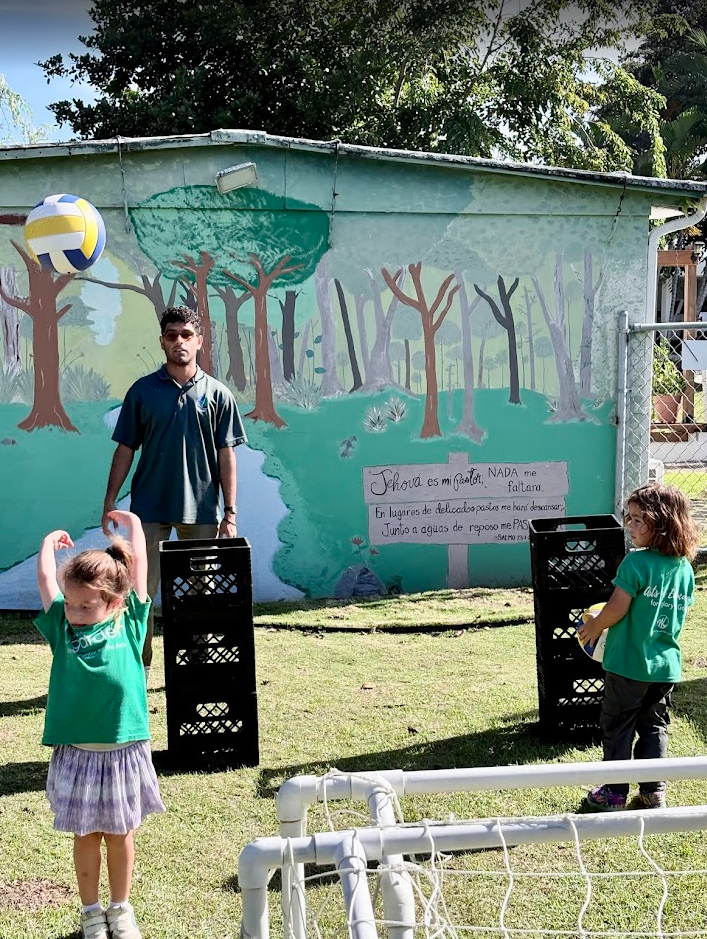
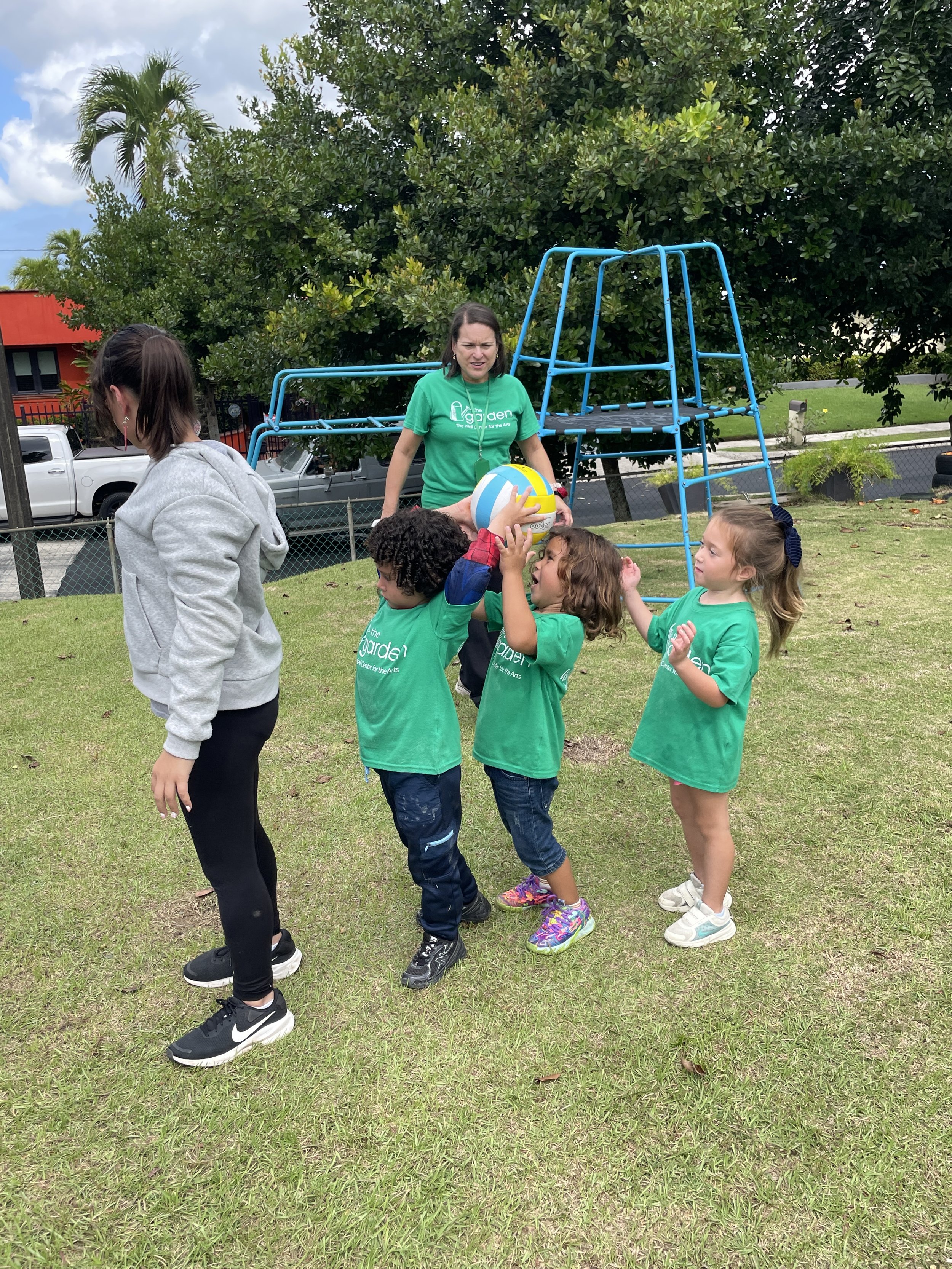
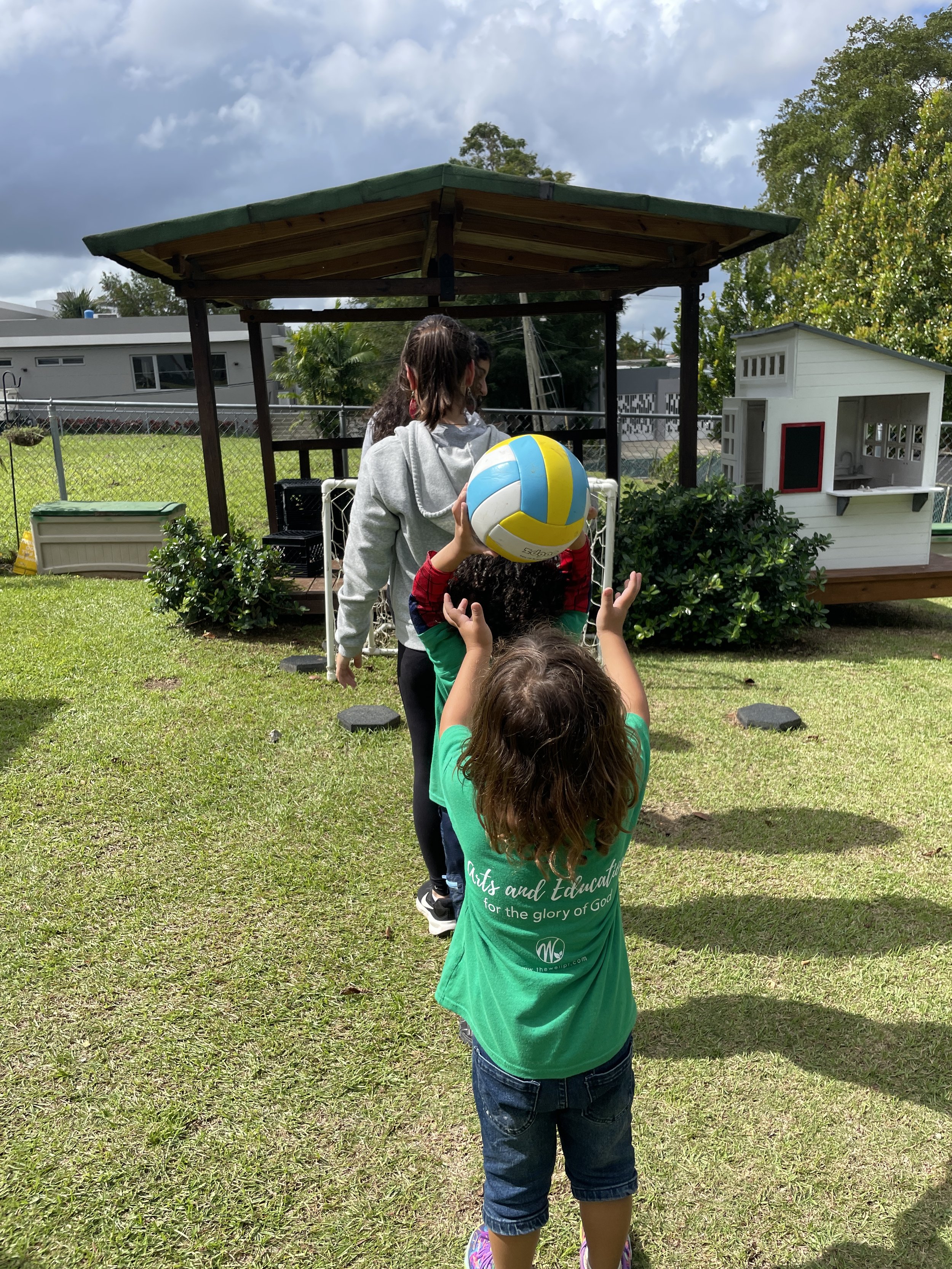
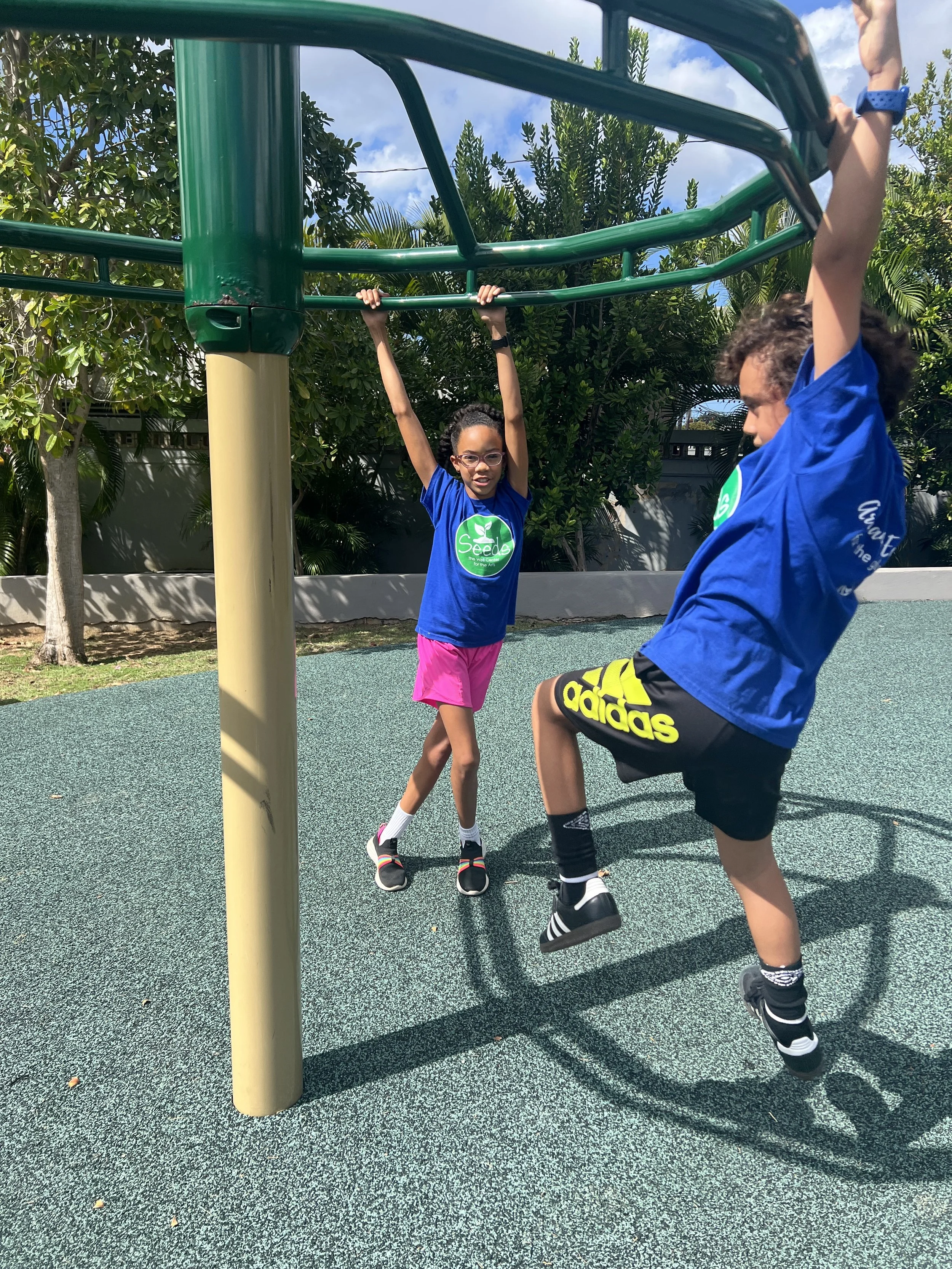
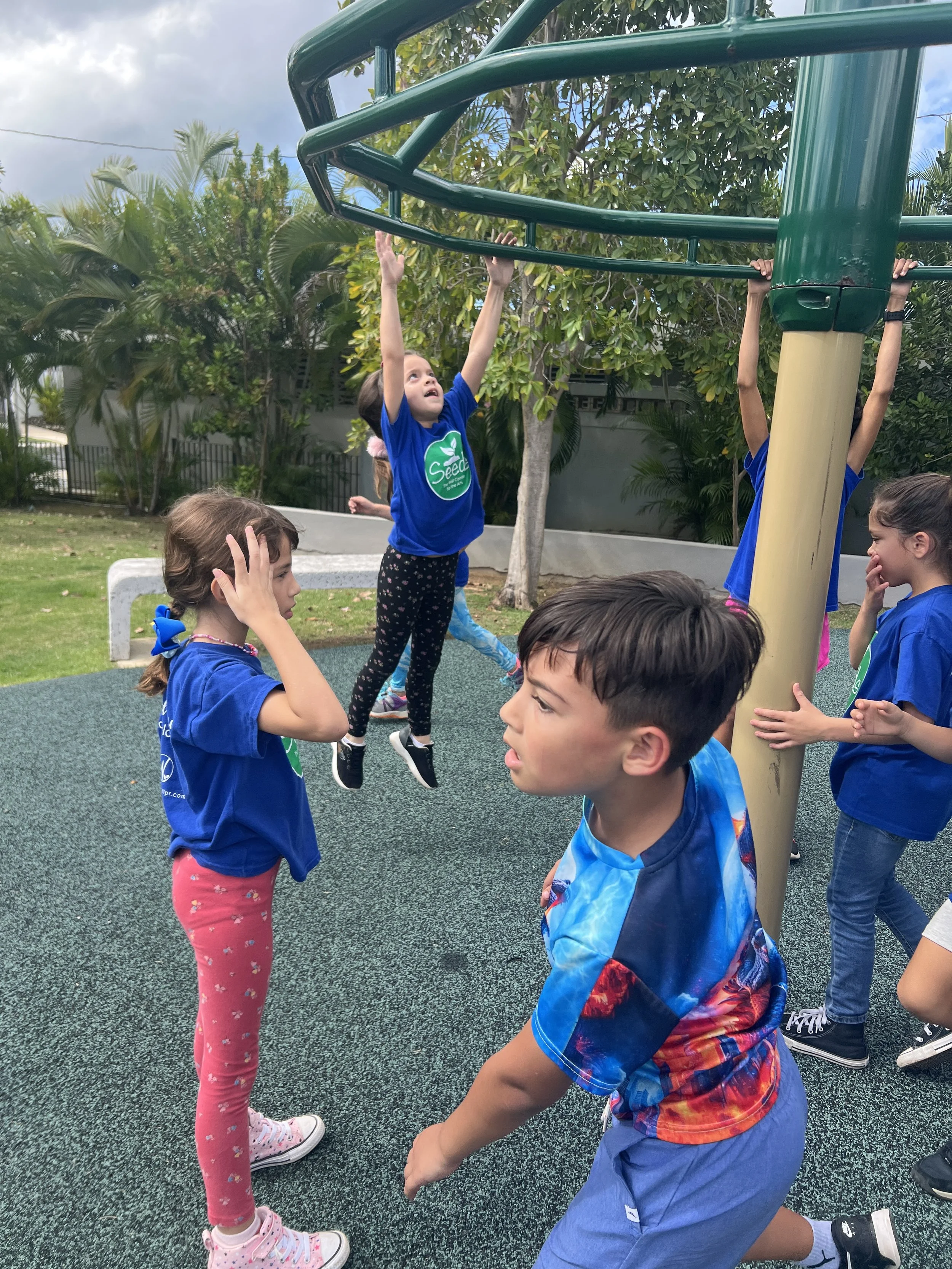
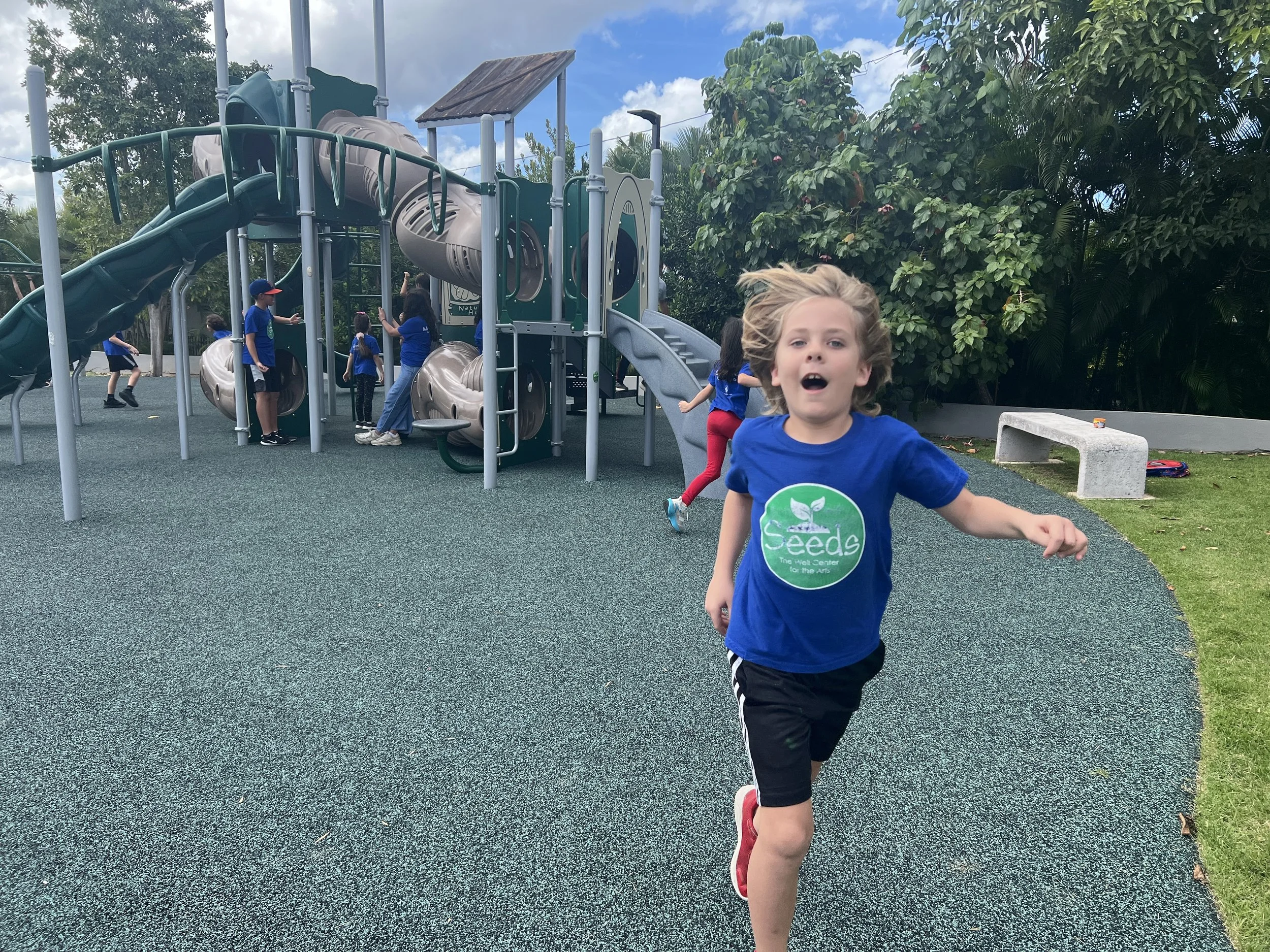
The kids absolutely LOVE it when they realize they’ve gotten a little taller and now they can reach the bars they couldn’t just a few months ago. This is a picture of how kids are growing all the time, and the joy we get in watching them do amazing things.
SUGGESTED AT-HOME READINGS VARY PER PROGRAM. PLEASE GO TO THE SECTION OF YOUR PROGRAM TO SEE THE SELECTED PAGES.
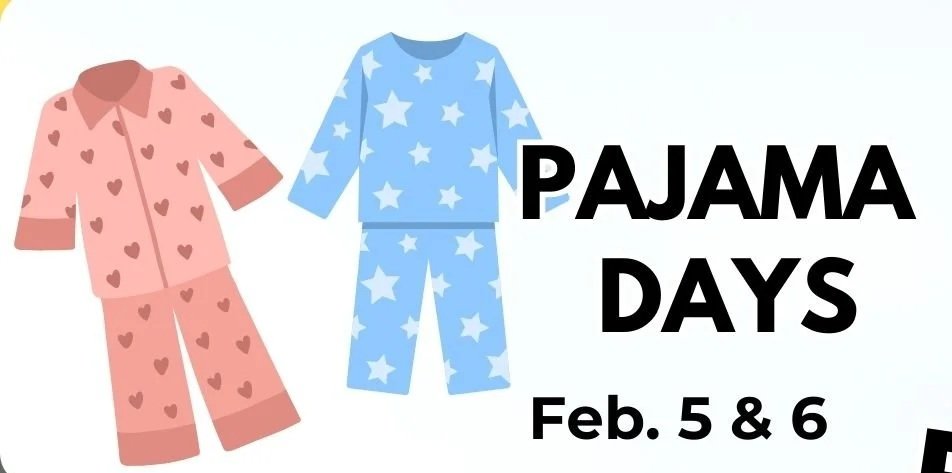
February Fun Days begin this week!
〰️
February Fun Days begin this week! 〰️
The Garden
This week during worship time, we learned that Jesus healed a paralytic man, and he was able to walk again. We also heard about how Jesus ate with tax collectors at Matthew’s home—people who were despised—how He called Matthew to follow Him. We are also called to follow Him because everyone needs Jesus to guide their lives. His mission was to bring salvation to all.
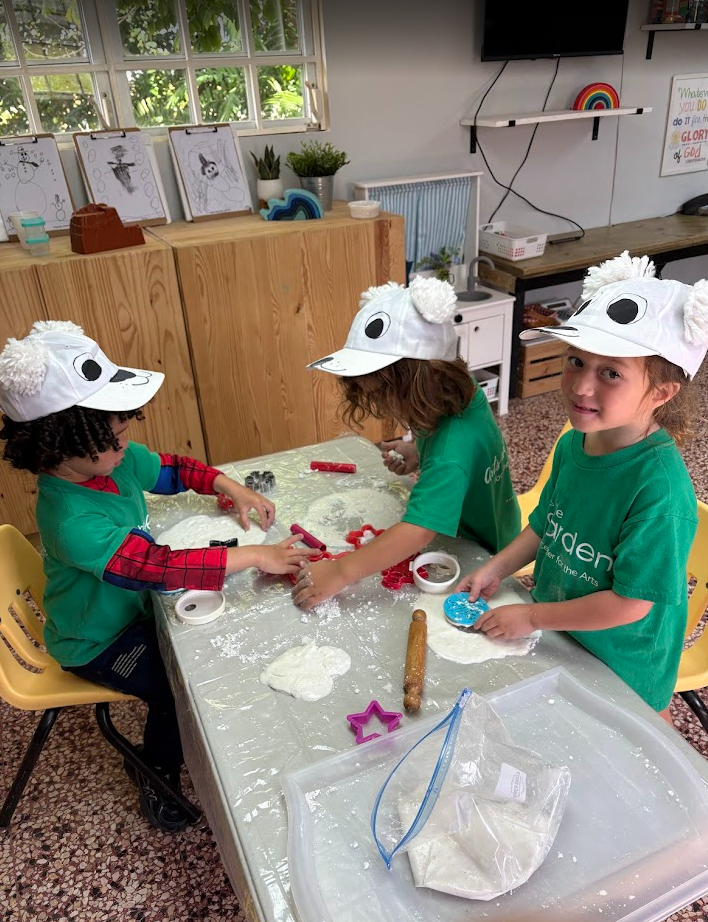
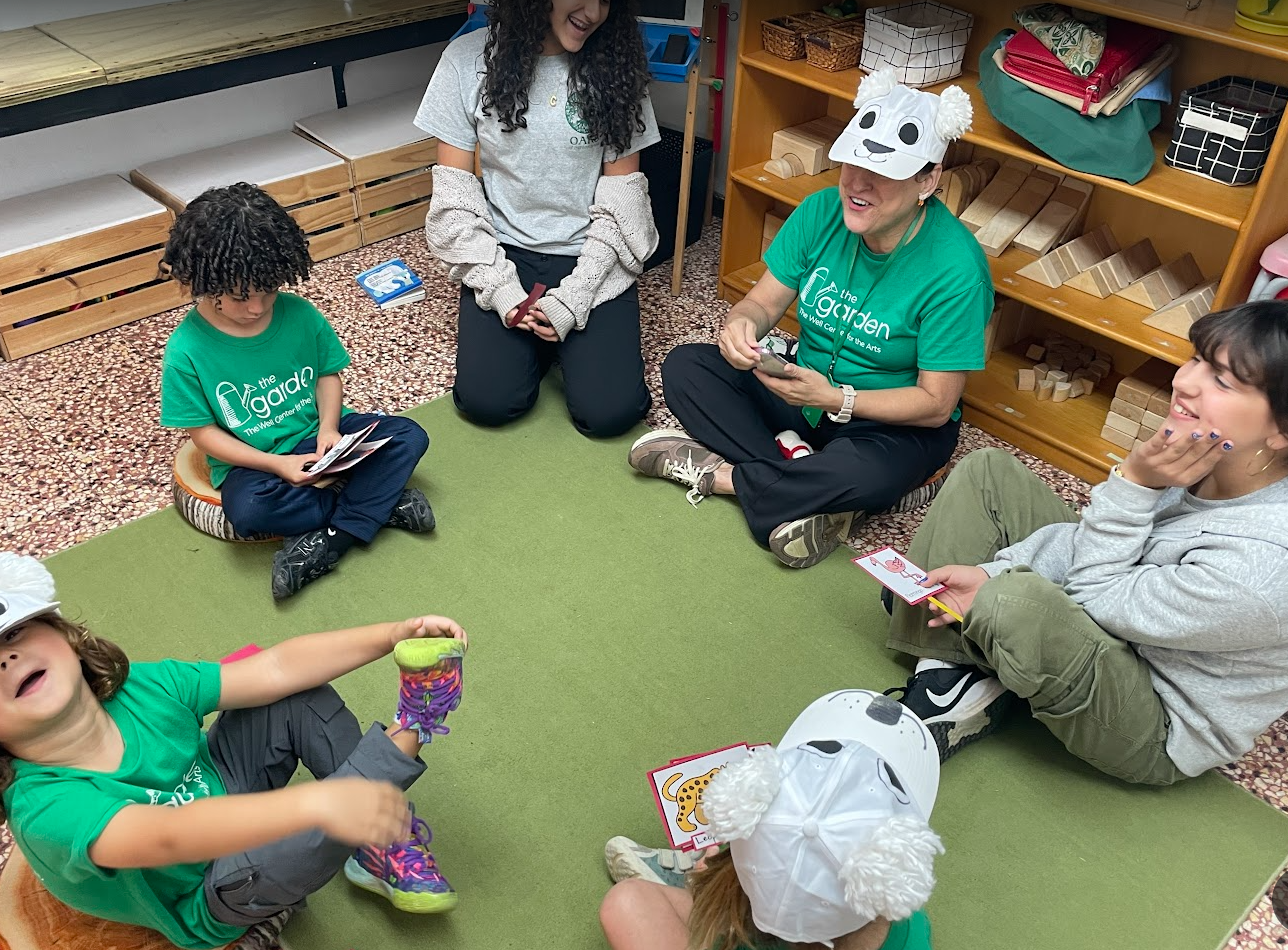
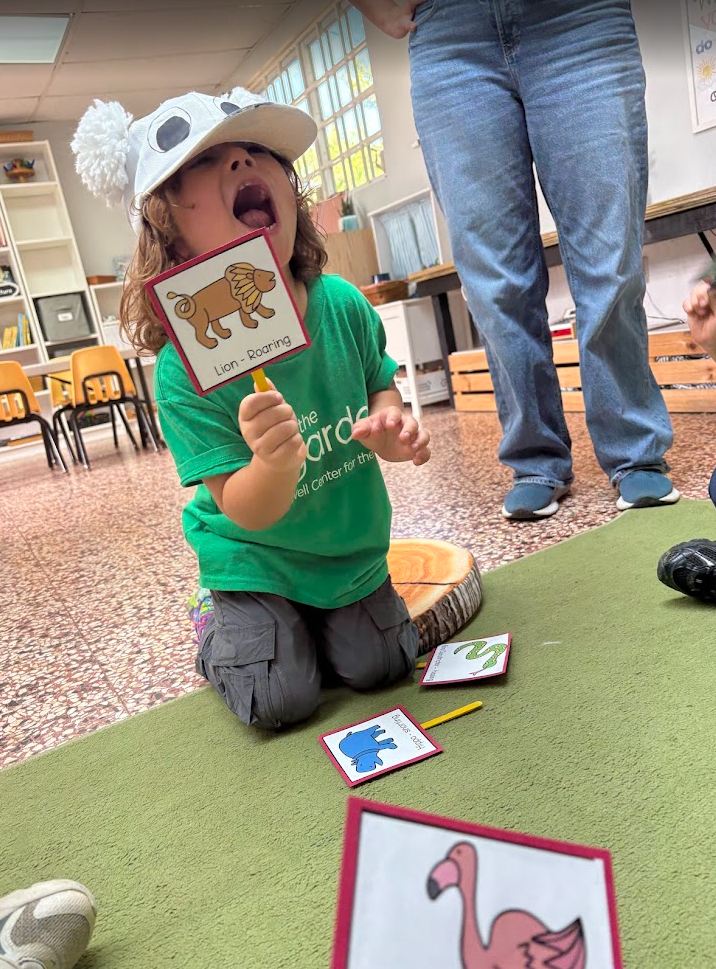
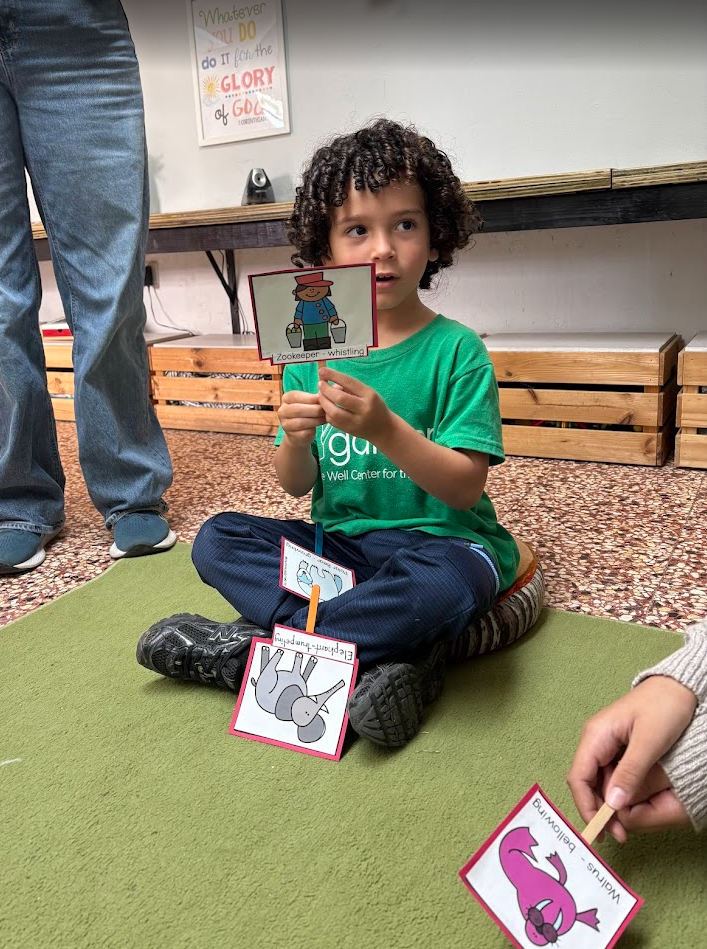
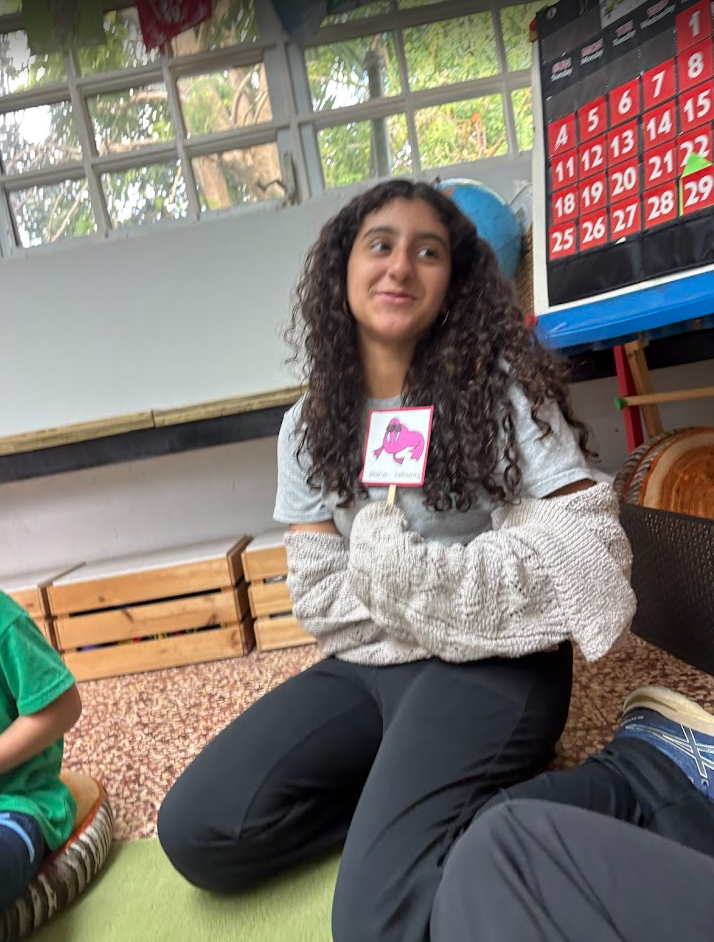
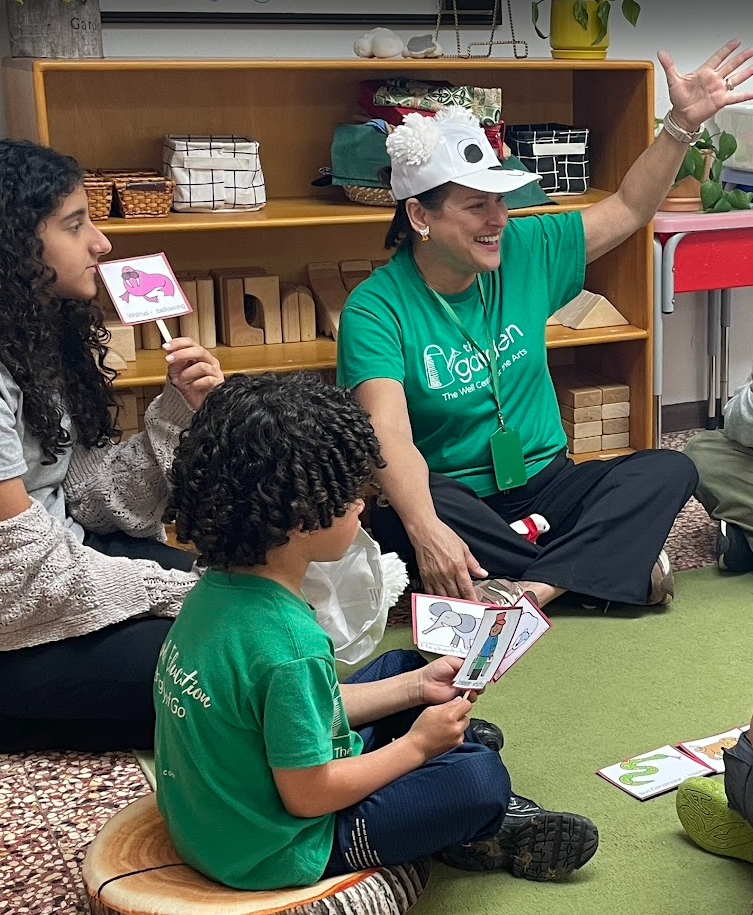
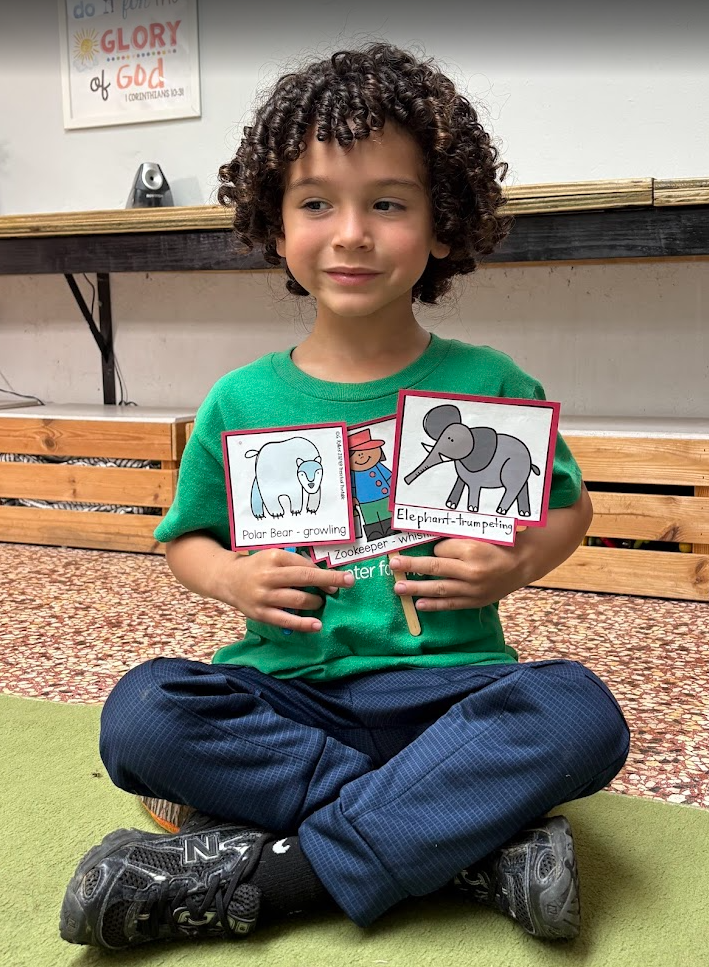
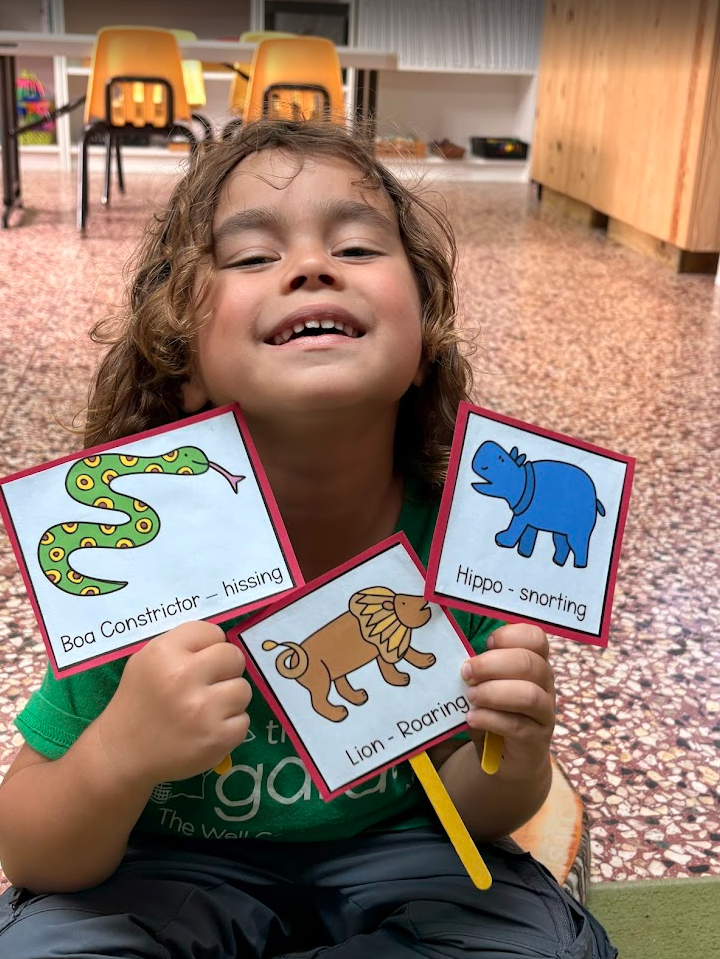
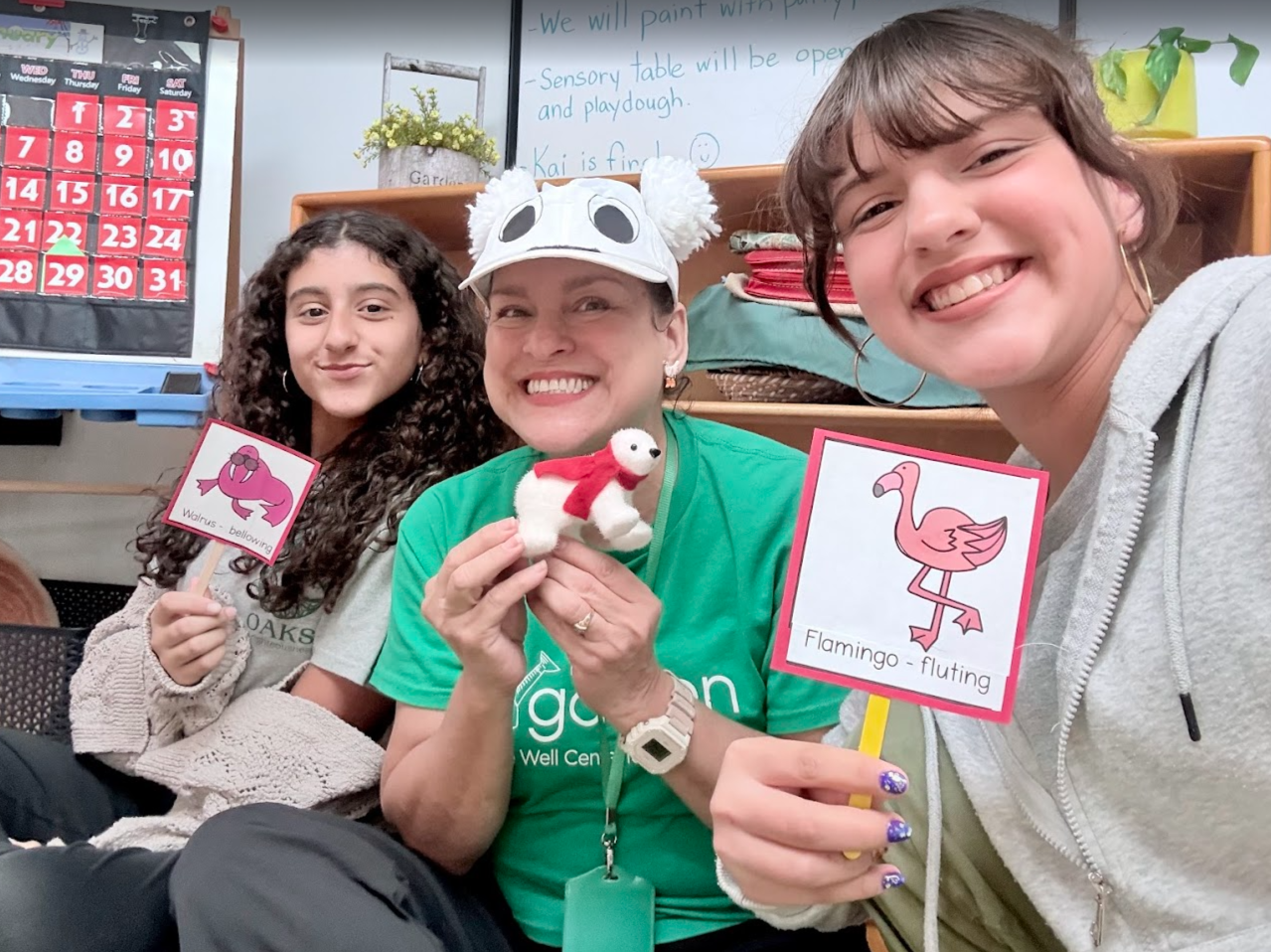
During circle time, we continued to learn facts about polar bears, including how they live in cold, snowy environments and are good swimmers who can swim long distances. We also learned that they like to eat fish and seals, that their skin is black under their fur, and that they have blue tongues- a super fun fact! We also got to dress up like polar bears again to play Polar Bear, Polar Bear, What Do You Hear? We listened to animal sounds together and guessed what animal it was.
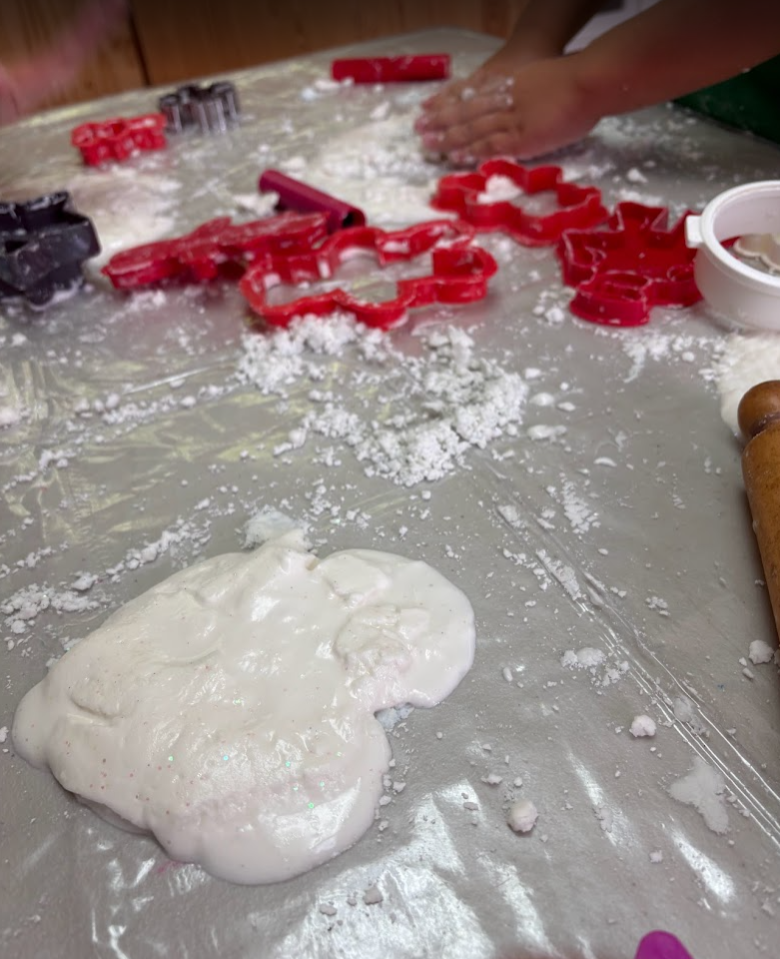
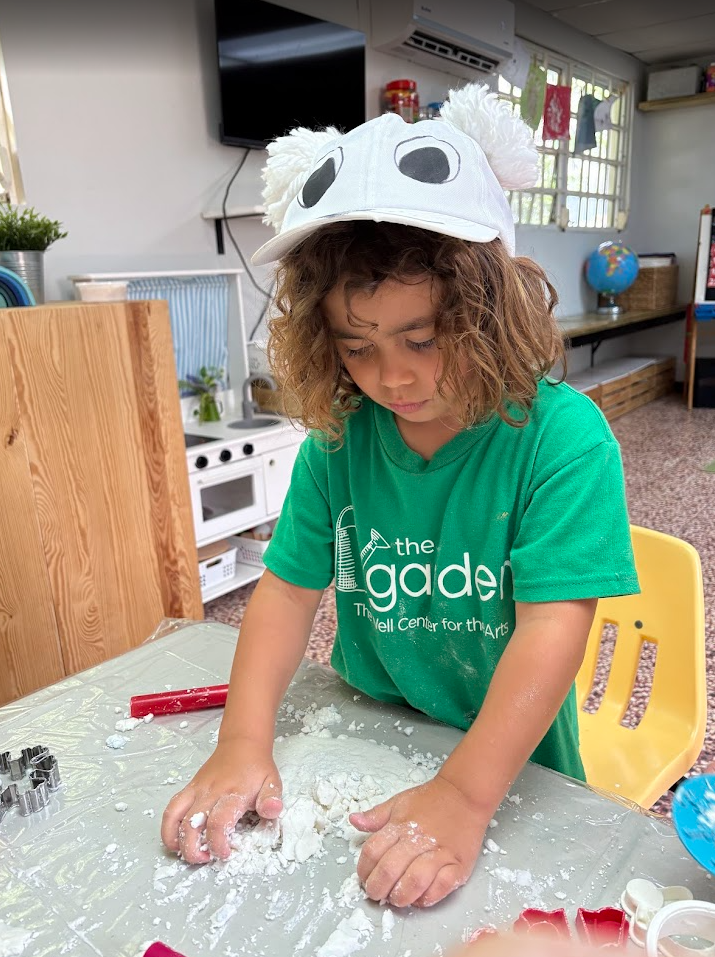
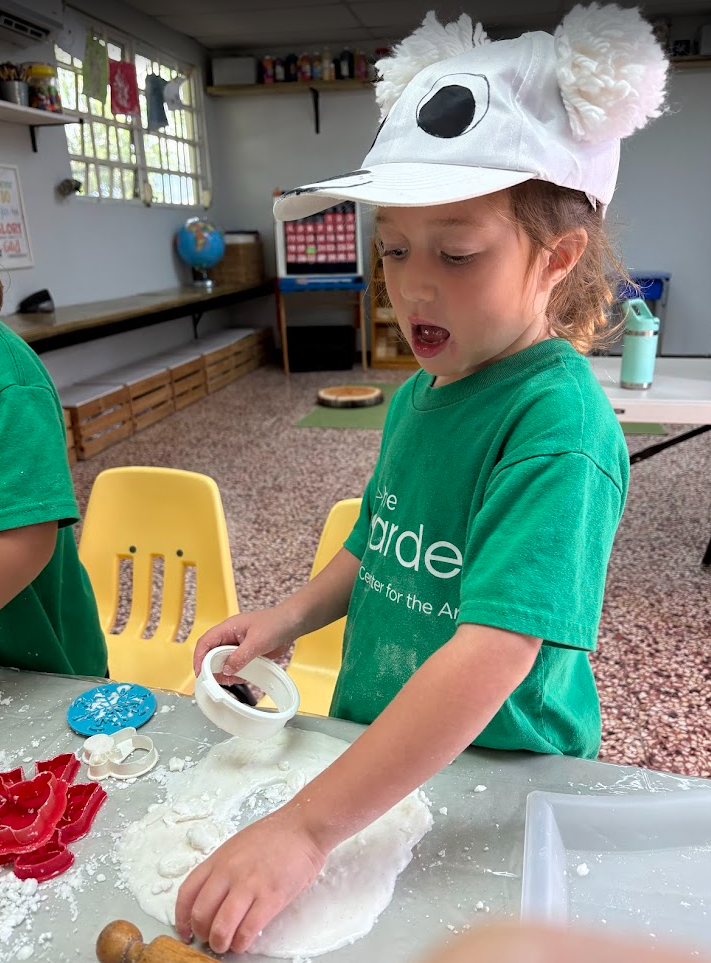
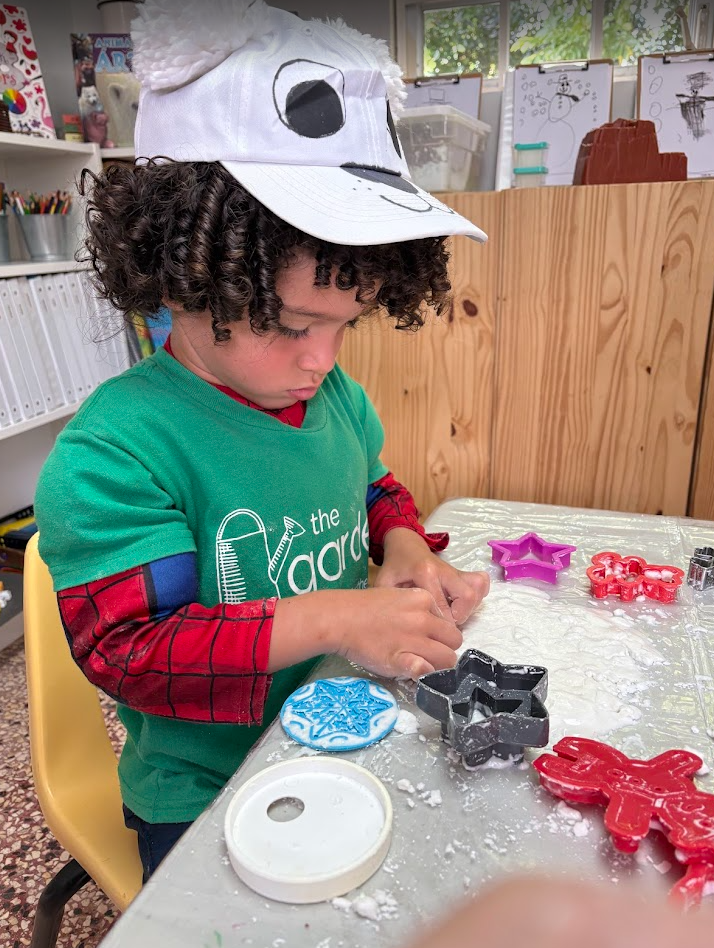
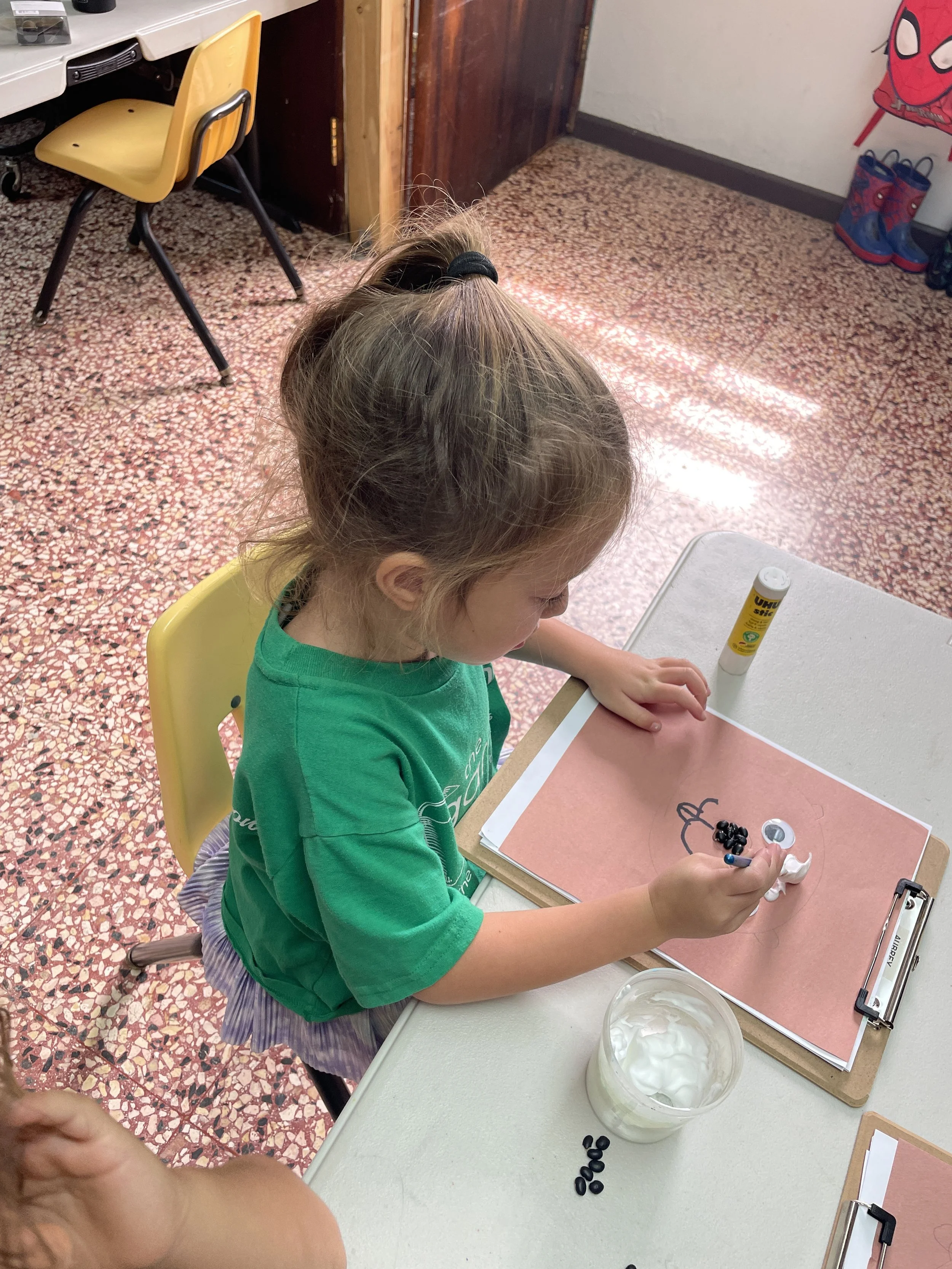
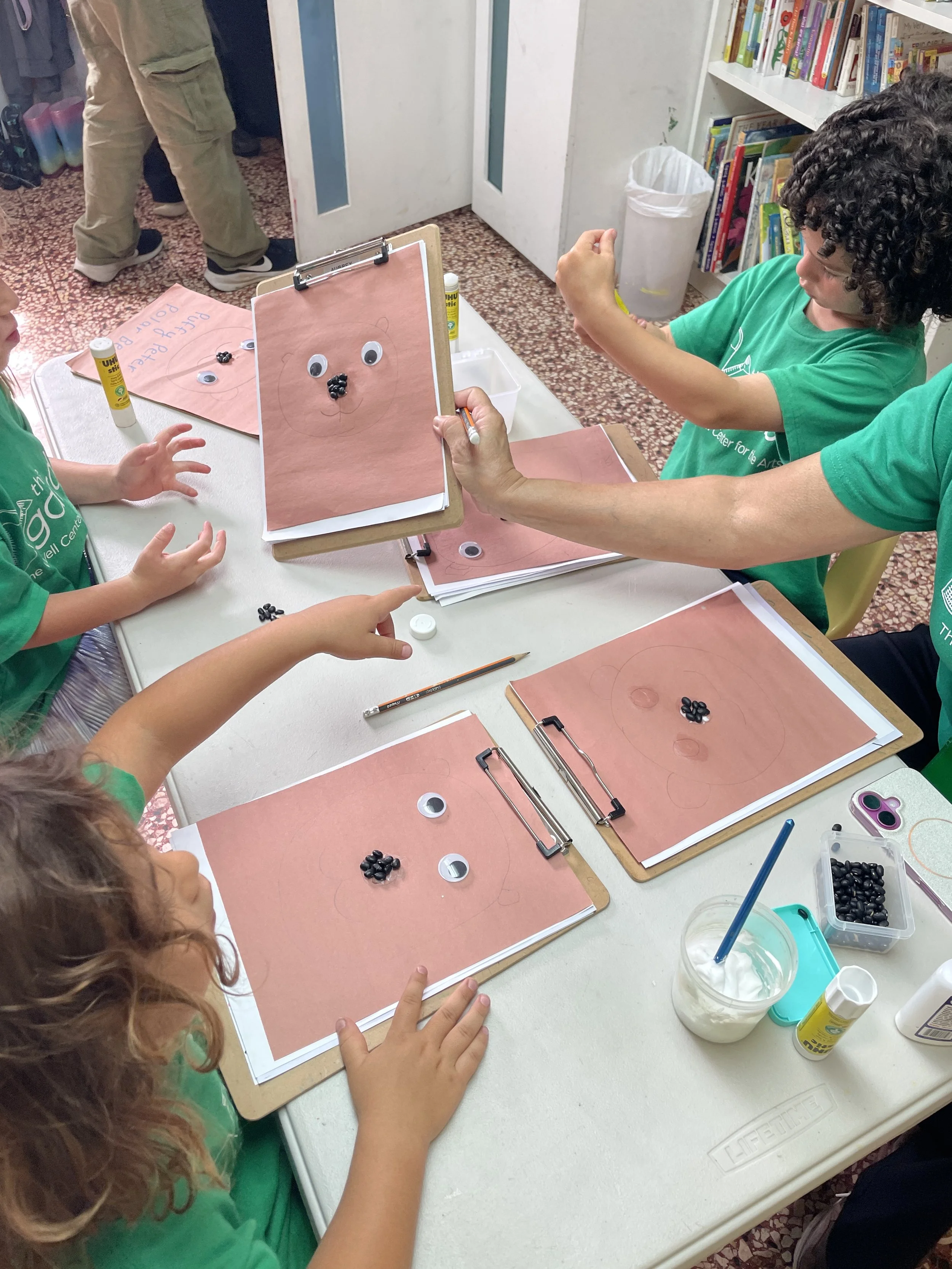
During activity time, we had the experience of building with tricky dough that looked like melted snow but wasn’t wet. It was fun to build something and watch it melt. We also got to paint a polar bear face using puffy paint and for the nose we used black beans.
This week’s stories were: Polar Polar What Do You Hear? and Winter Wonderland
The Seeds Program
BIBLE
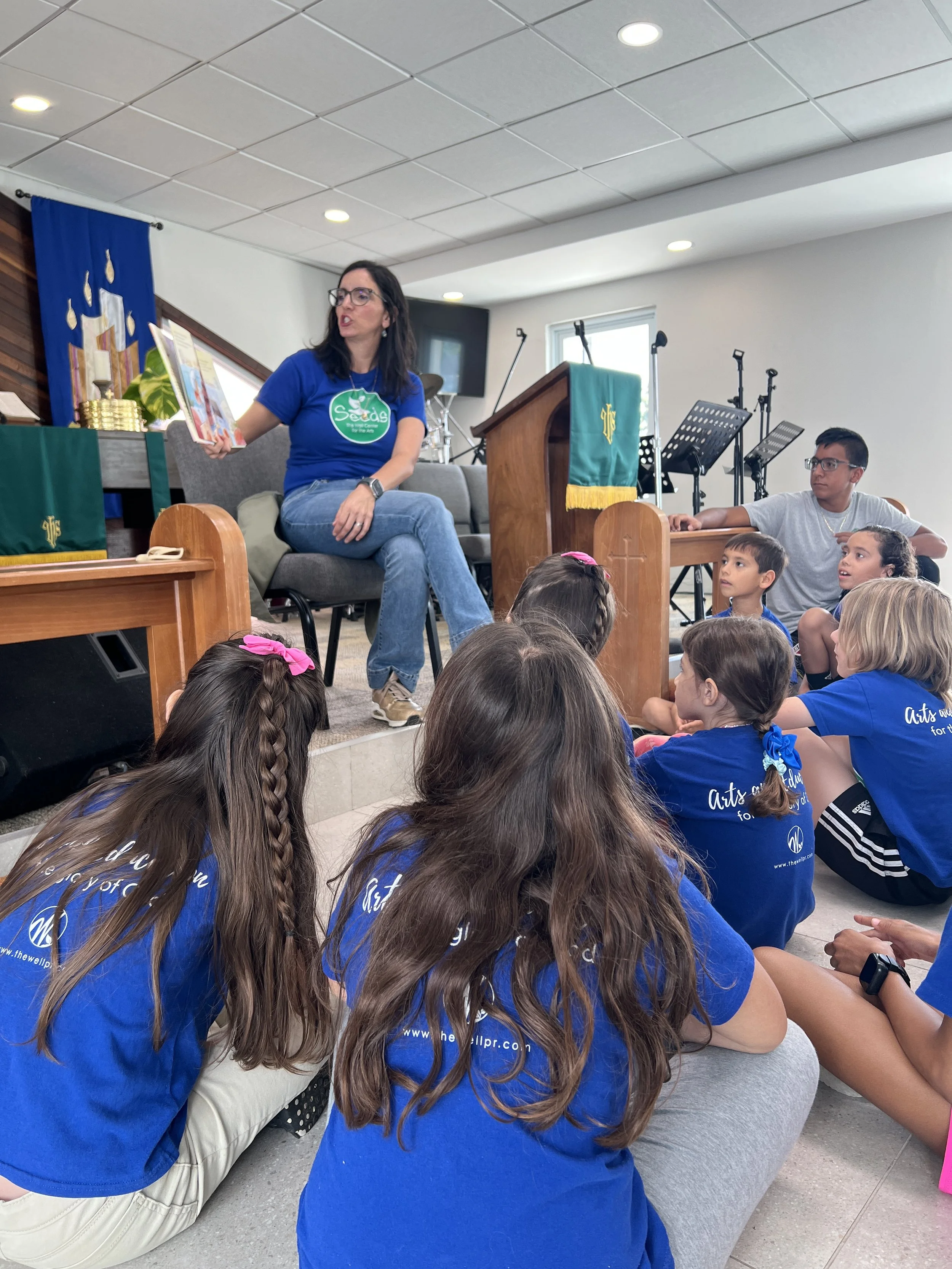
This week we honored two young men with two good bible names in SEEDS: Noah and Jonah. We continued listening to stories from the Gospel of Luke. We heard about how Jesus healed many people and performed even more miracles. The students enjoyed participating in creating a “rainstorm” with their hands as Jesus calmed the storm while his disciples were with him in the boat. Look at the DK Illustrated Bible to read these stories together.
SUGGESTED READINGS
Bible
Luke 7-10
DK Illustrated Bible
pgs. 248-249
pgs. 264-267, 274
SCIENCE
This week we followed the journey along the digestive system. After the stomach creates the chyme, it moves on to the small intestine to be broken down even further. We learned that even though it is called the small intestine, it actually is longer than the large intestine. Then, it passes to the large intestine where the process of peristalsis helps it to remove the water. What is left behind is the waste that moves on to our colon for its final destination. After this, I showed the students the pieces of the digestive system to add to our skeletons. We put it together in class so they knew how to do it at home. This week, we will learn about the pancreas and the liver and add those to the skeleton as well before moving on to the respiratory system.
*You can ADD THE DIGESTIVE SYSTEM to your skeletons except for the liver and the pancreas.
Here are the general instructions:
You will find the reproducible pages in the *Body Book* that was included in your book package. *It is best that you make these copies in cardstock paper so the skeleton is sturdier.*
These are the pages you need to copy:
1. Skeleton Base p. 54-60
2. Digestive System p. 93-98
3. Respiratory System p. 104-107
4. The Heart p. 118
5. The Urinary System- p.122
** Remember that if you have more than one child, you can choose to make one together instead of more than one. That is up to you.***
SUGGESTED READINGS
Encyclopedia of the Human Body p. 36
STUDIO TIME
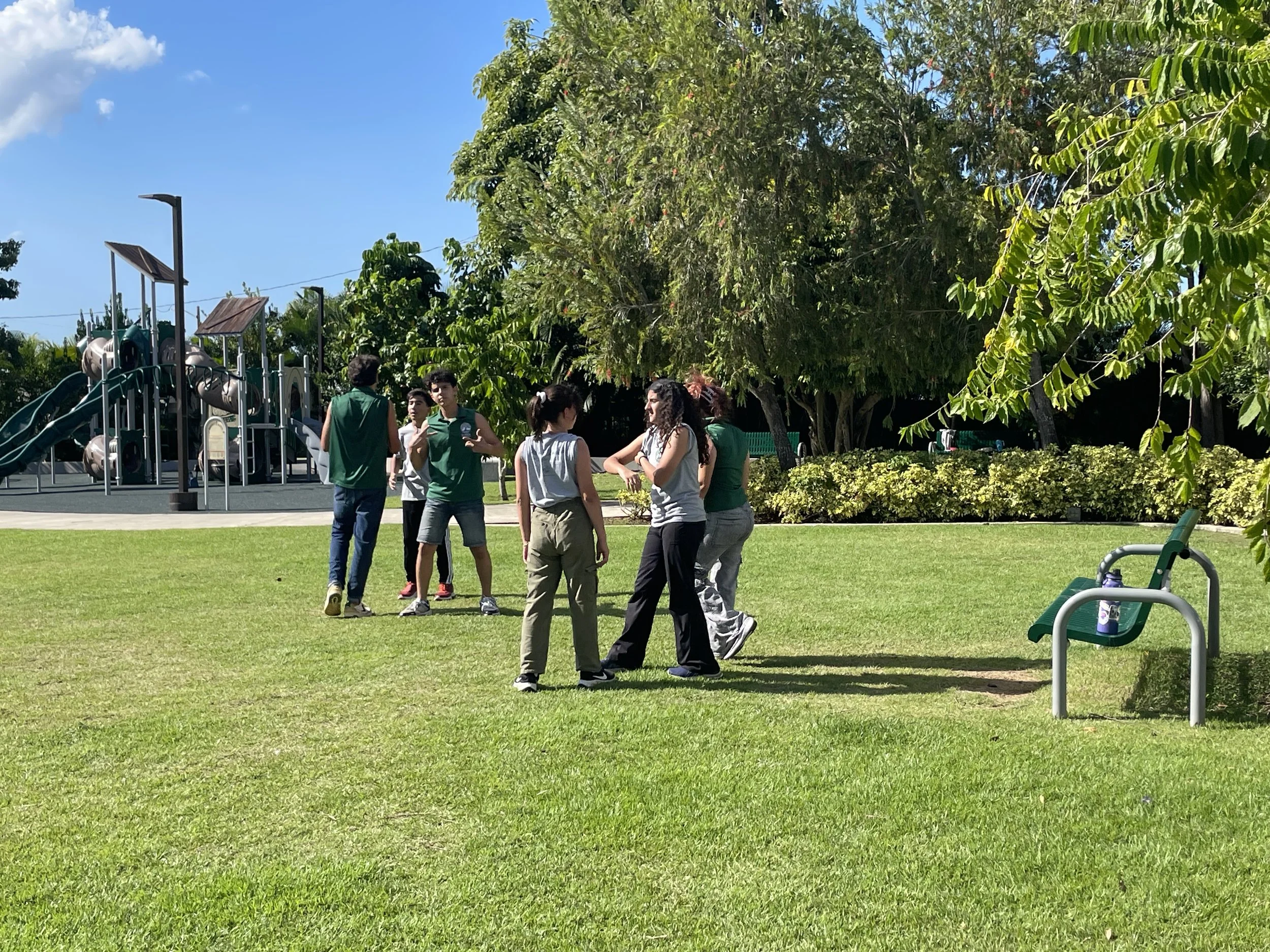
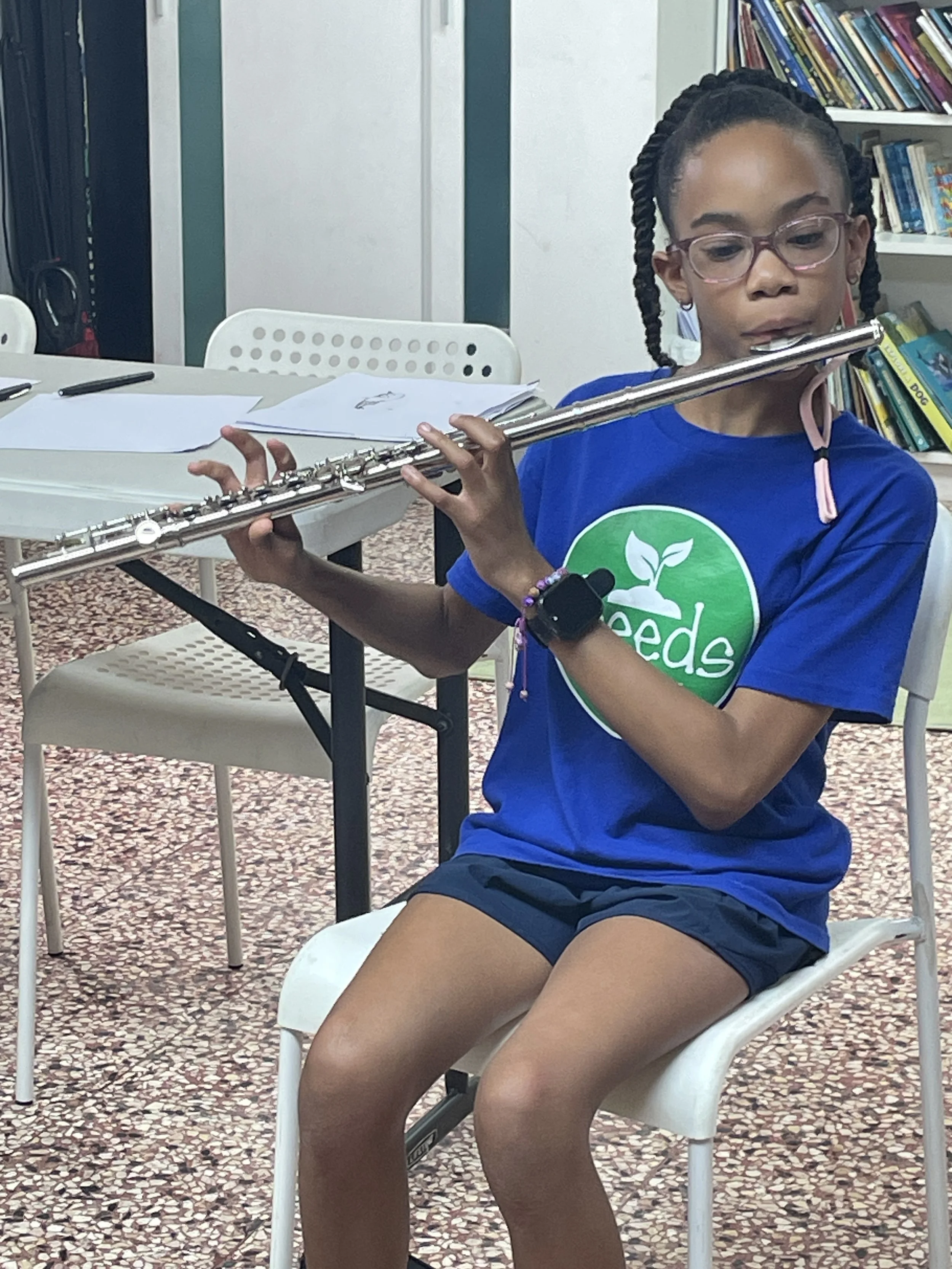
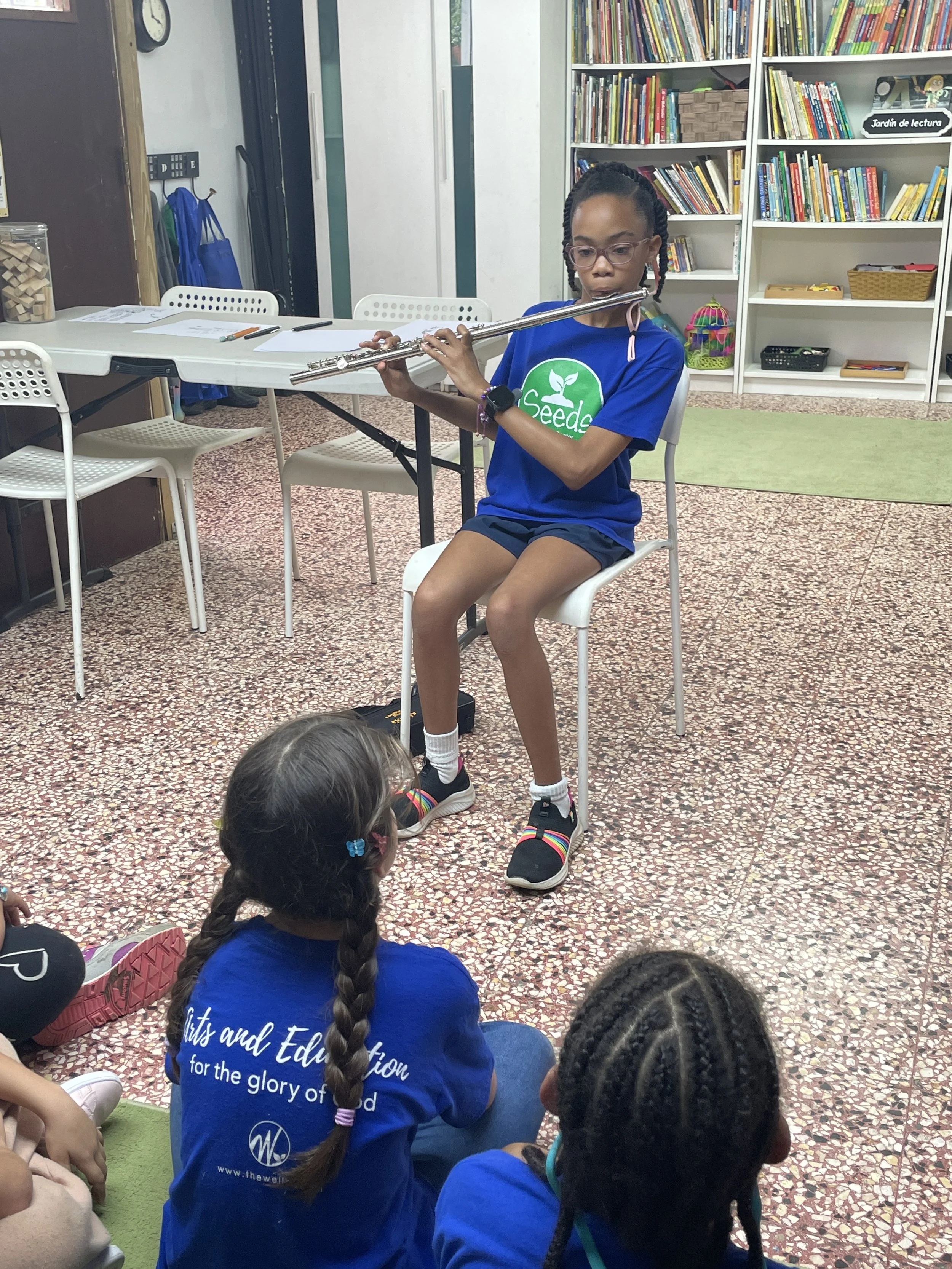
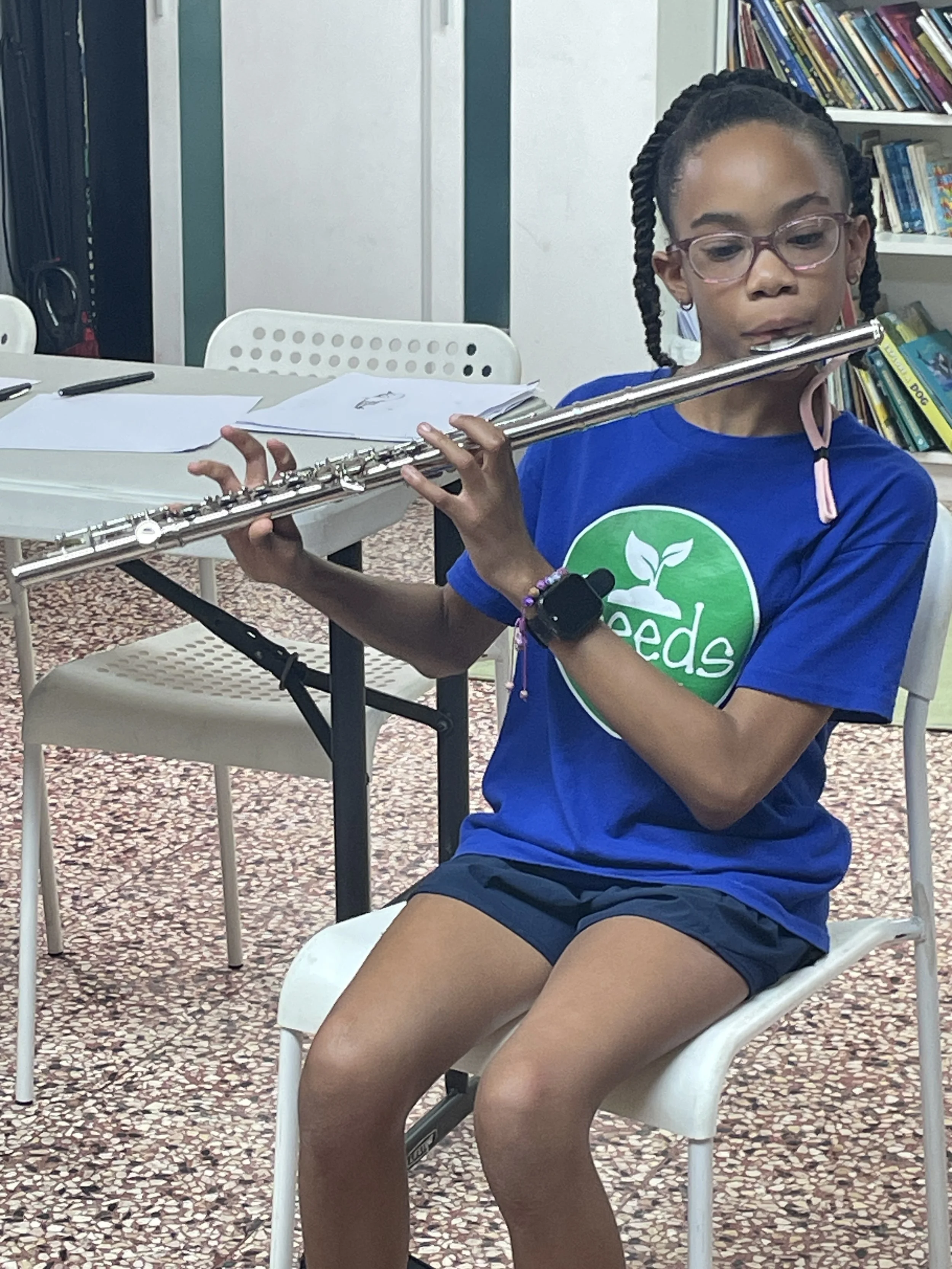
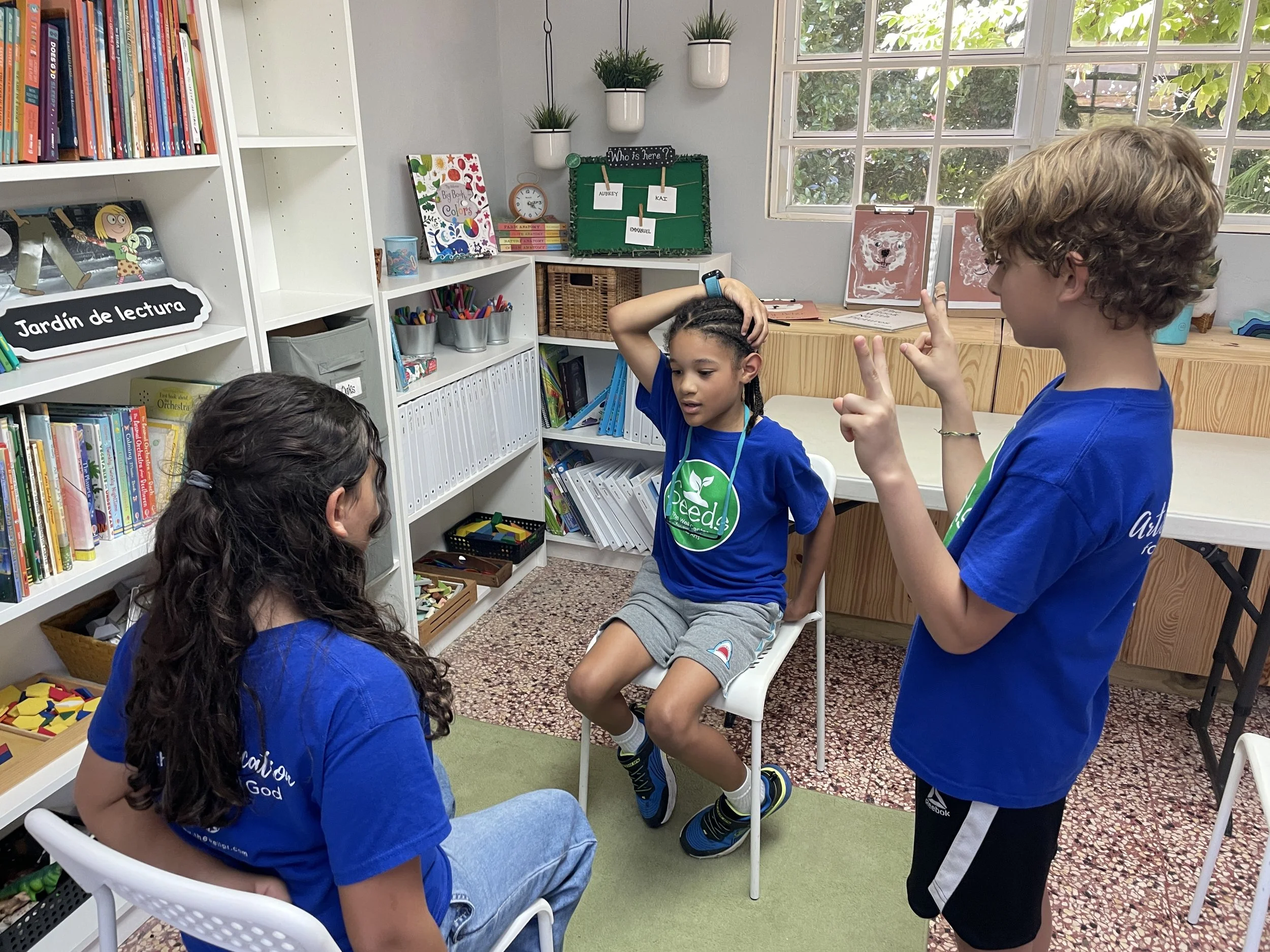
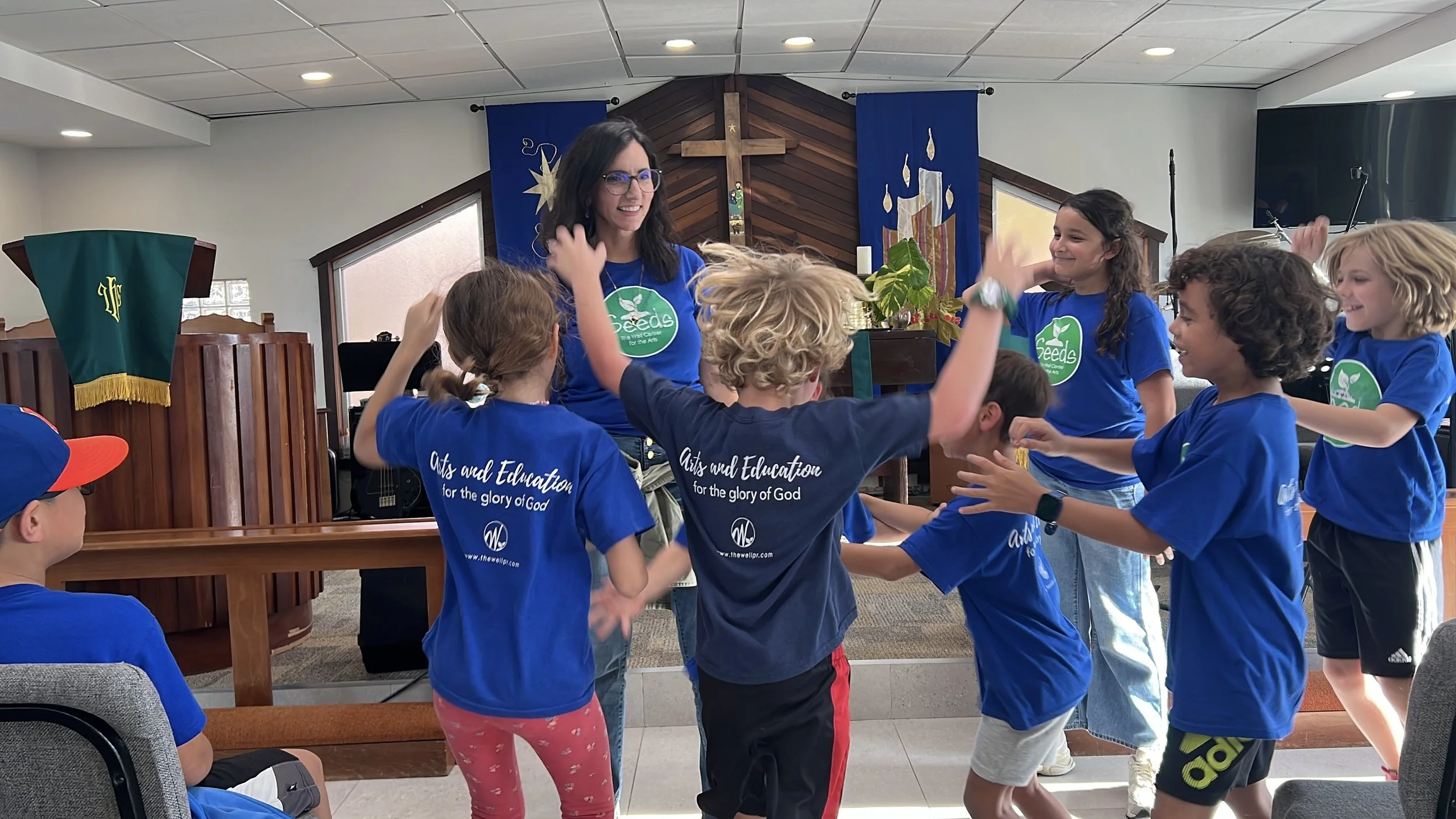
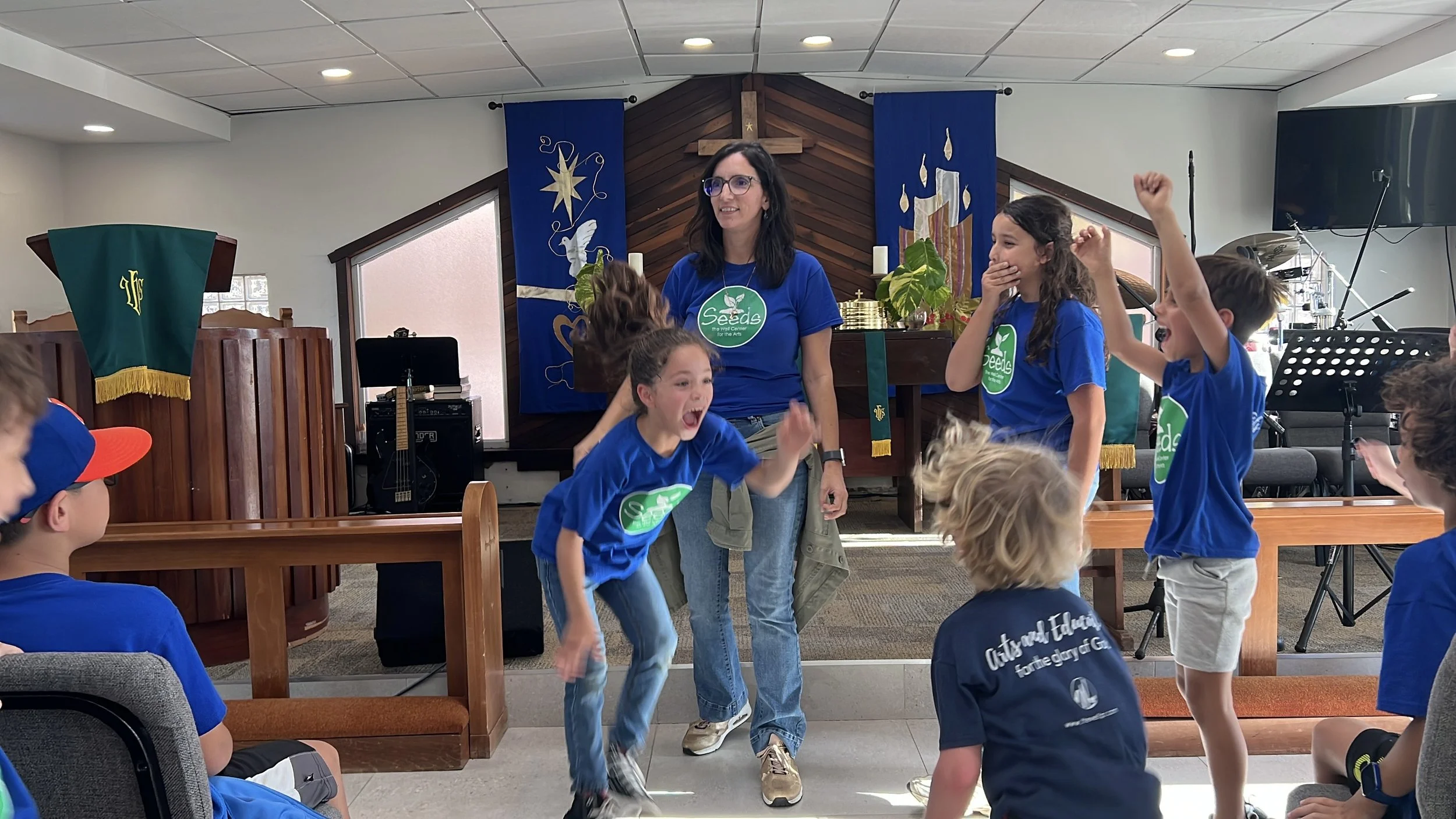
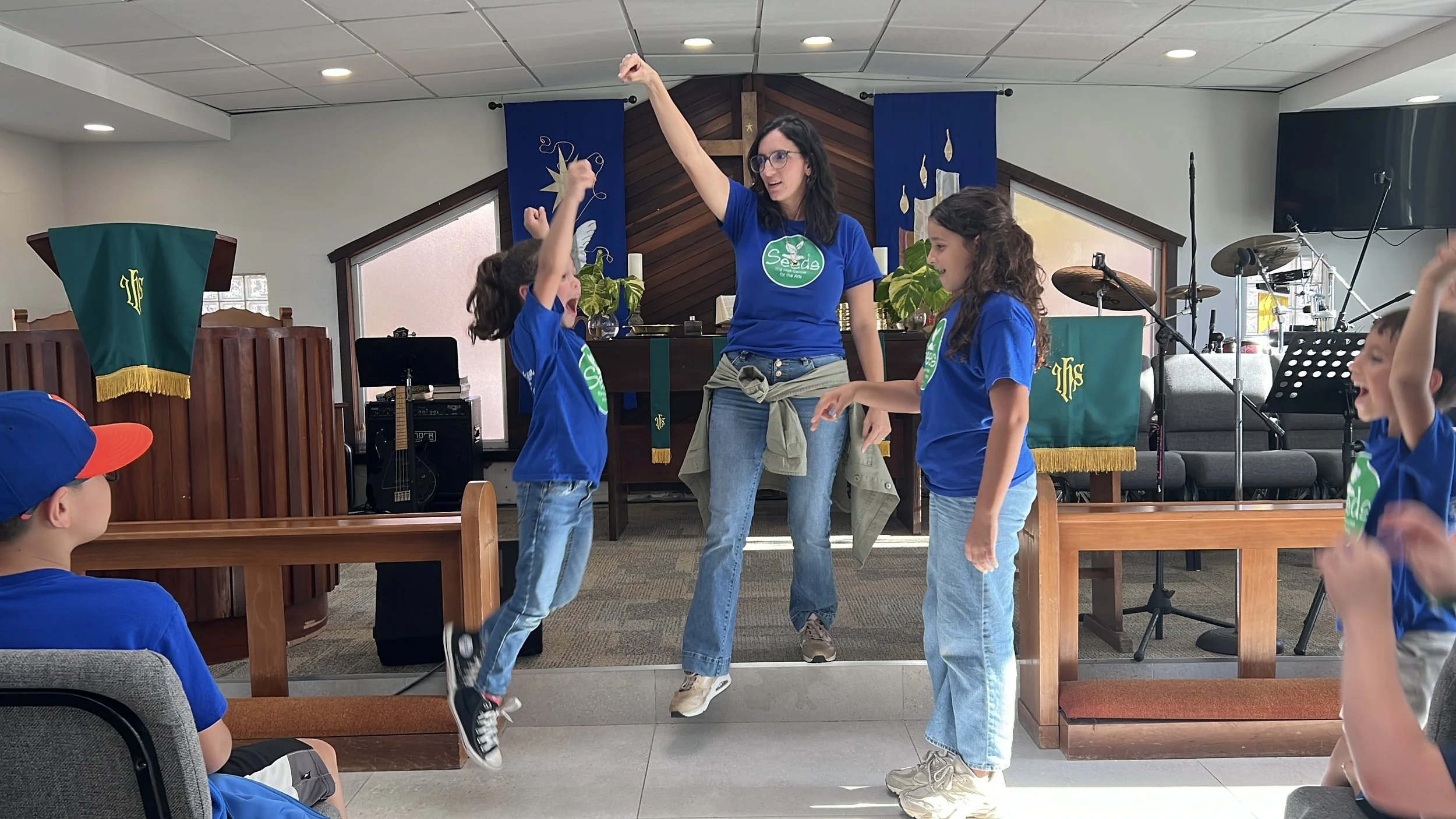
Before open studio this week, Arielle shared her flute with her classmates. After learning about the woodwind instruments this week, she was eager to share her flute with her class. On Friday we learned to play a game similar to Rock, Paper, Scissors that the children in ancient Rome used to play called micatio digitorium. They had to hide their hands with a partner and at the same time had to hold out a number from one to five as well as call out a number from one to five. The goal was to try to guess the number the other child was holding up. If you called out their number, you got a point and vice versa. Estela won the tournament in the younger group and Alicia won the tournament in the older group. Right before dismissal the two winners did a final round and Estela came out victorious.
HISTORY
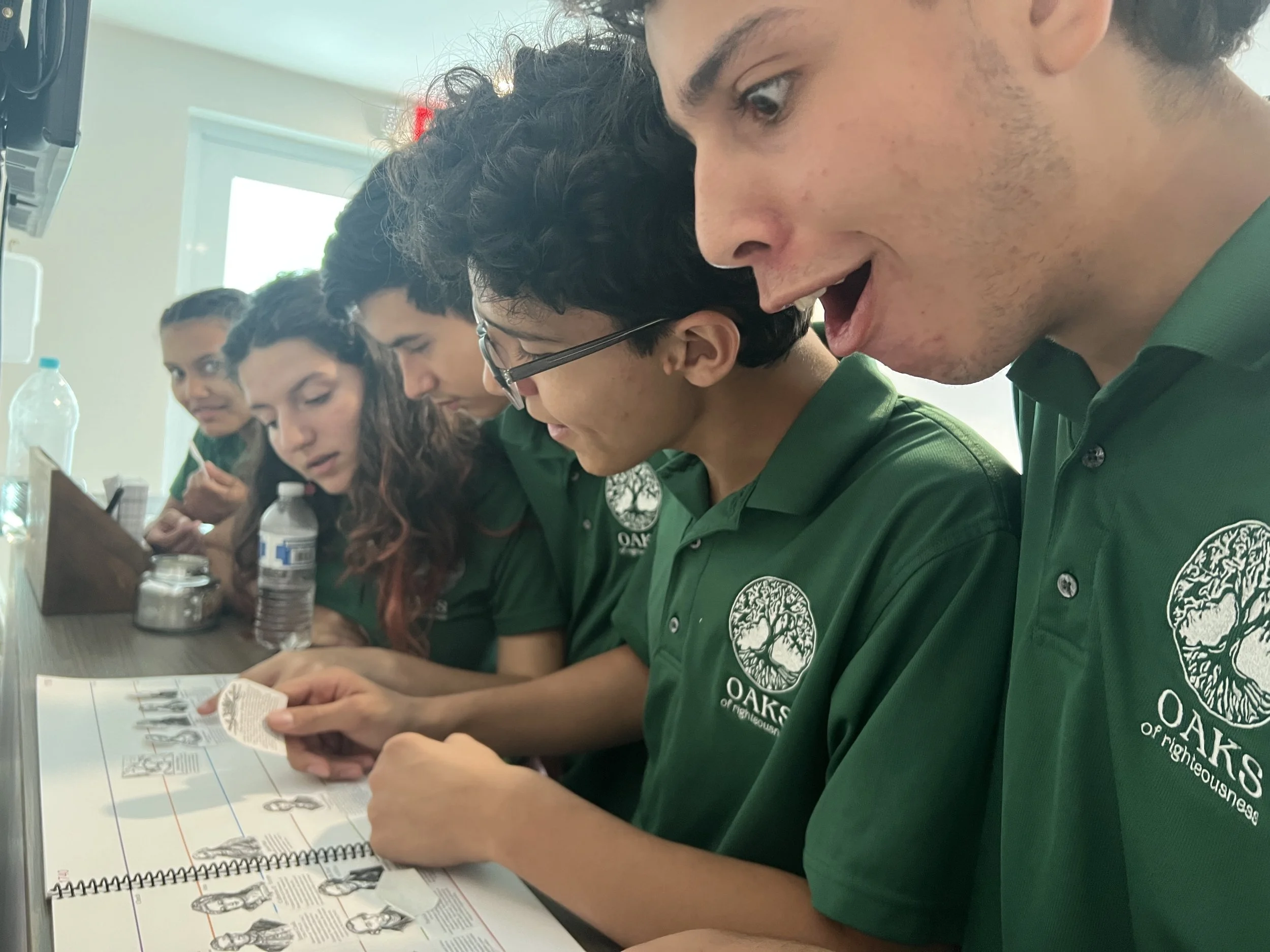
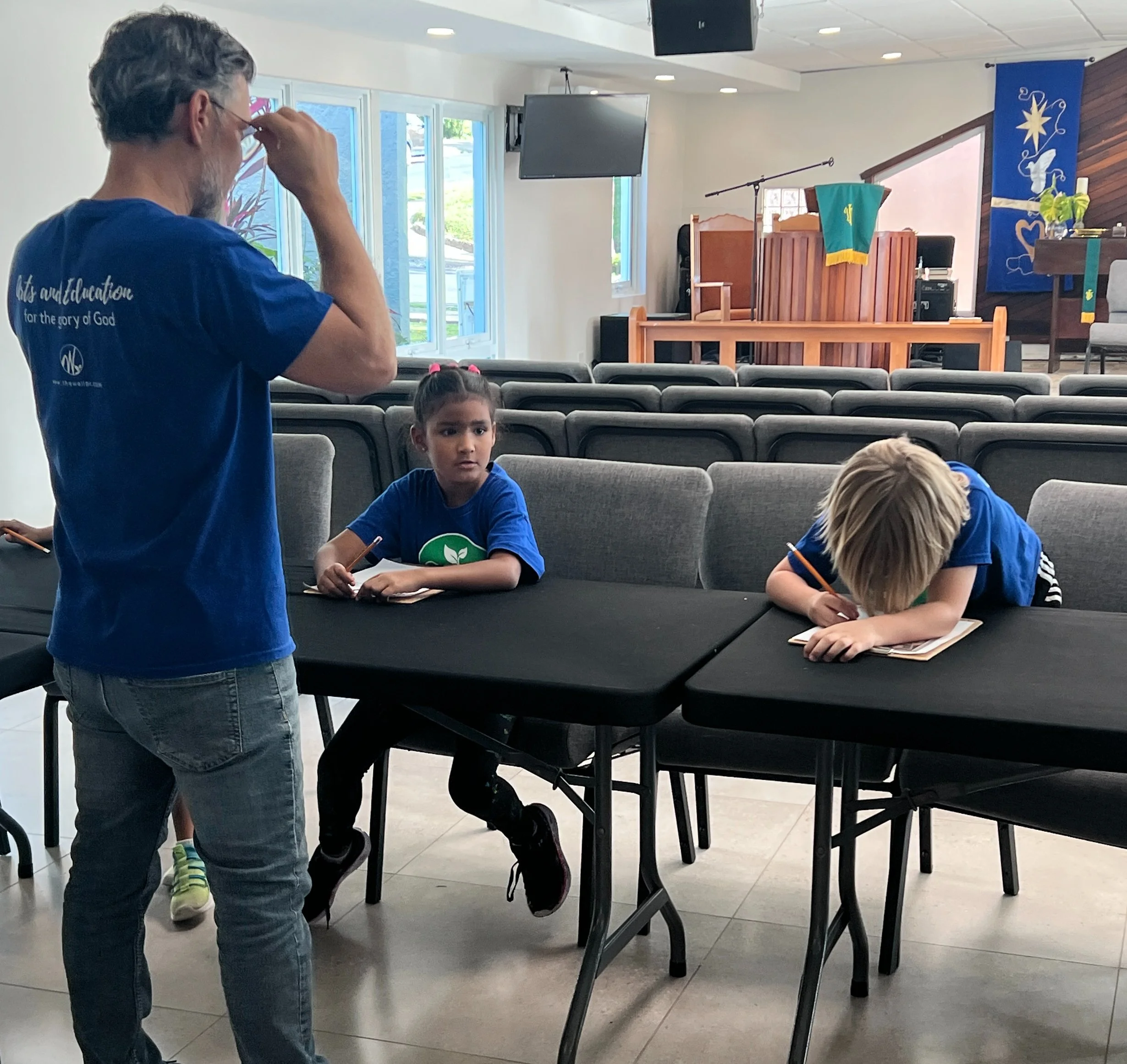
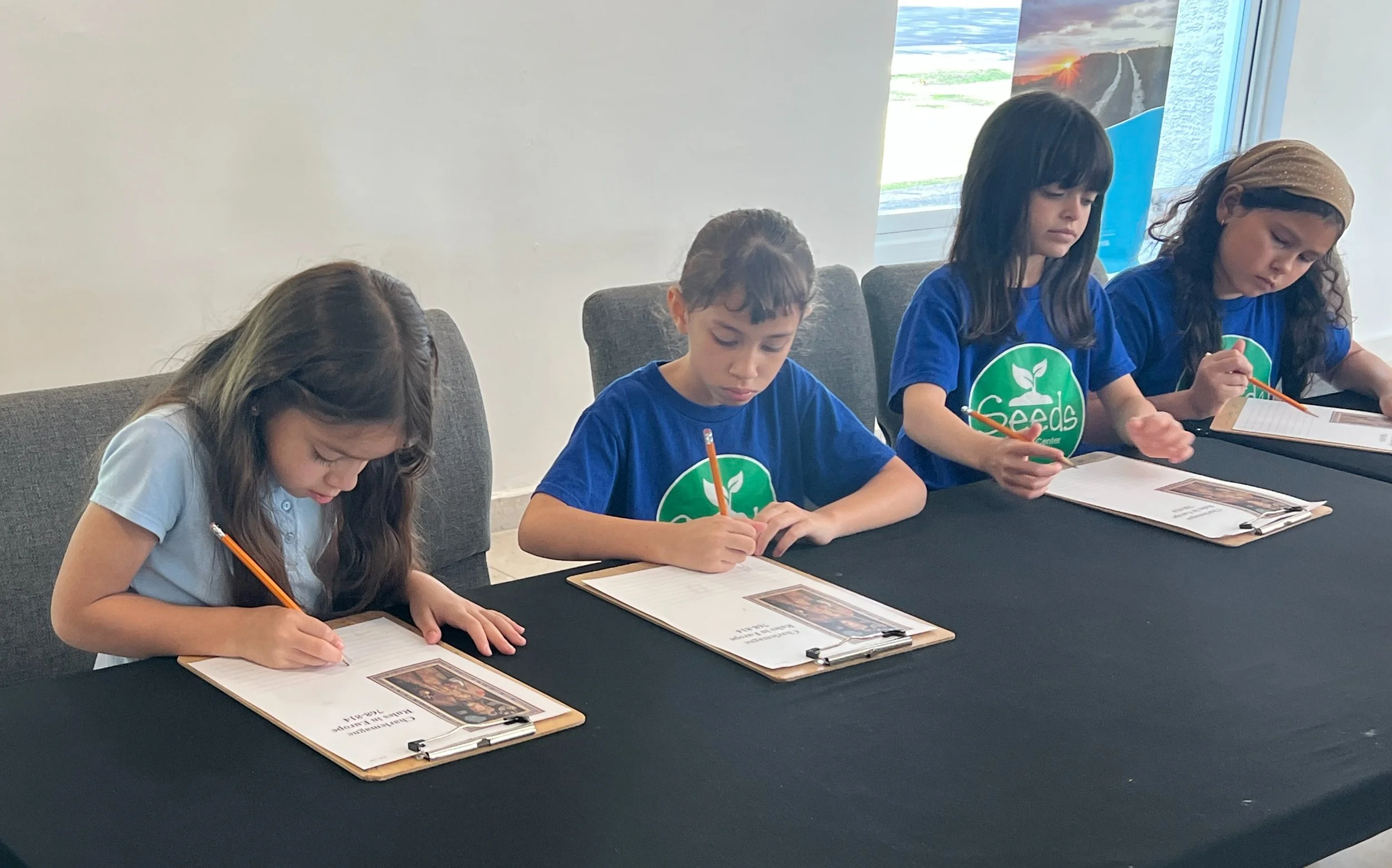
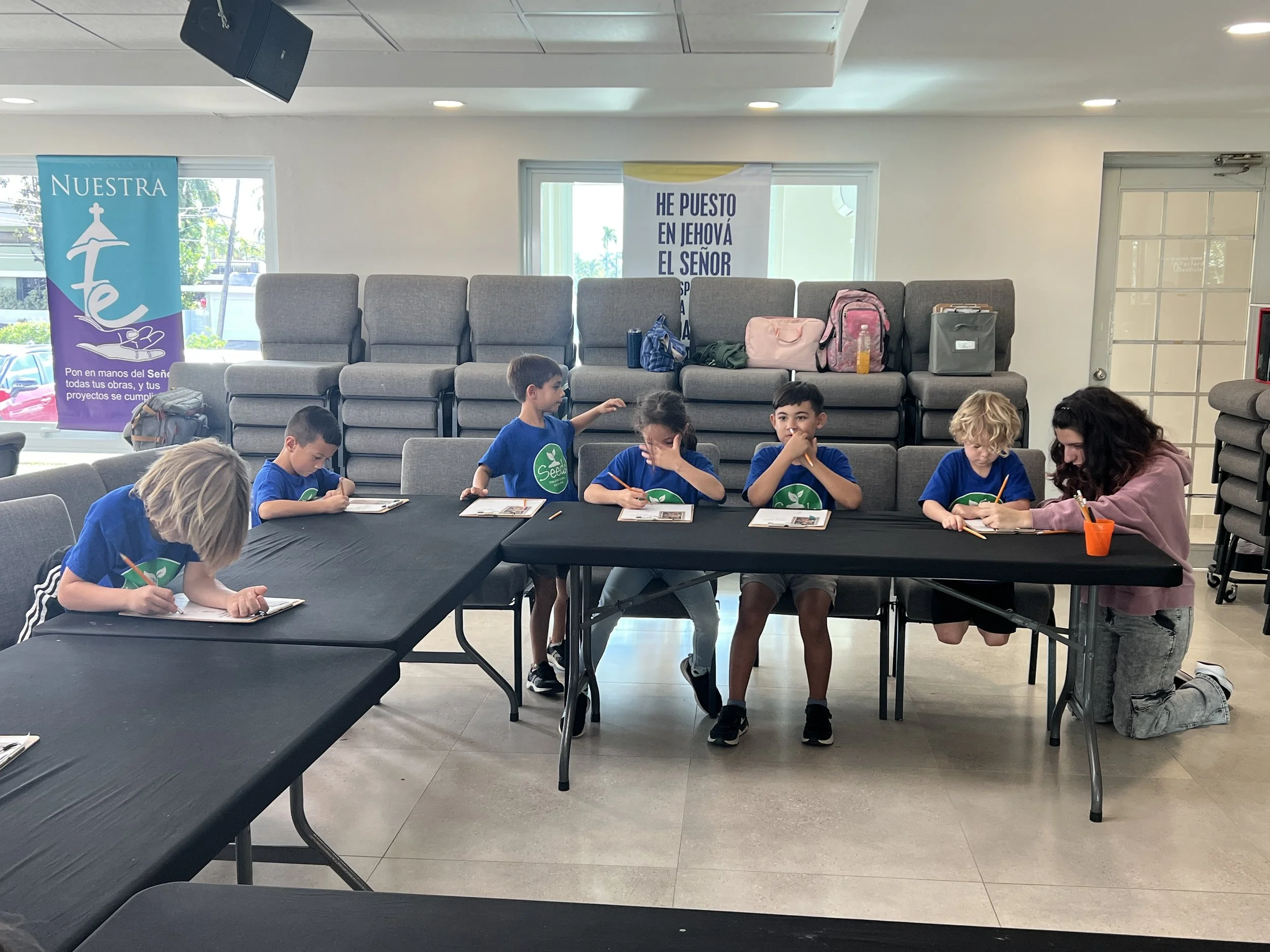
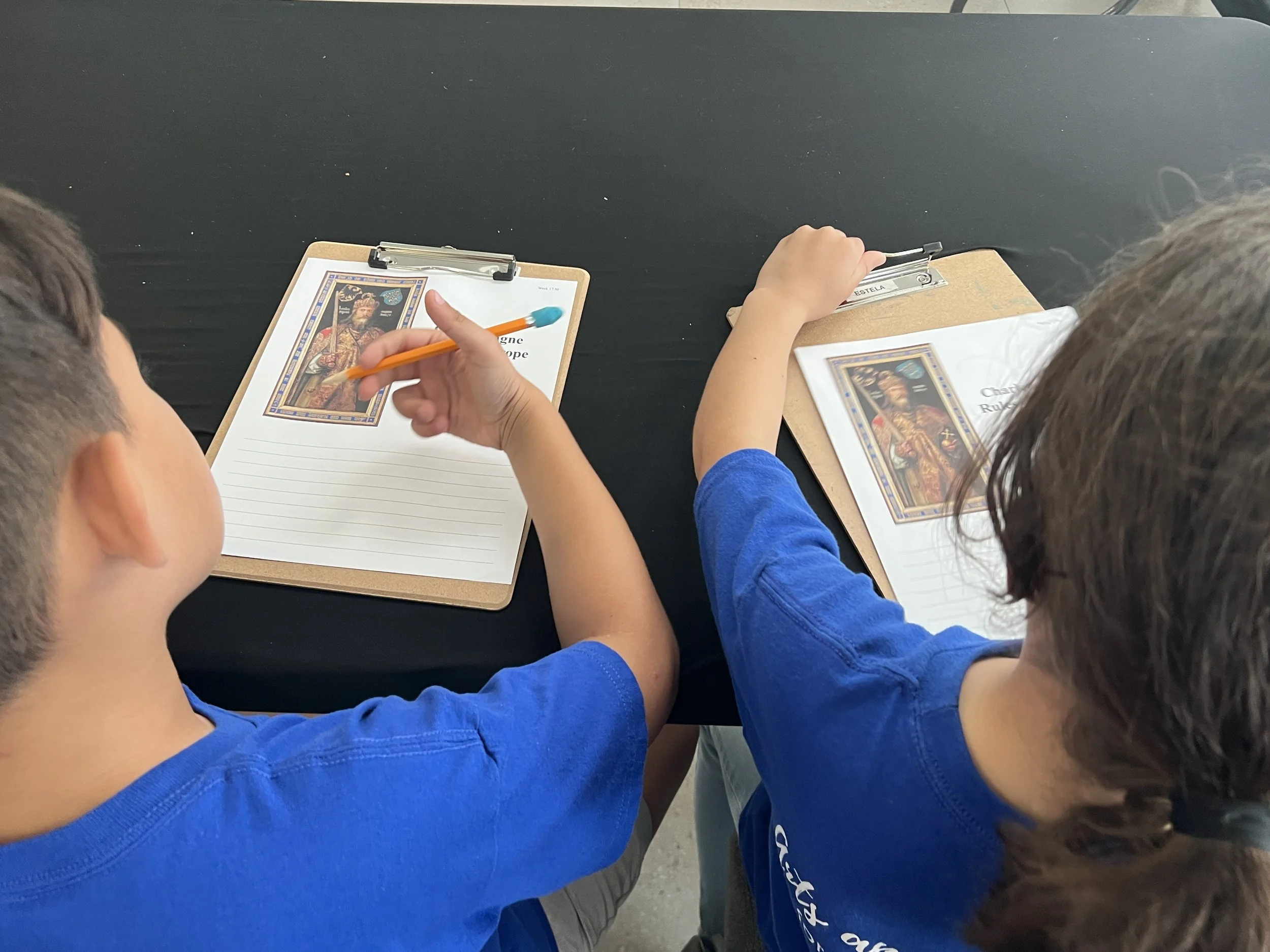
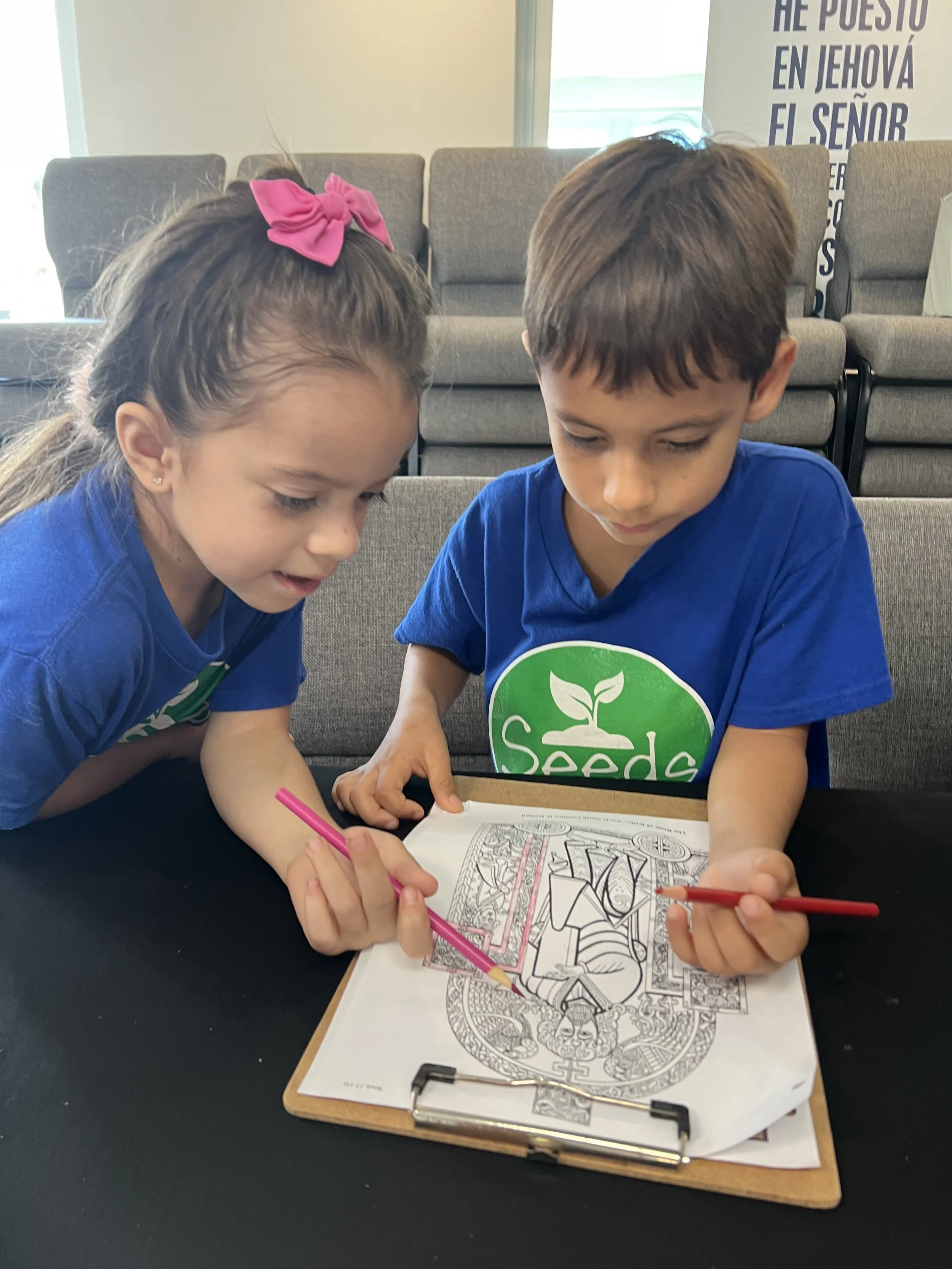
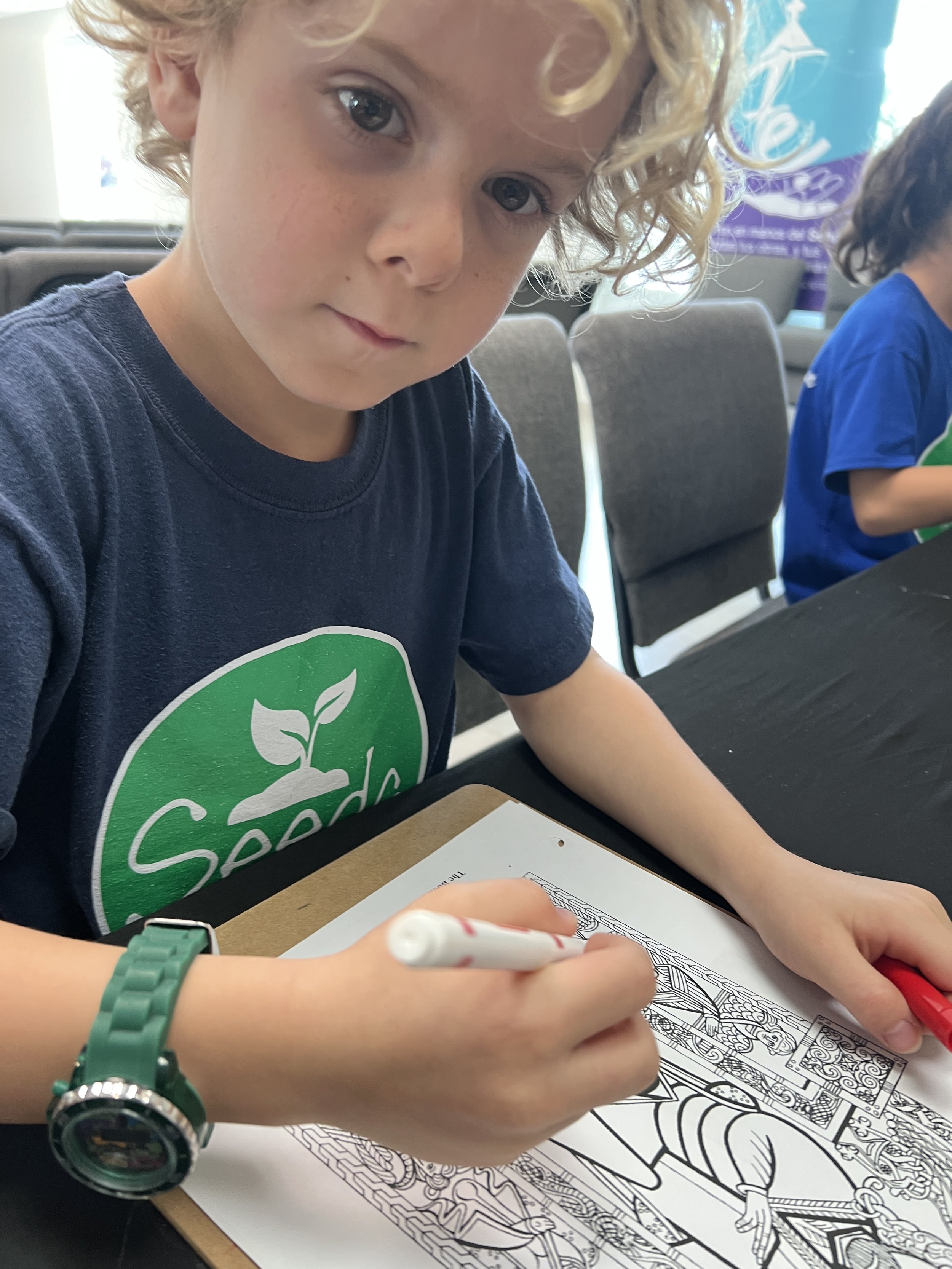
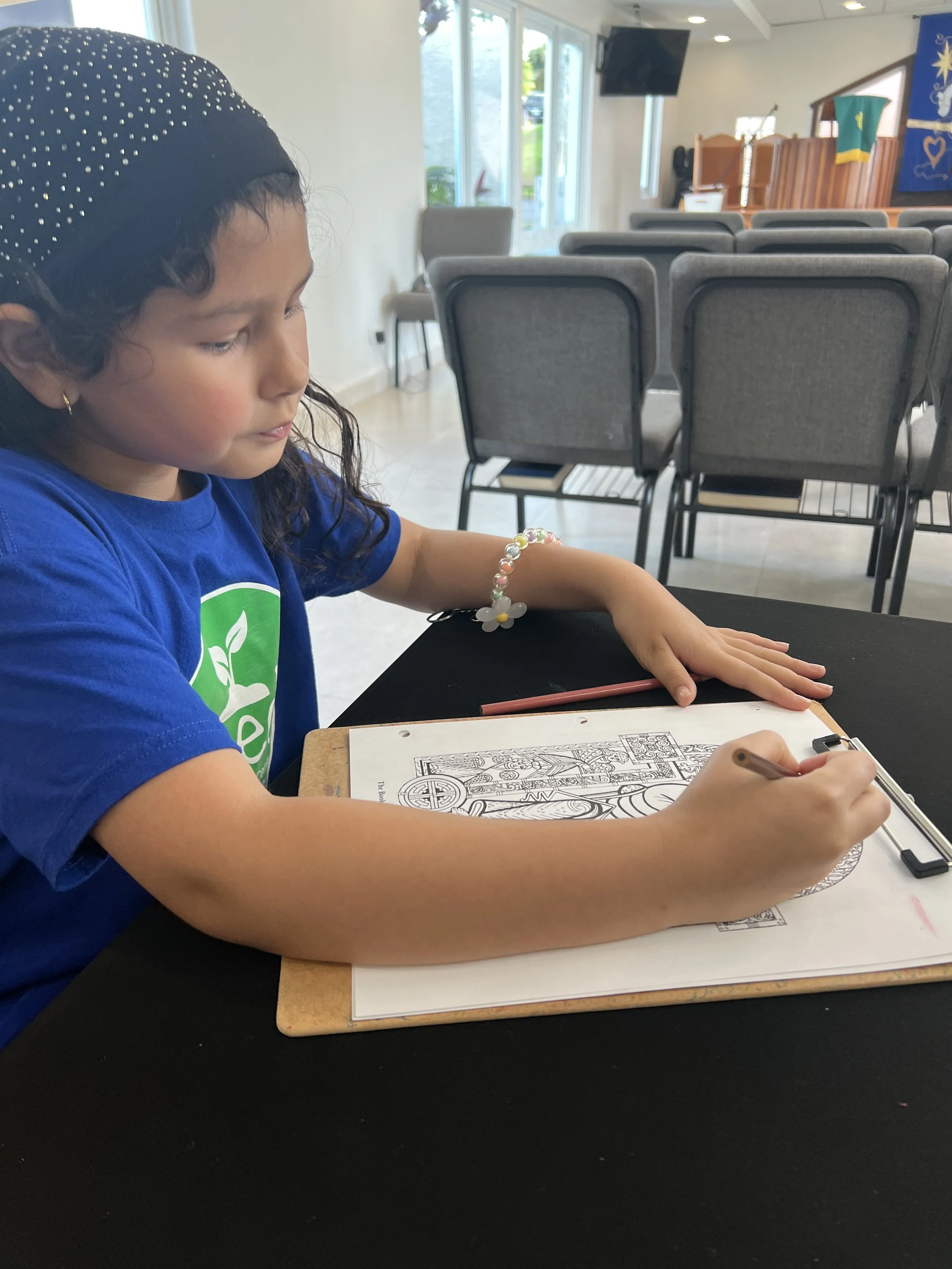
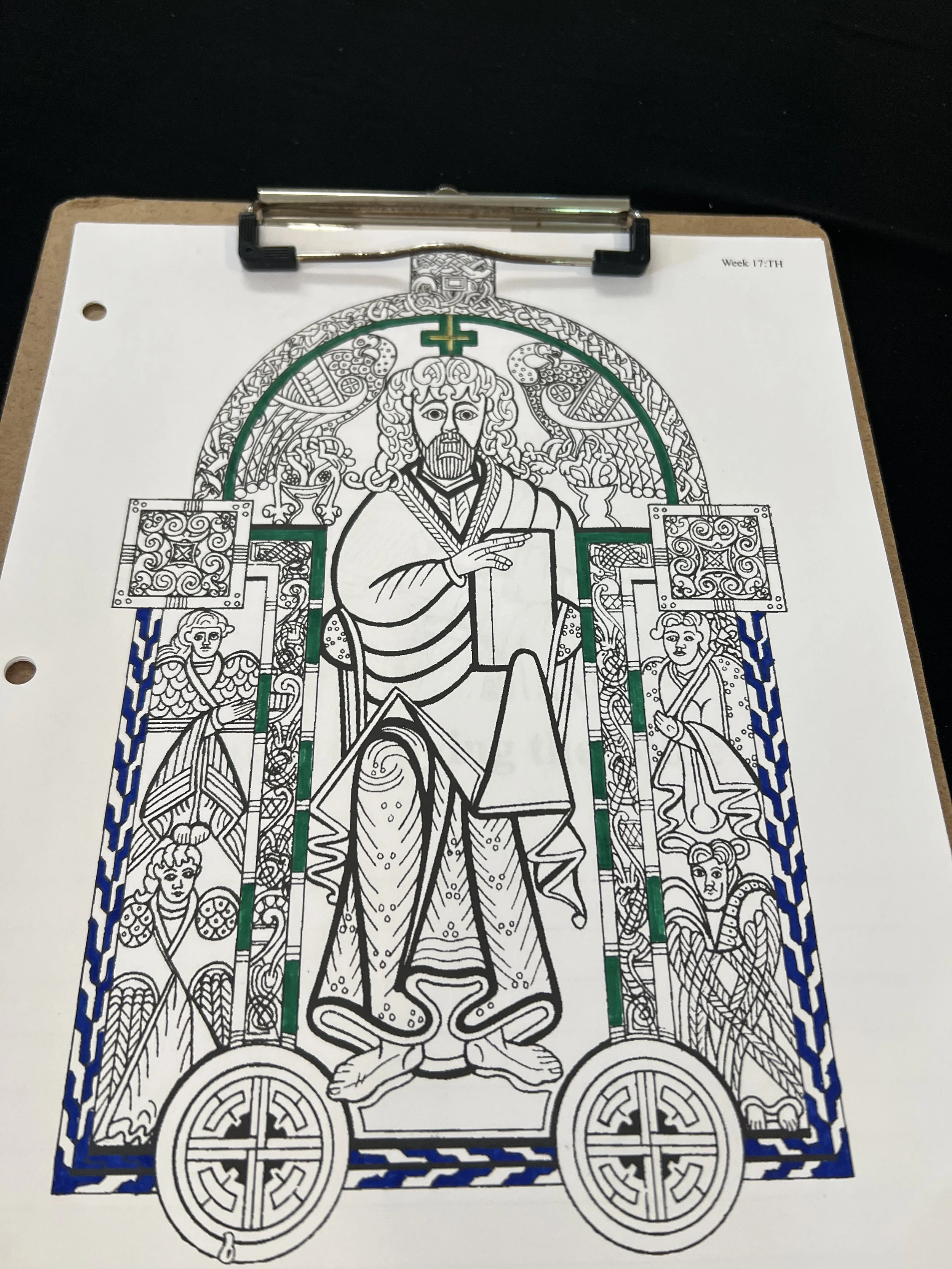
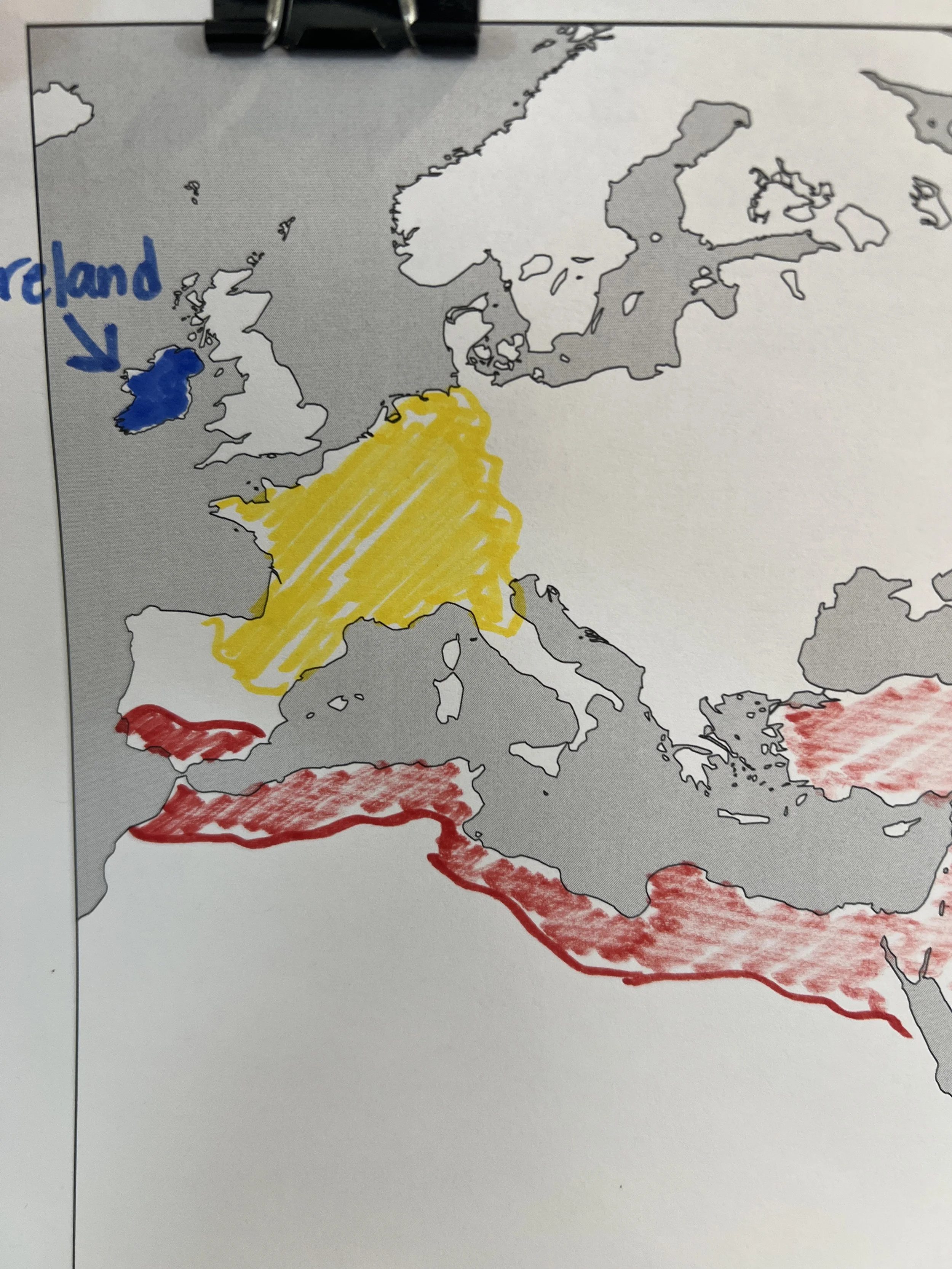
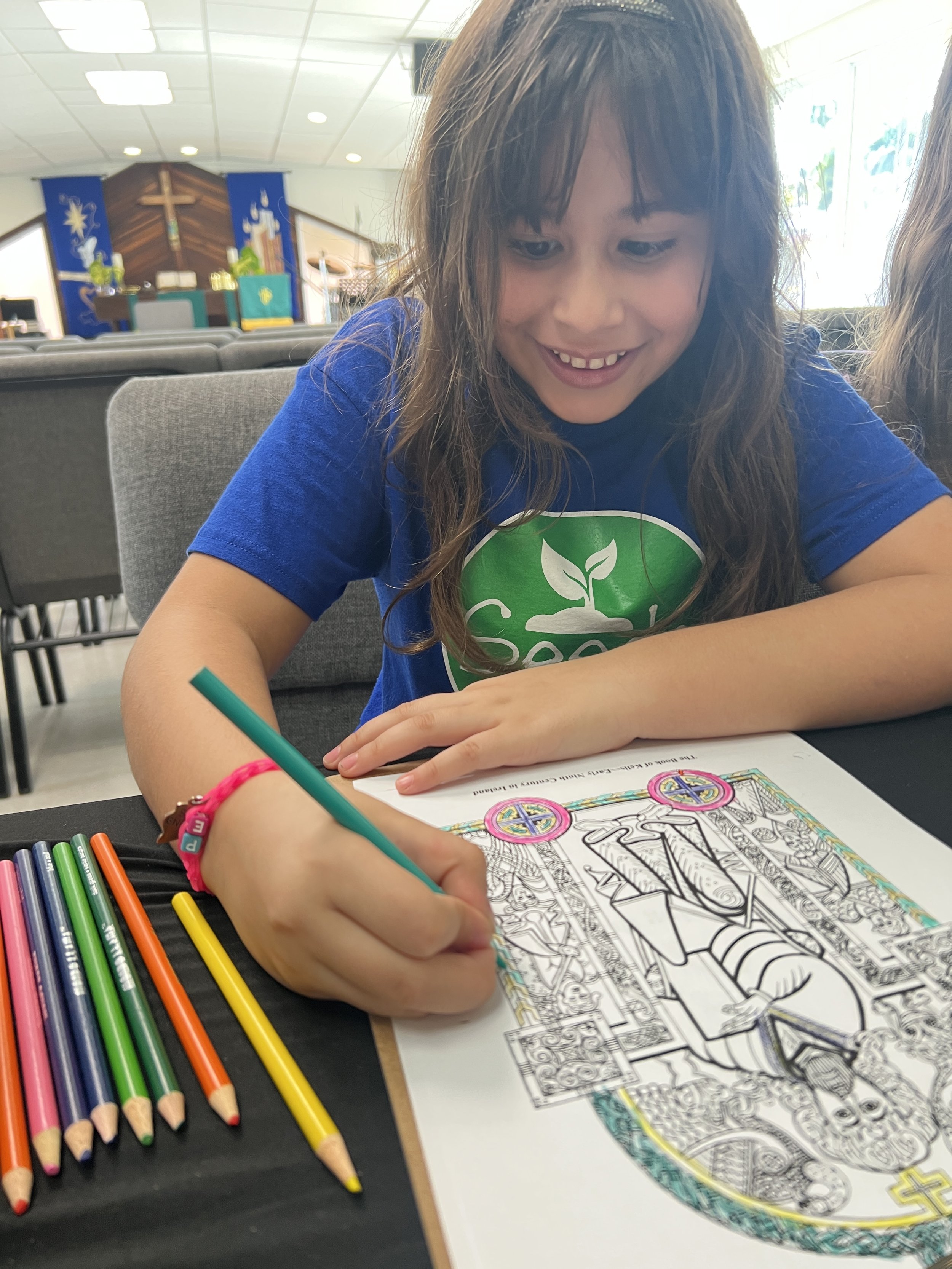
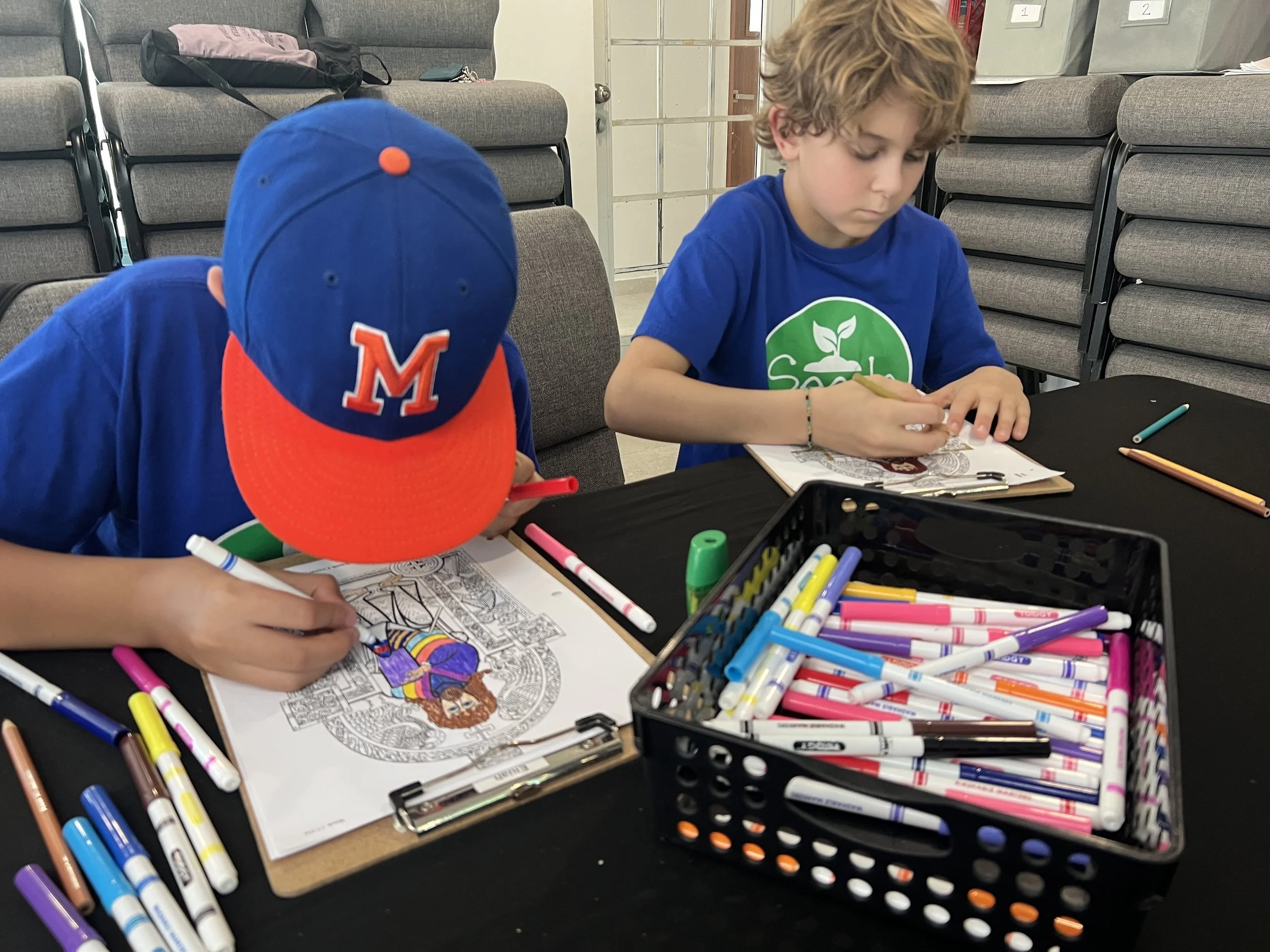
We moved north this week in our study of the middle ages, first stopping in the kingdom of the Franks, learning about Pepin the Short and his son Charlemagne. Continuing up to the island of Ireland, we learned about the Book of Kells, a beautiful manuscript from this time period of the four gospels. The students appreciated the beautiful handiwork of the pages and began to decorate their own.
SUGGESTED READINGS
World History from Ancient to Modern Times.
pgs. 122-123
Seeds Memory Verse Song
“If I speak in the tongues of men and of angels, but have not love, I am a noisy gong or a clanging cymbal (Clang, clang, clang). If I have great power and understand, all mysteries, and all things, and if I have the faith to remove mountains, but have not love...I am nothing!”
The Oaks Program
BIBLE
We continued reading our chapter in More than a Carpenter and discussed how the transformation of the Apostle Paul is one of the greatest evidences we have for the veracity of the Gospel accounts. The students considered how unlikely it would have been for Paul to so easily give up his religious training unless he really met the resurrected Christ–as he describes so often. We also continued our own memory work in 1 Corinthians 13:1-3.
SCIENCE
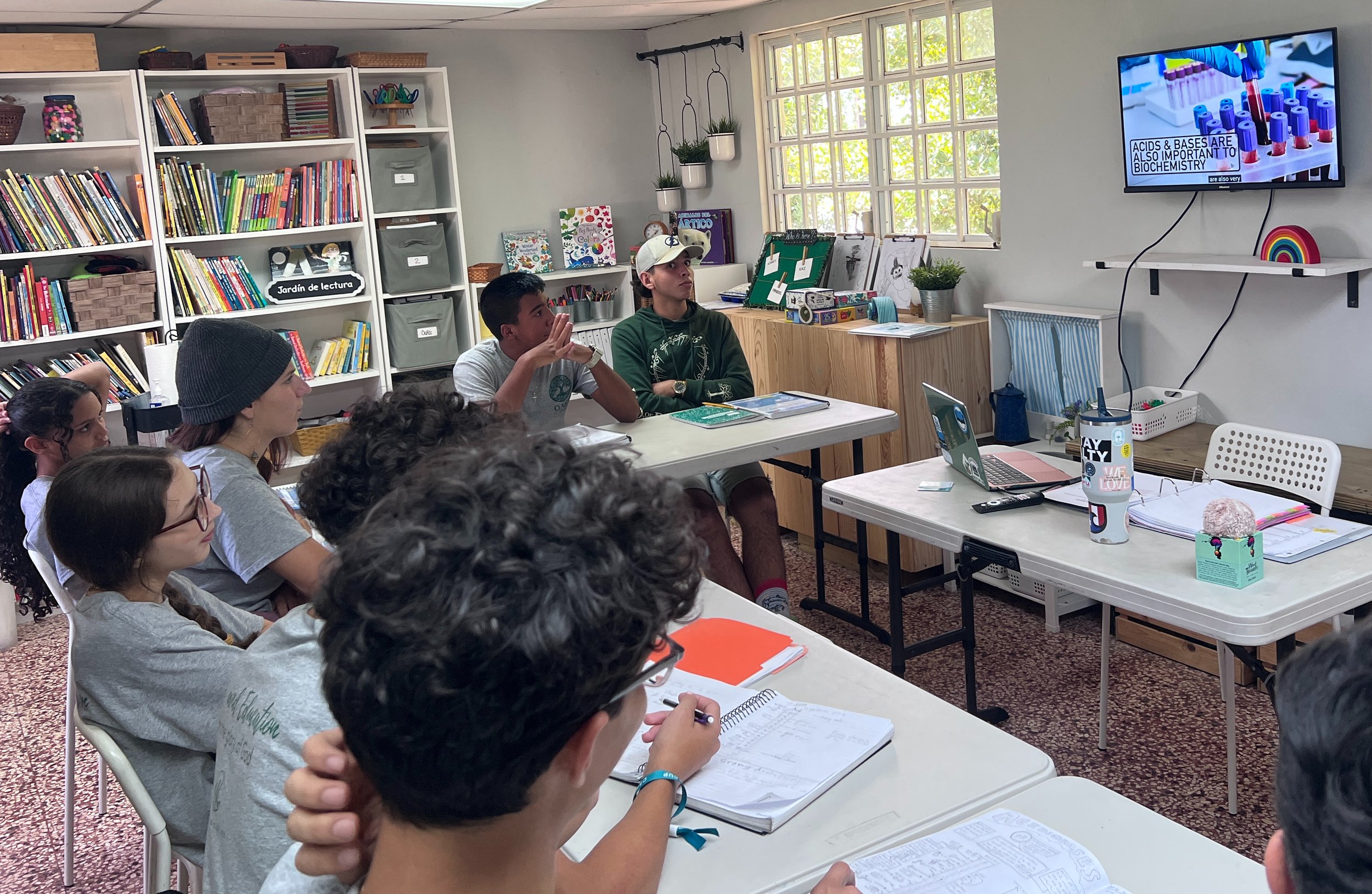
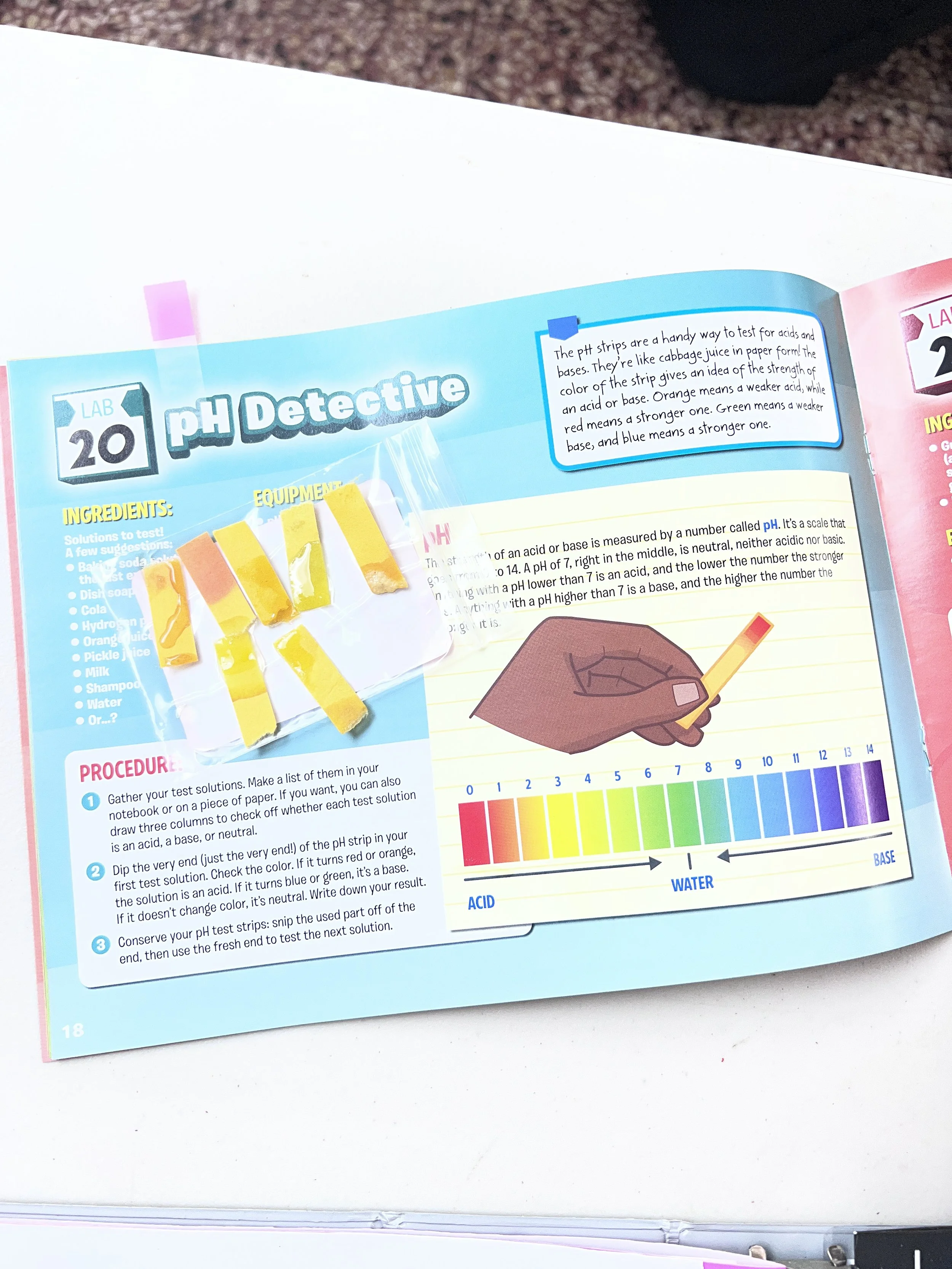
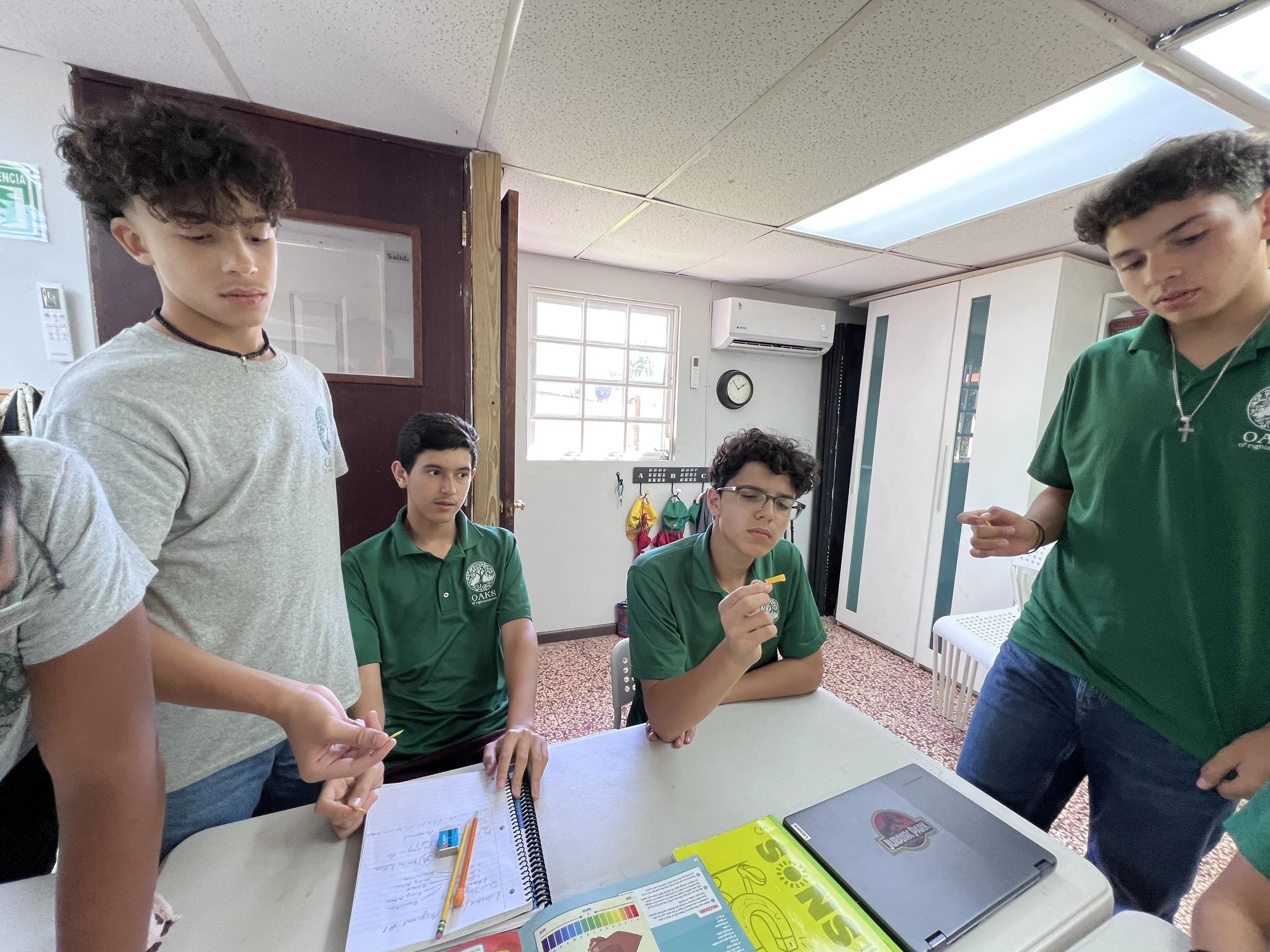
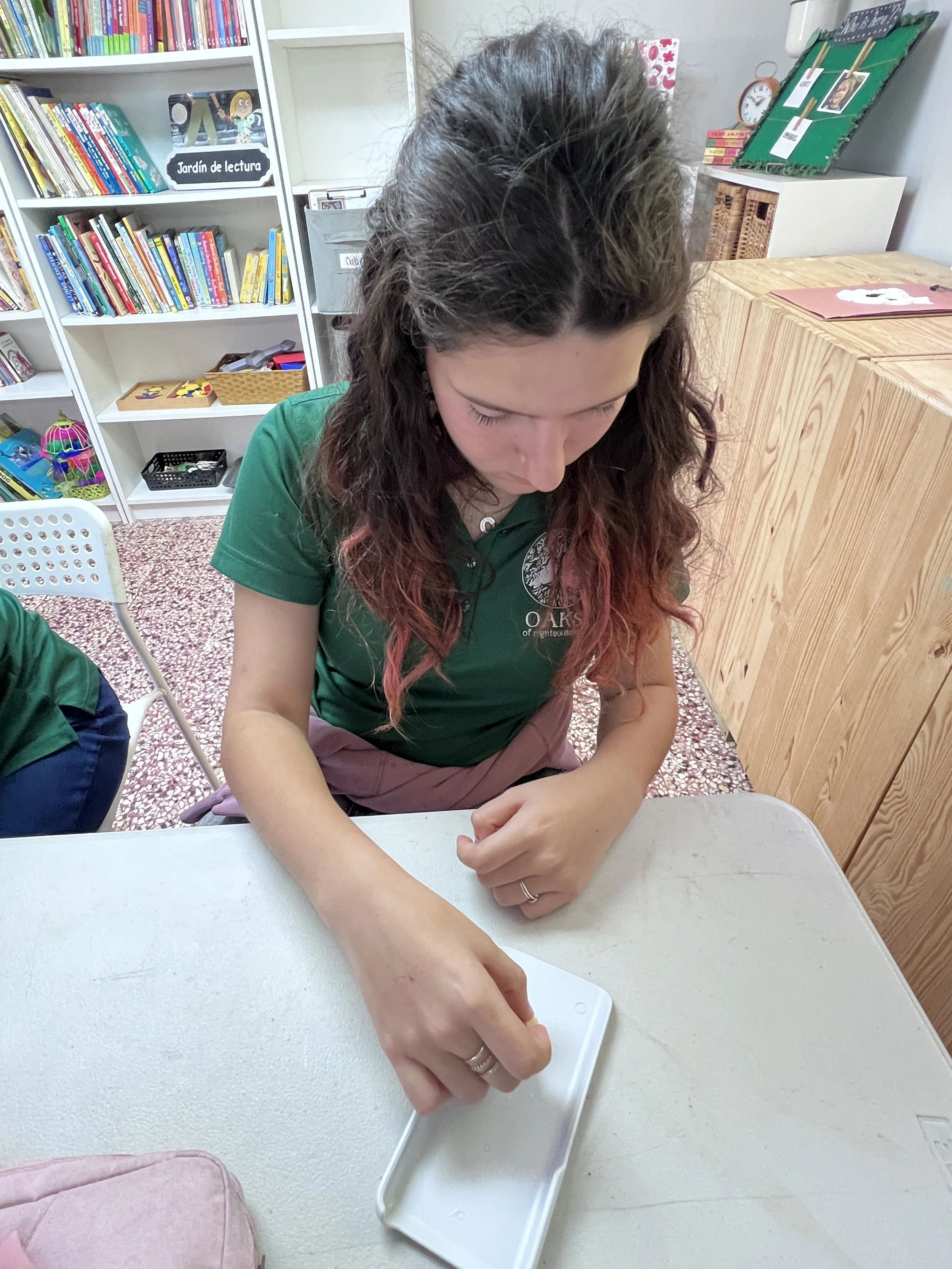
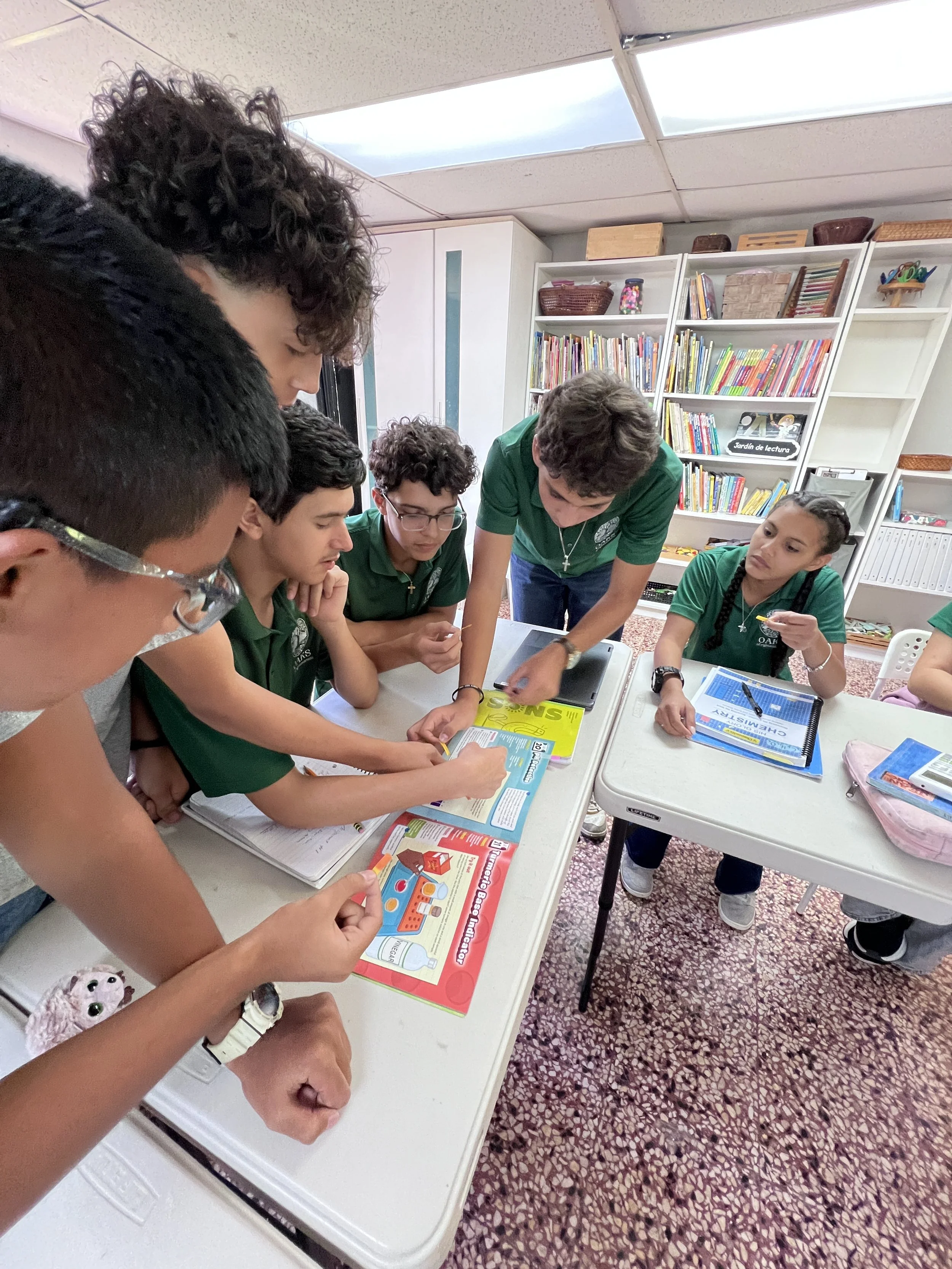
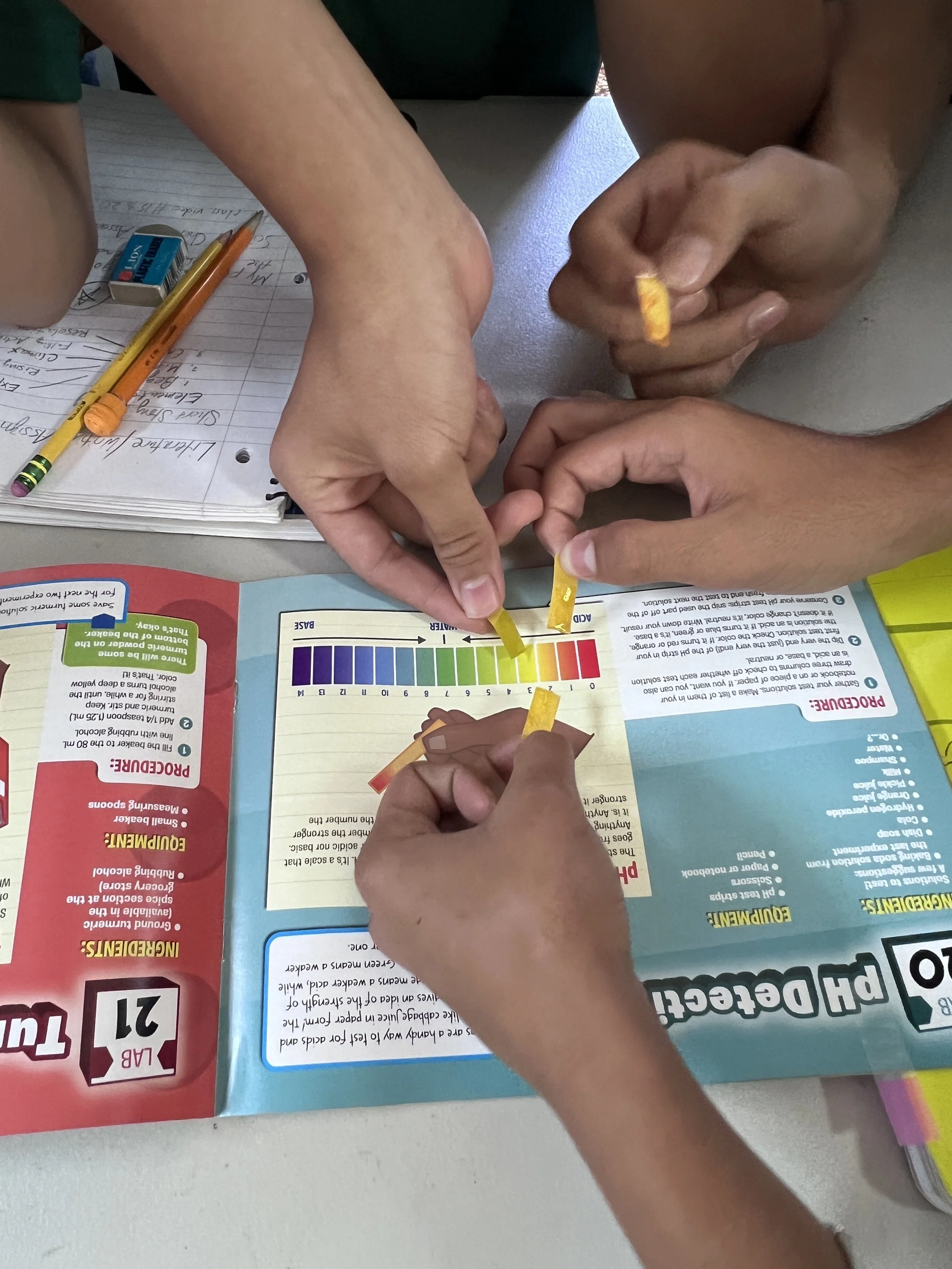
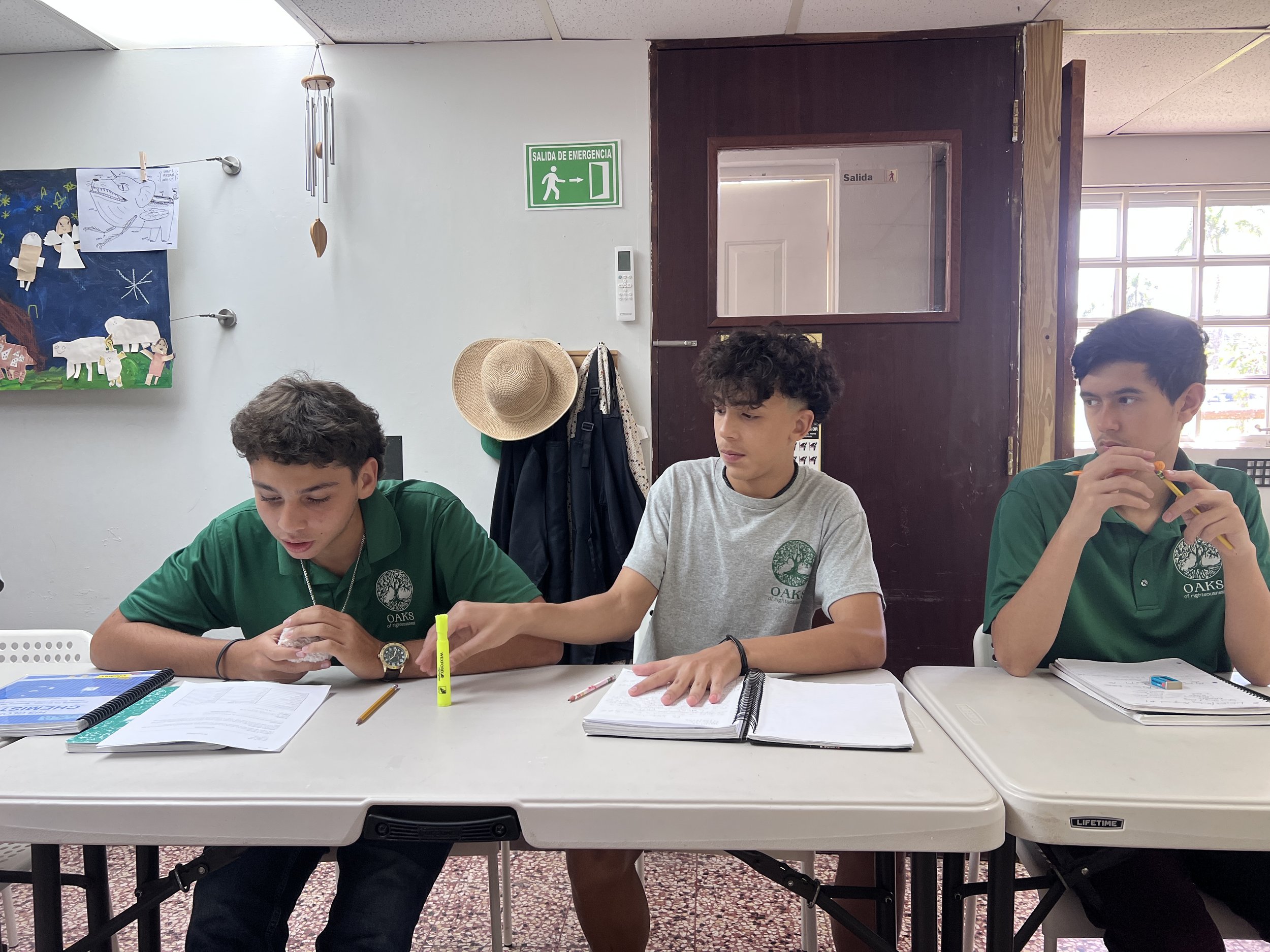
This week in Chemistry, the Oaks students learned all about acids, bases, and the pH scale. Through their lecture, virtual lab, and in-class pH activity, the students are now very familiar with whether substances are an acid, a base, or neutral (which pure water is the only substance that falls into this category). In their virtual lab, they tested the pH levels of acidic substances such as lemon juice and stomach acid and alkaline (or basic) substances such as bleach and human blood. In our in-class activity, the only alkaline substance that reacted well with the pH strip was laundry detergent while the acids like apple cider vinegar and kombucha tea reacted very noticeably with the pH strip.
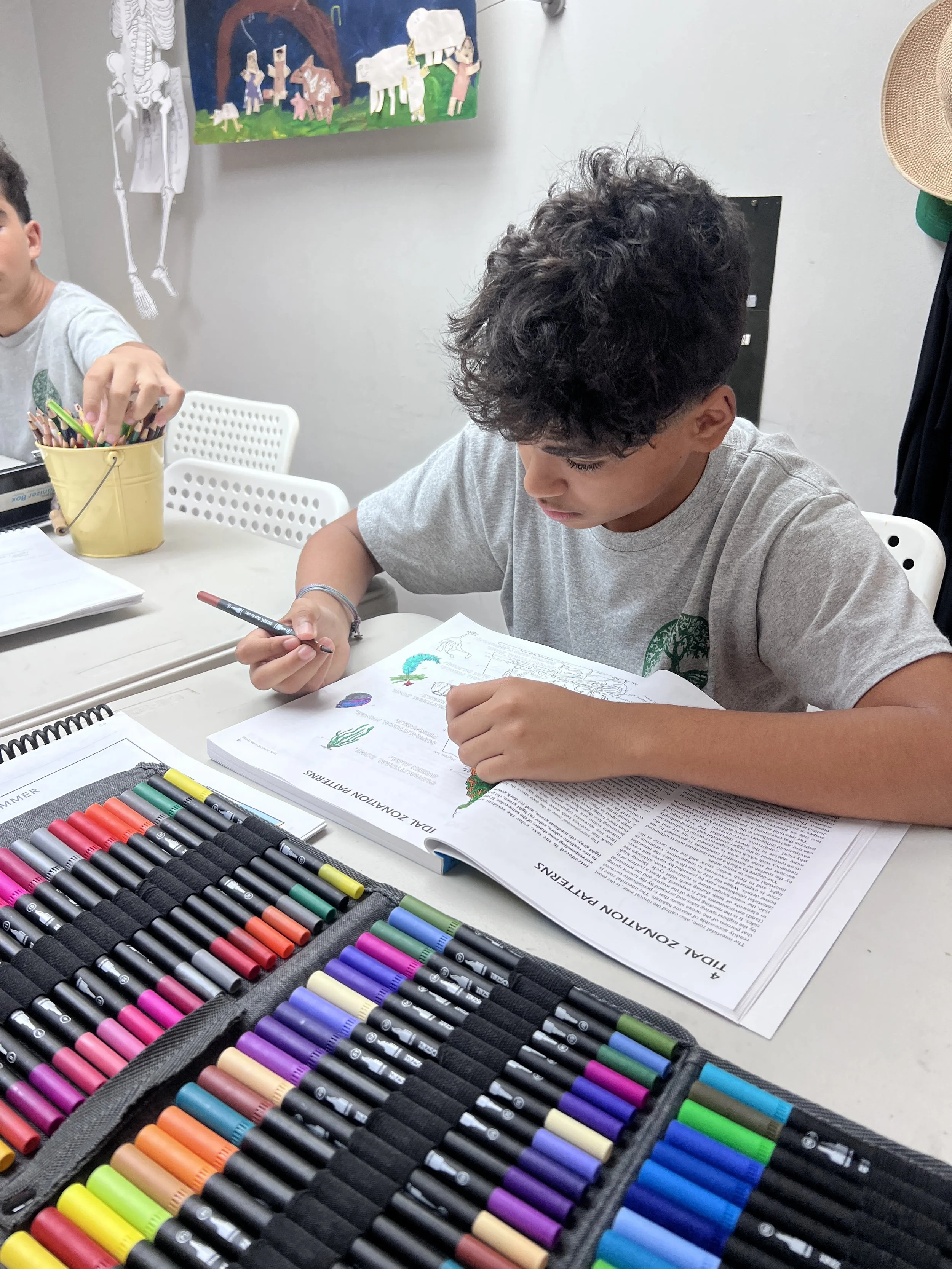
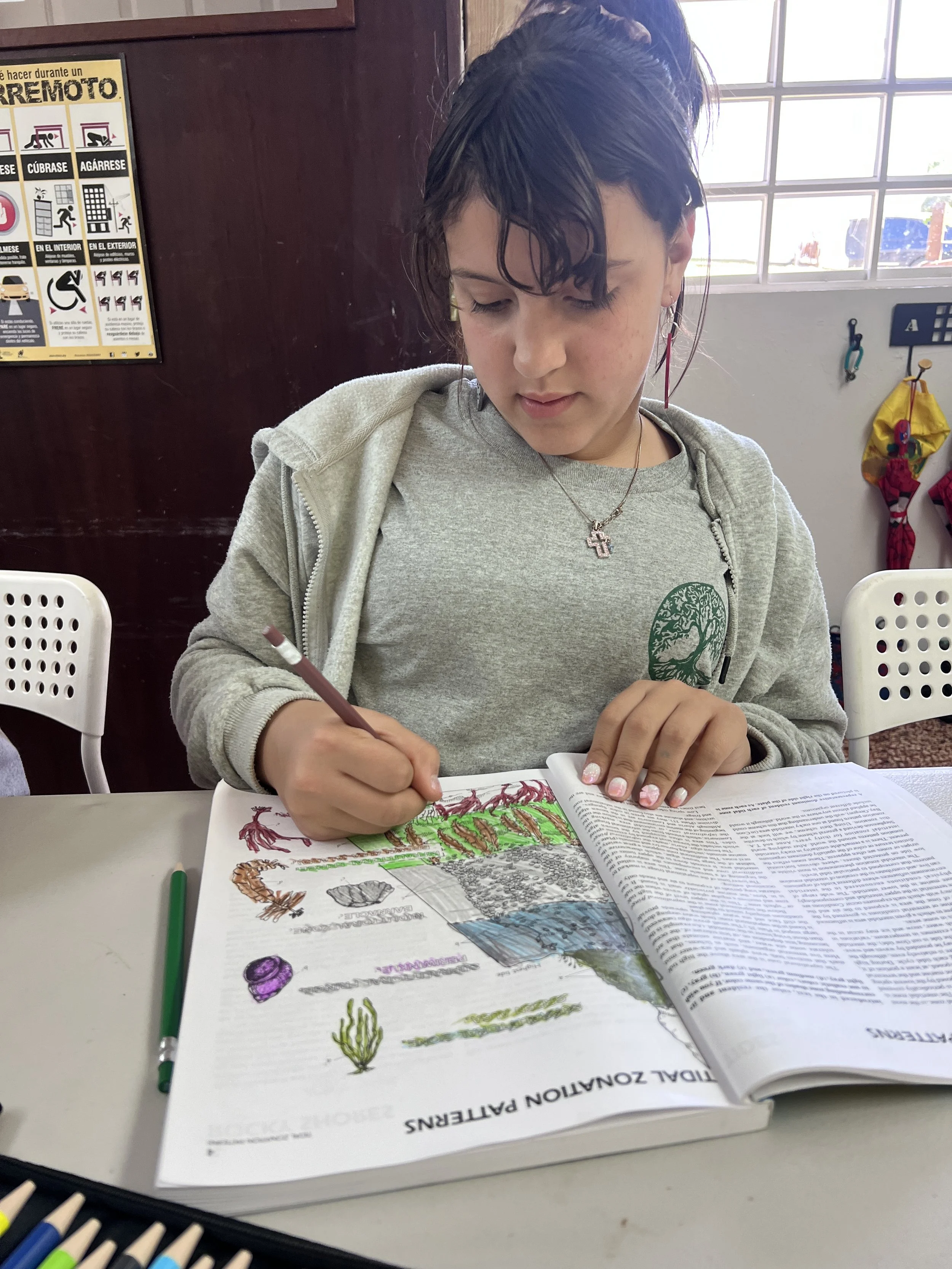
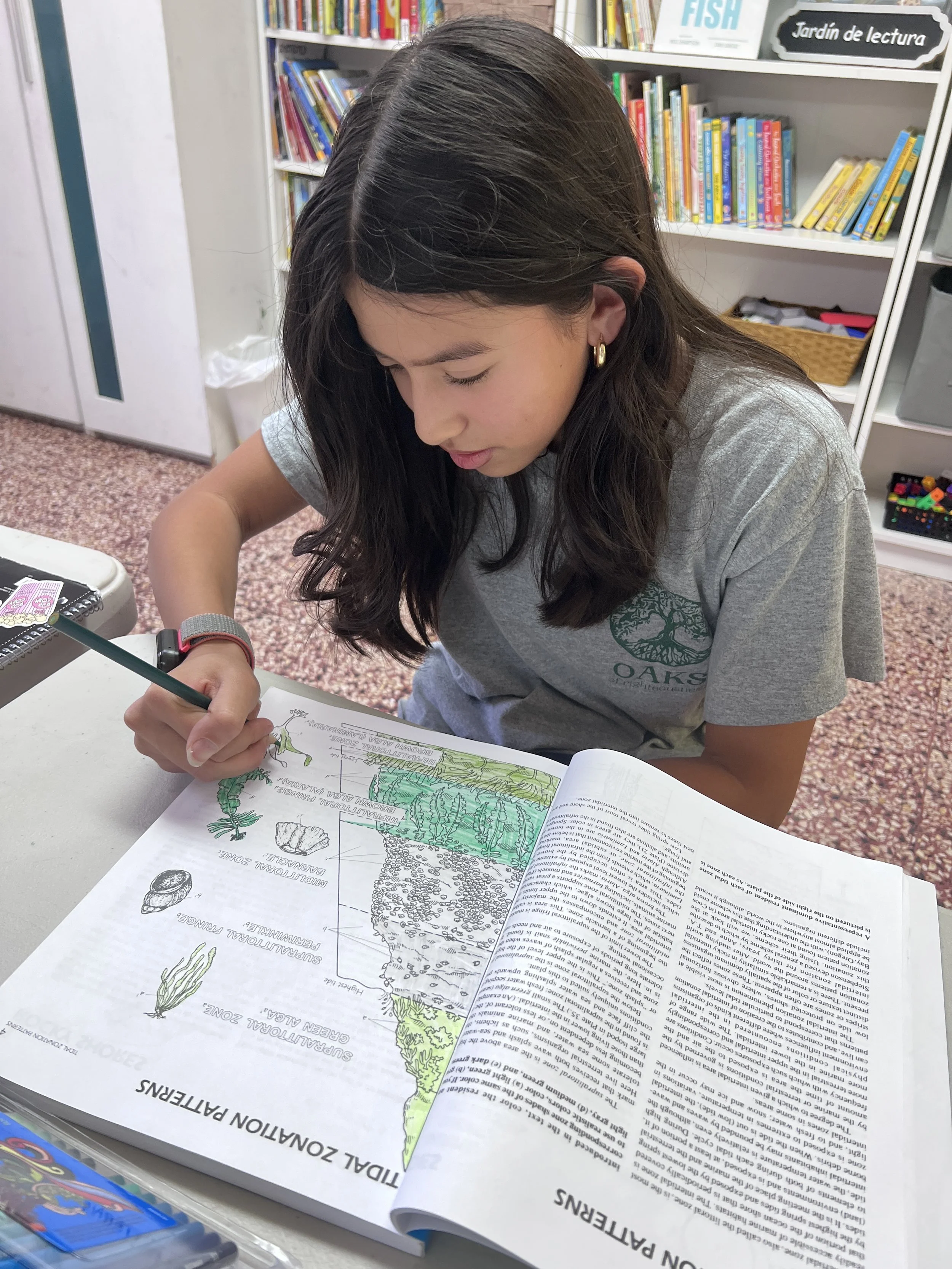
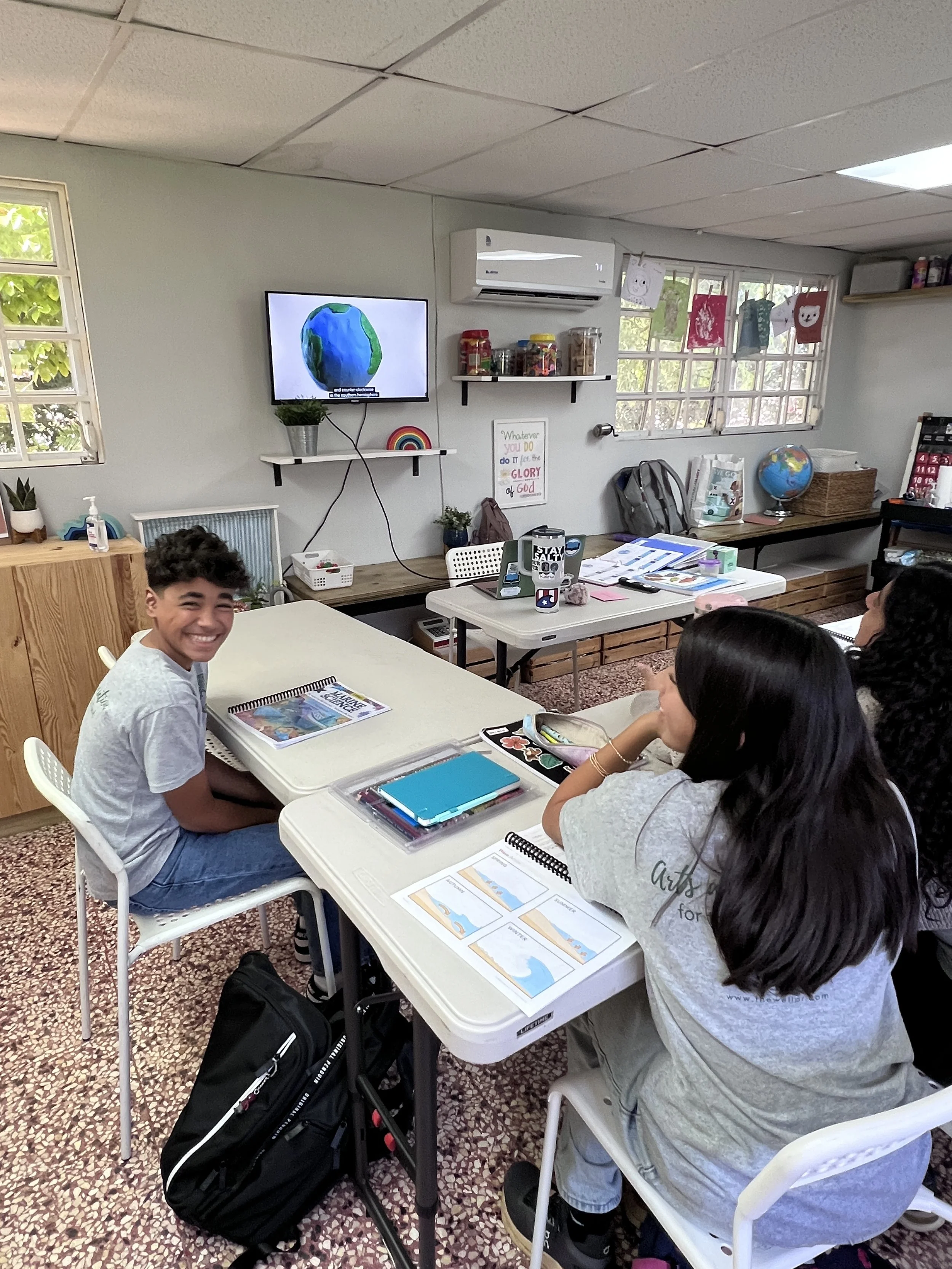
And this week in Marine science was all about tides and currents! The students colored the tidal zonation patterns page in their Marine Biology coloring book while I read the text aloud to them. The students explored how and why tides change throughout the day and seasons, which is why the beach looks different throughout the year depending on the pattern of the waves. And lastly, the students studied various ocean currents, such as the Gulf Stream and Japan current, and how they bring warm and cold water to different parts of the world, which, in turn, affects the weather.
HISTORY
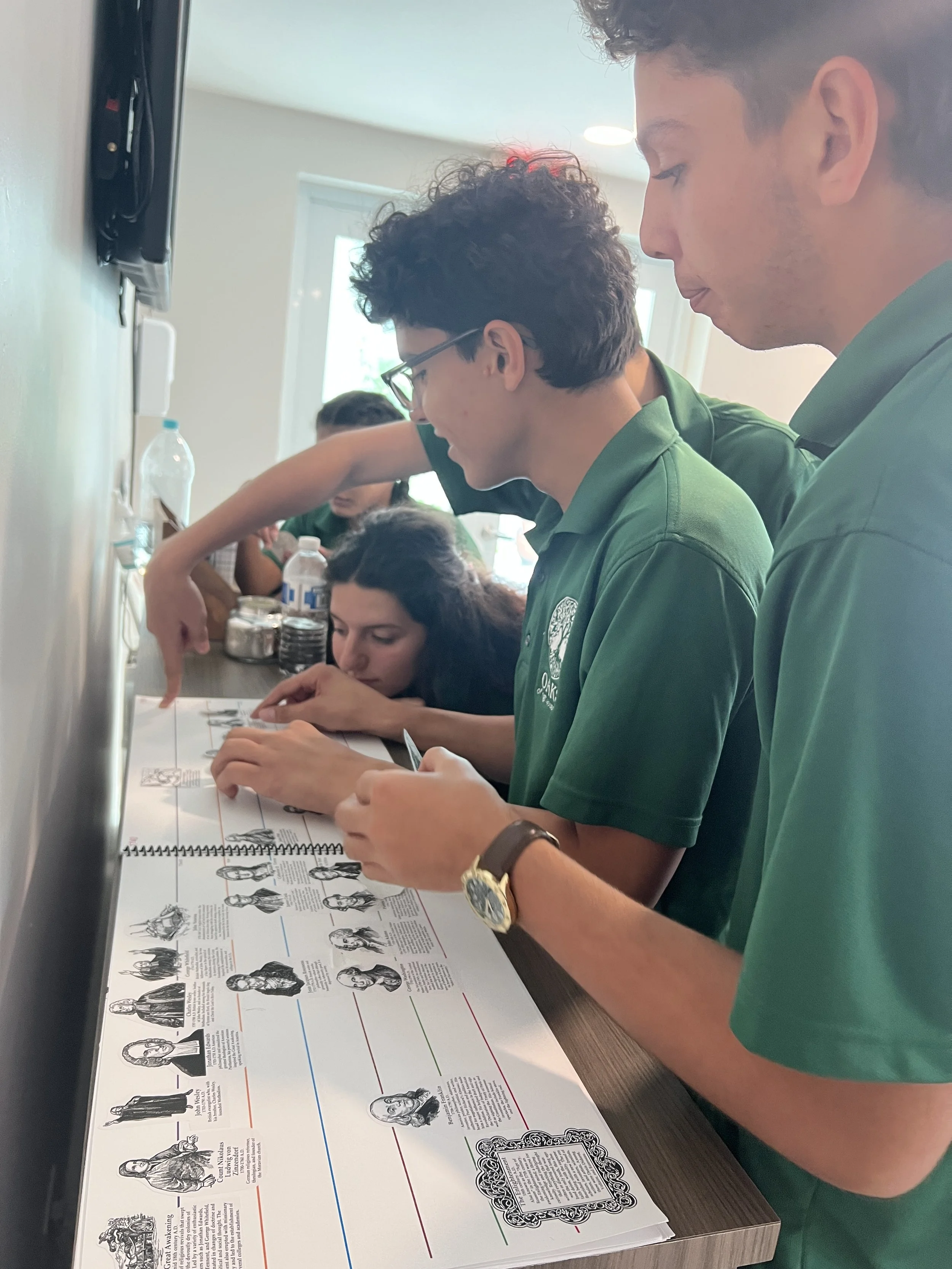
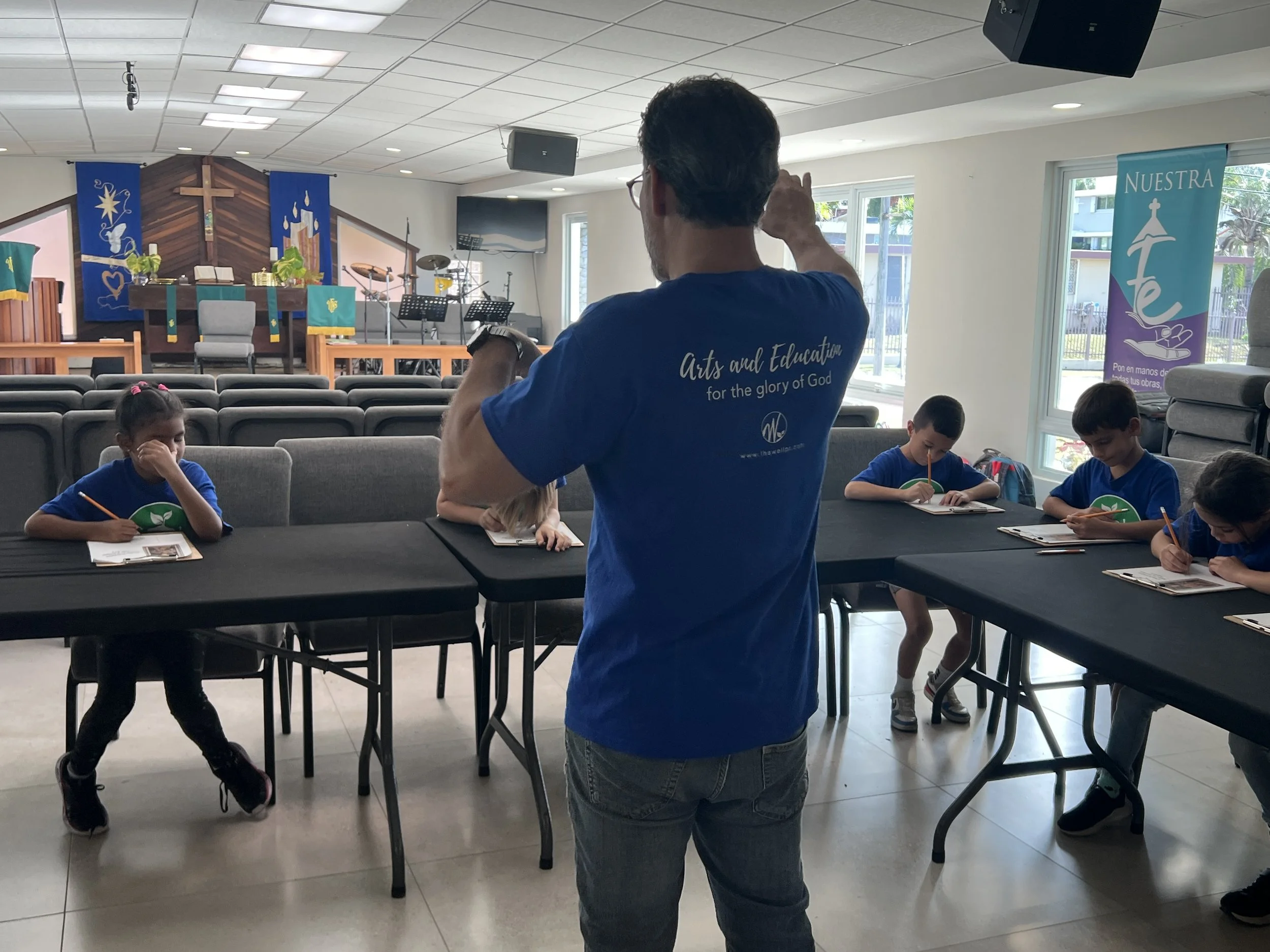
The students watched a video about the Father of Modern Europe, Charlemagne and listed 5 facts about him. We discussed how his decisions greatly influenced the creation of the Europe we know today. We also talked about the Book of Kells and discovered how valuable this manuscript is due to the difficulty of making vellum and acquiring the colorful inks that were meticulously used to design every detail of each page. It is truly a wonder!
SUGGESTED READINGS
Streams of Civilization
P. 275-276 The Saxon-Angles Invasion, Christianity Arrives in England
World History from Ancient to Modern Times.
pgs. 122-123