Week 19: A "Polarizing" Time!
February Fun Days! Coming Soon...
〰️
February Fun Days! Coming Soon... 〰️
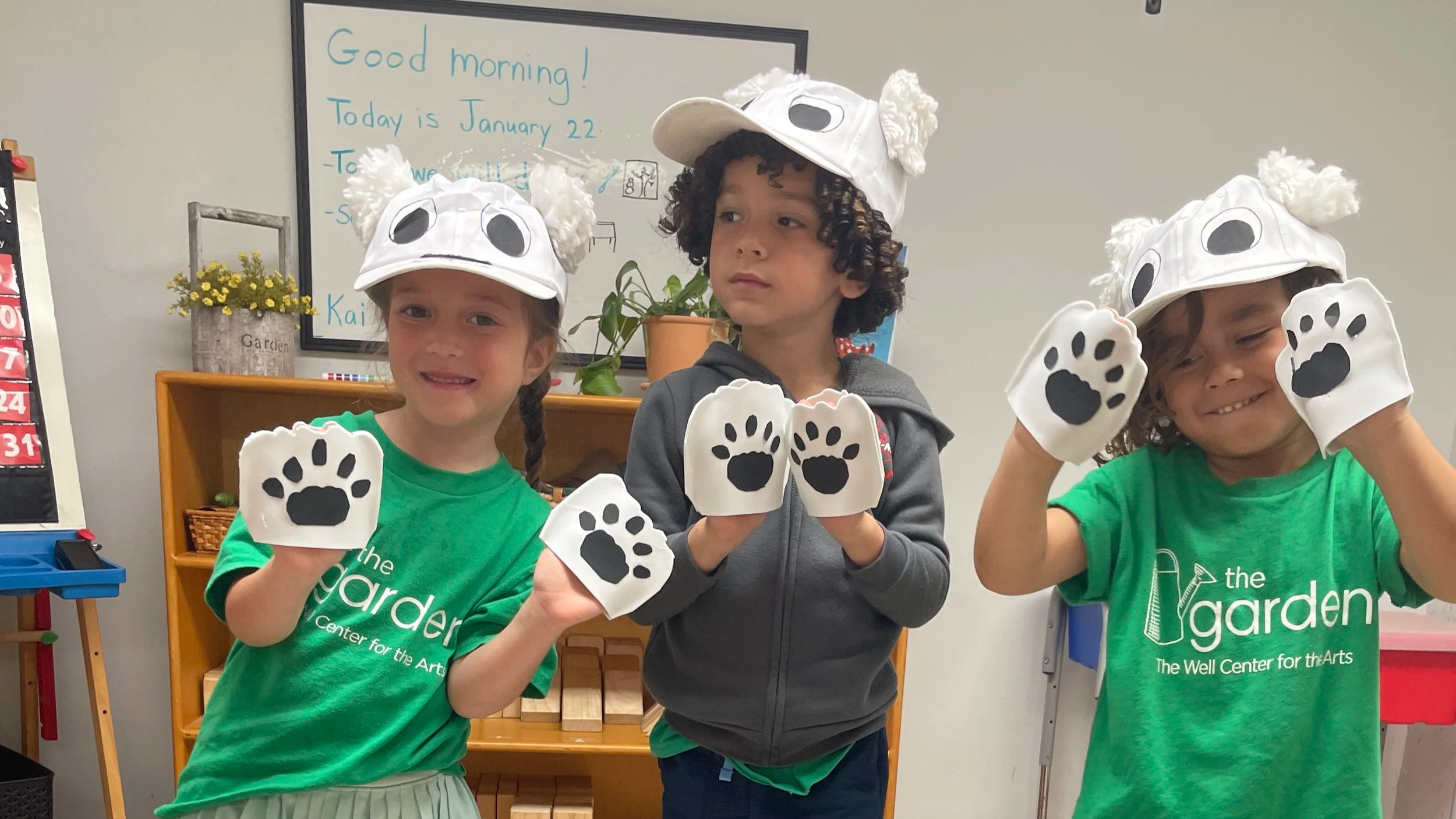
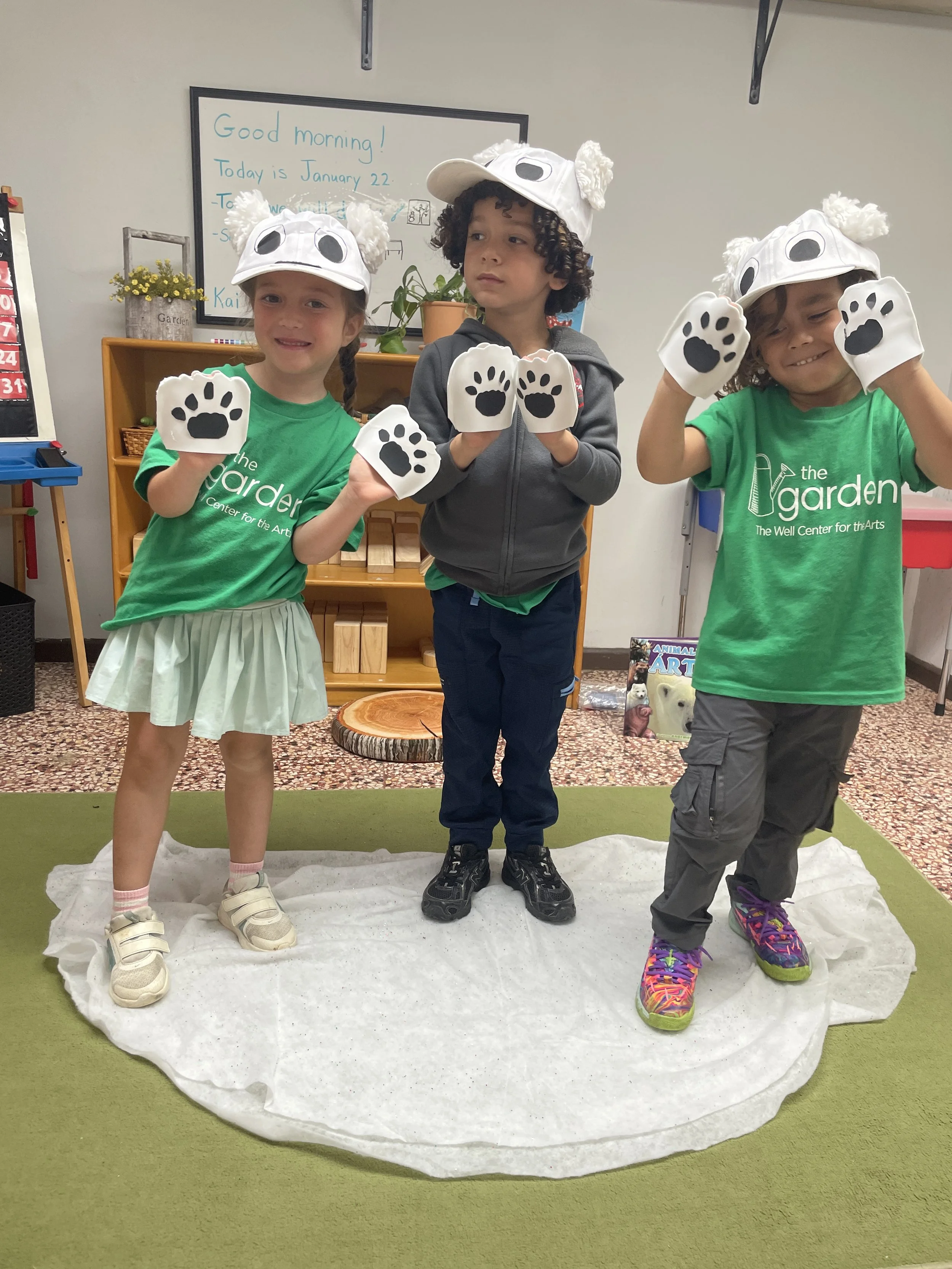
Our Garden kids sang their polar bear song and absolutely loved their costumes! Meanwhile in Oaks Middle School Science, the students have begun their course of Marine Science, with a lesson on longitude and latitude - a must for exploring the north and south poles.
SUGGESTED AT-HOME READINGS VARY PER PROGRAM. PLEASE GO TO THE SECTION OF YOUR PROGRAM TO SEE THE SELECTED PAGES.
The Garden
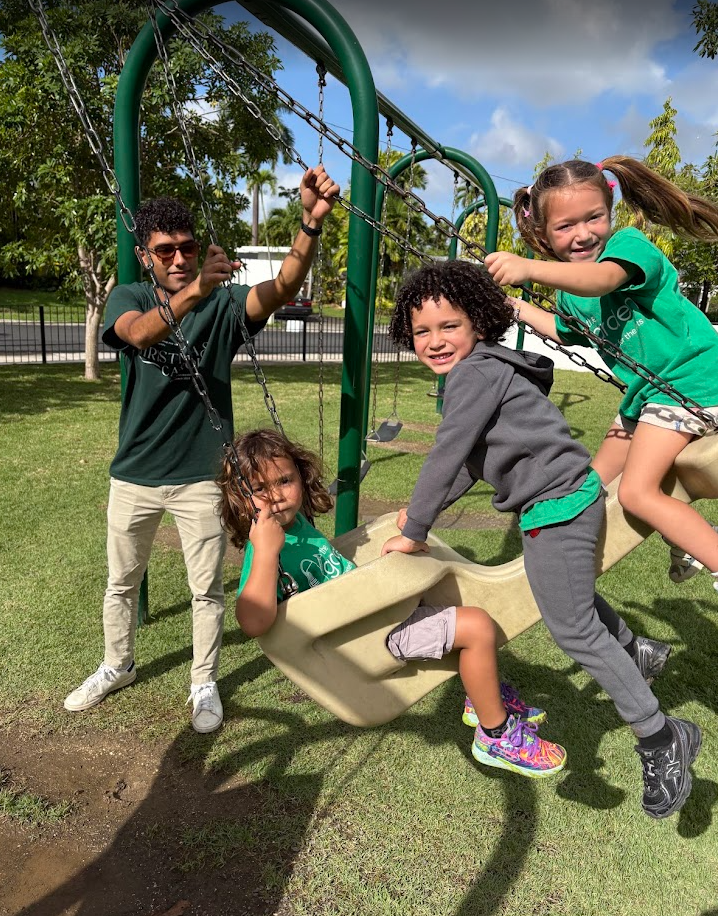
This week at worship time we learned more about Jesus and the beginning of his ministry by the Sea of Galilee. Jesus did such amazing things and said such wonderful things that people wanted to follow him. The people marveled at his teaching because he spoke with authority. The people could tell that this was a new kind of teaching, different from the teachers of the law and religious leader. We were introduced to Peter, Andrew, James, and John, fishermen who began to follow Jesus. We learned a new song called “Deep and Wide.”
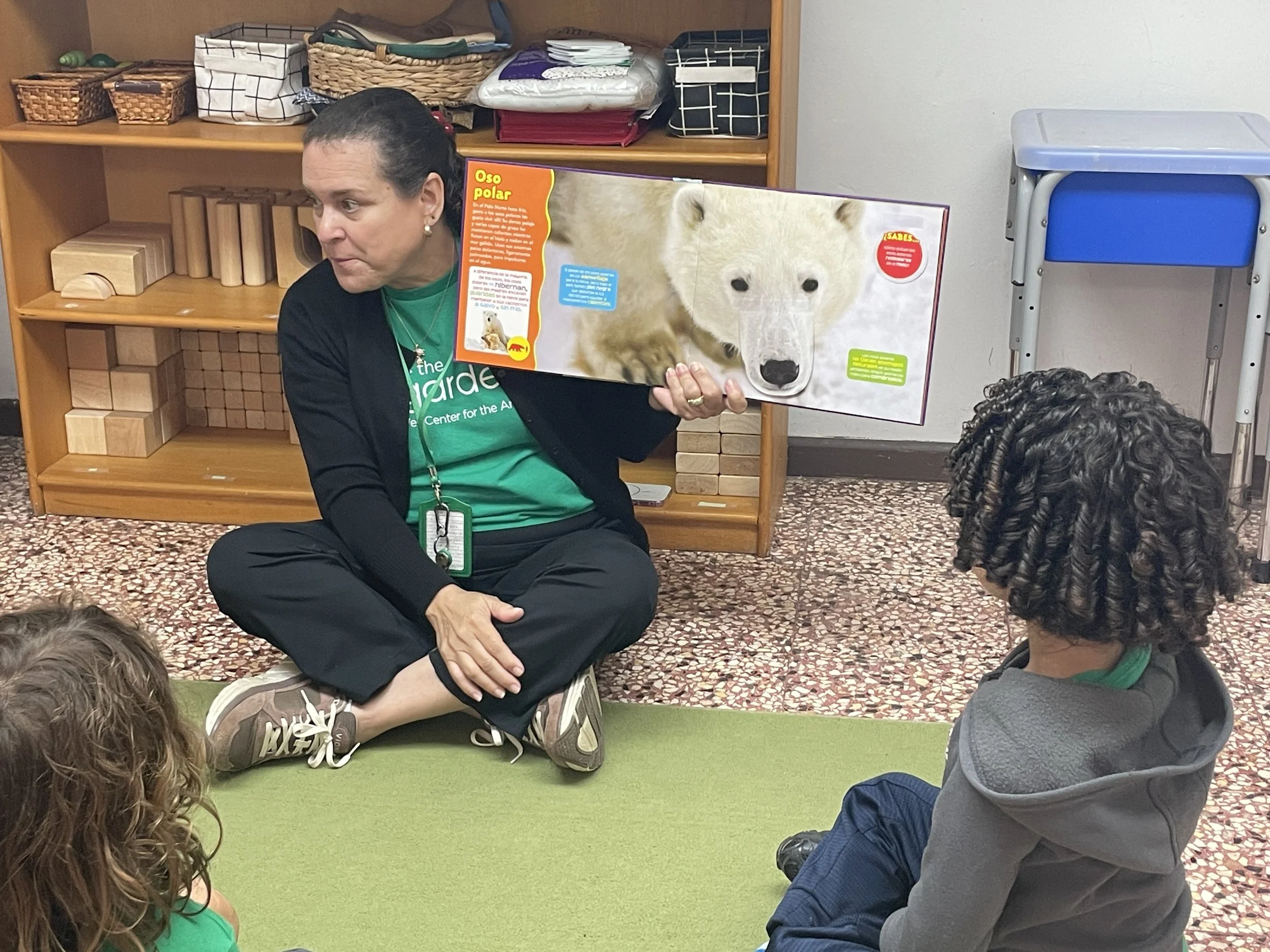
During circle time, we practiced the new rhymes including a fun one about polar bears which included dressing up with paws and hats!
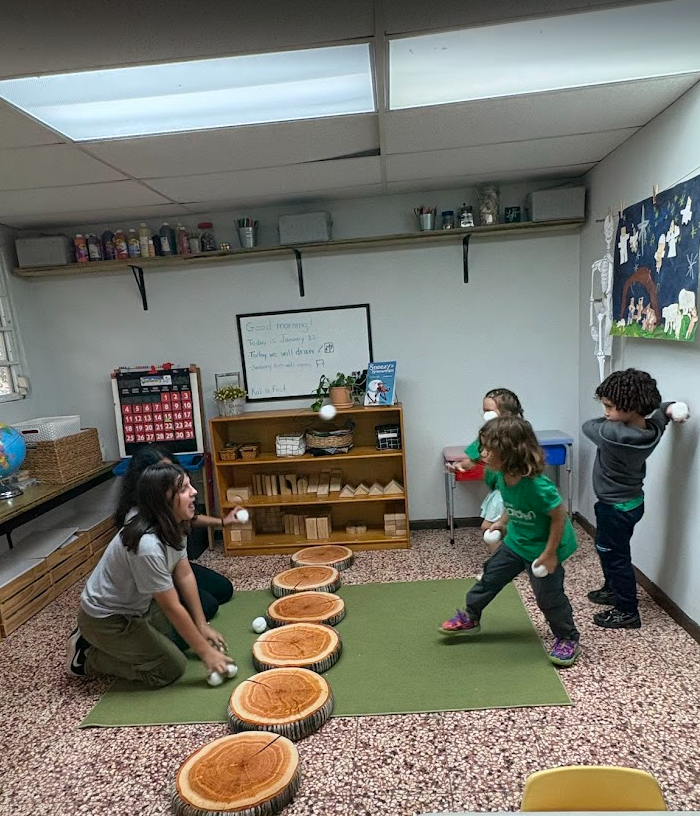
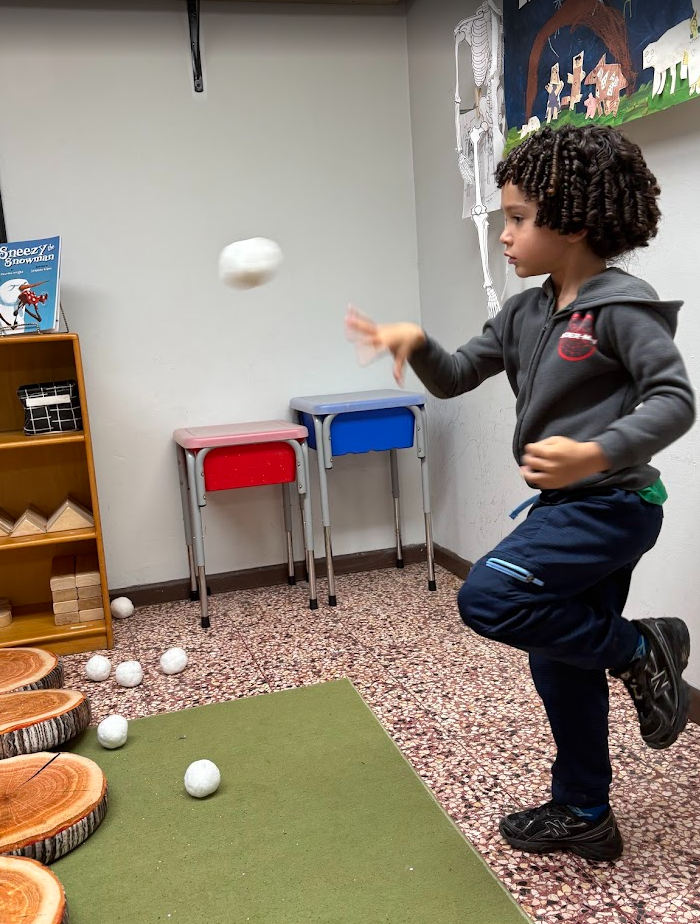
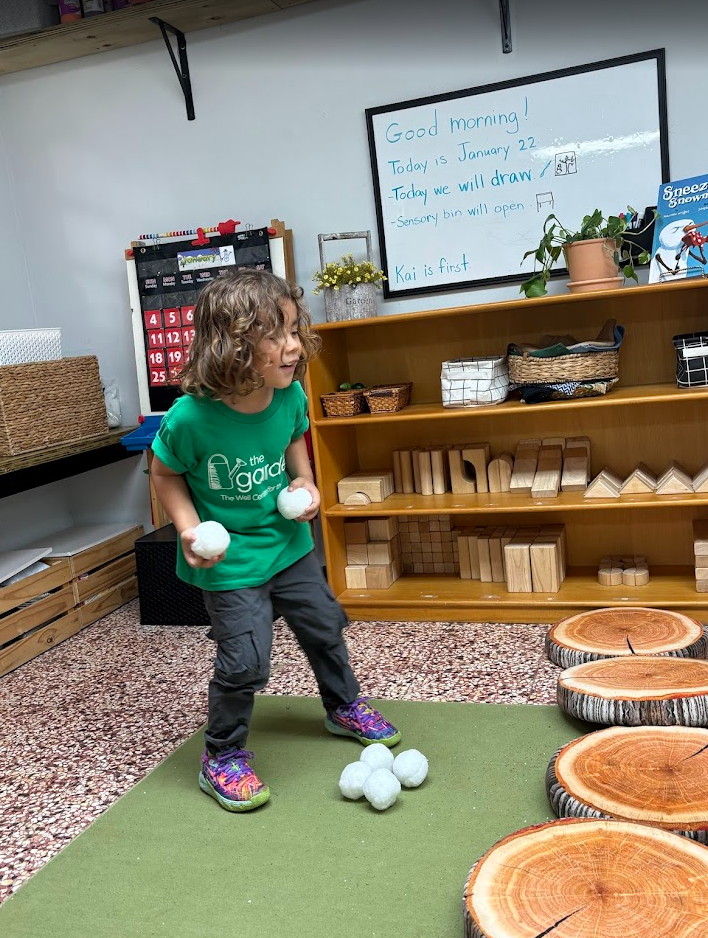
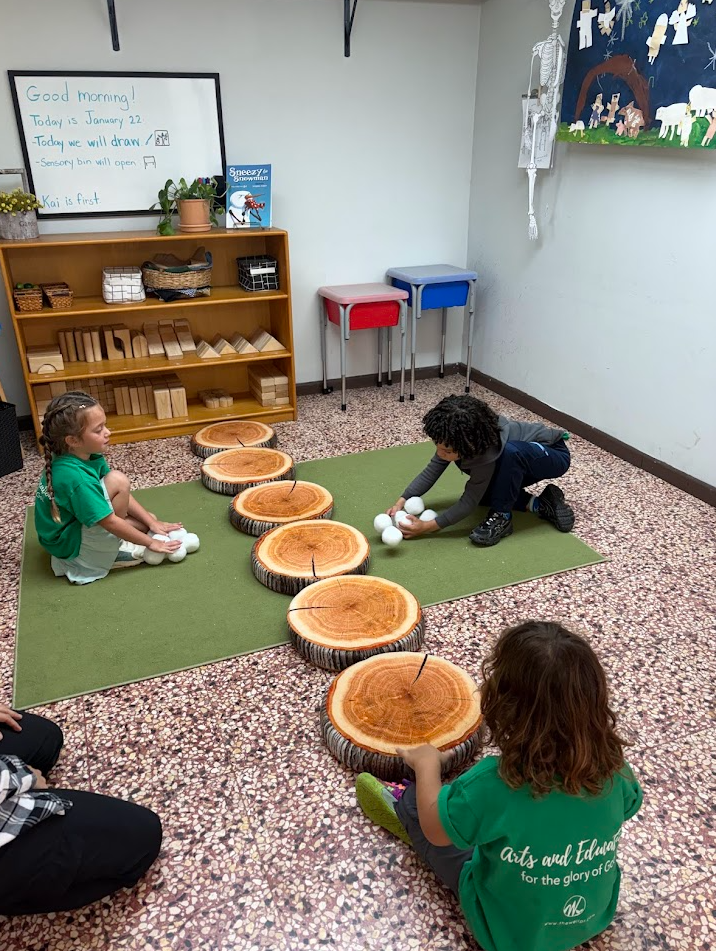
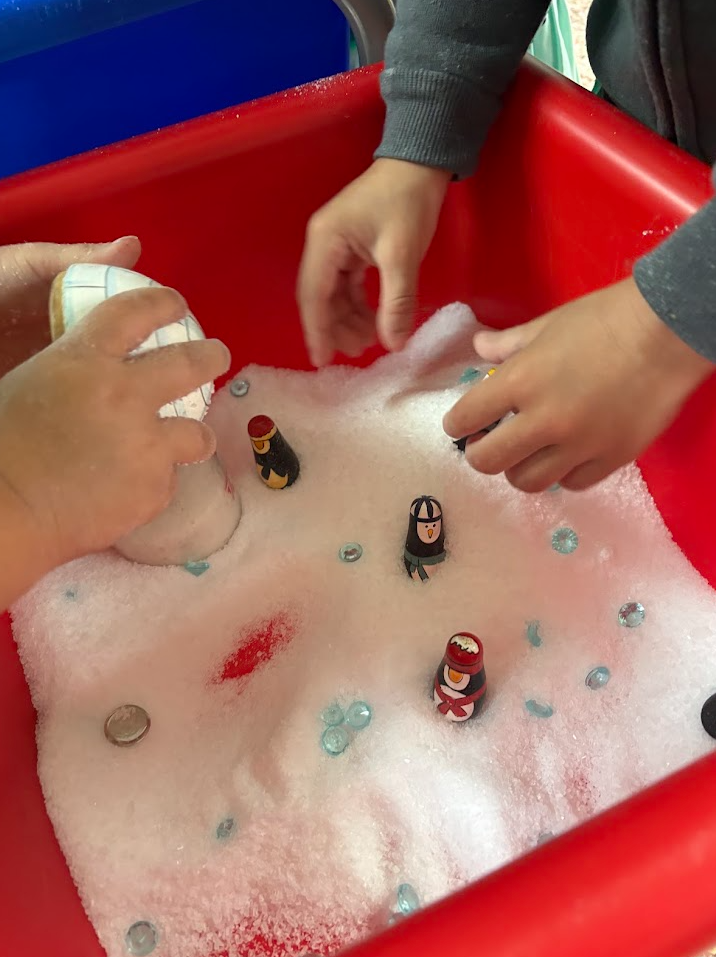
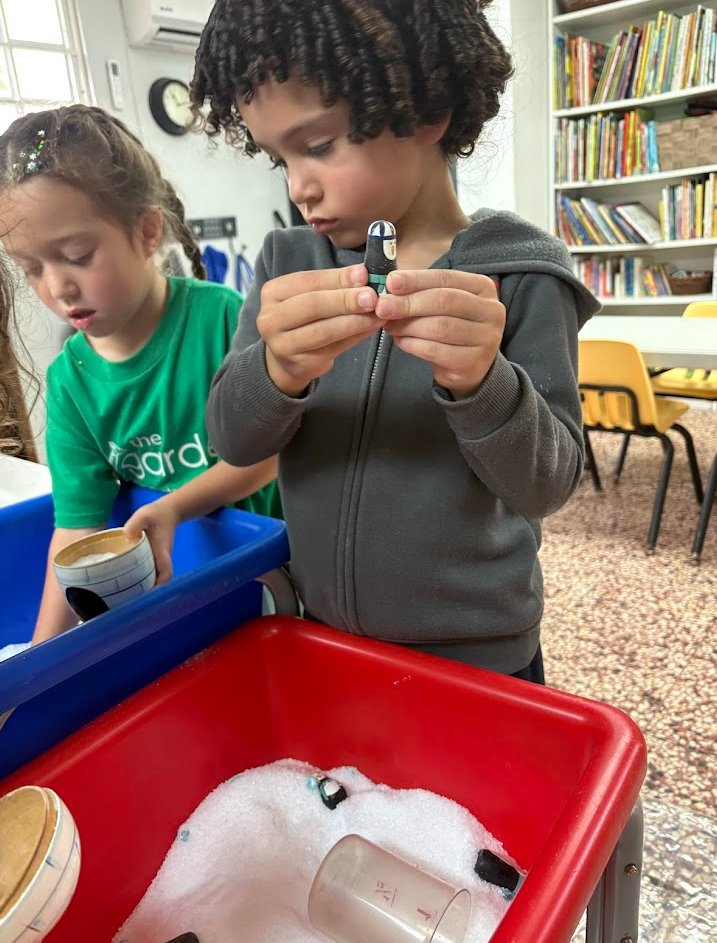
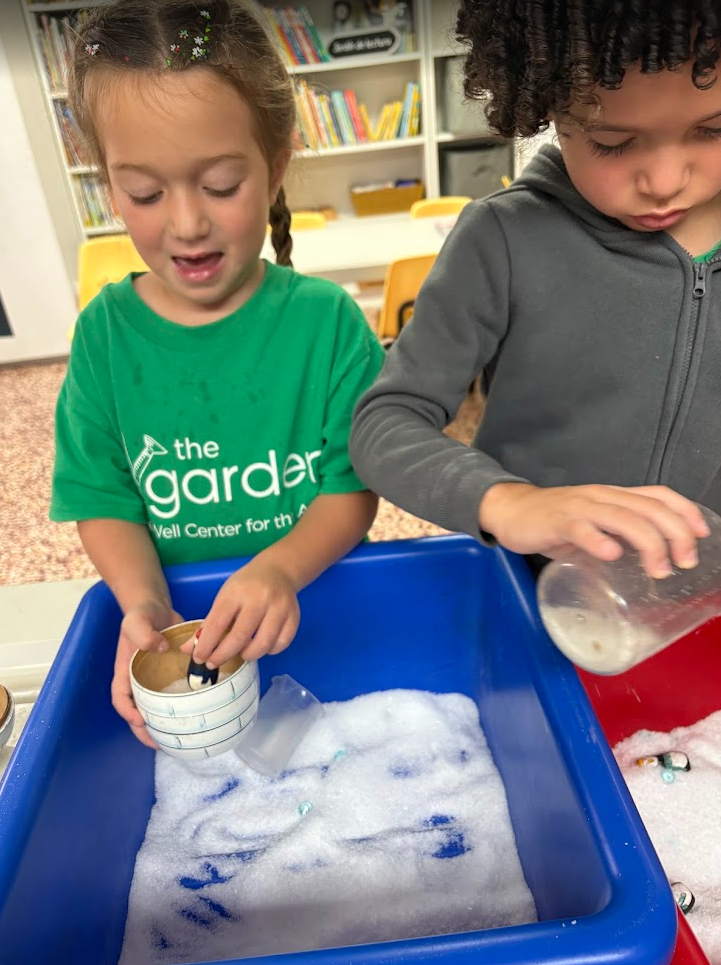
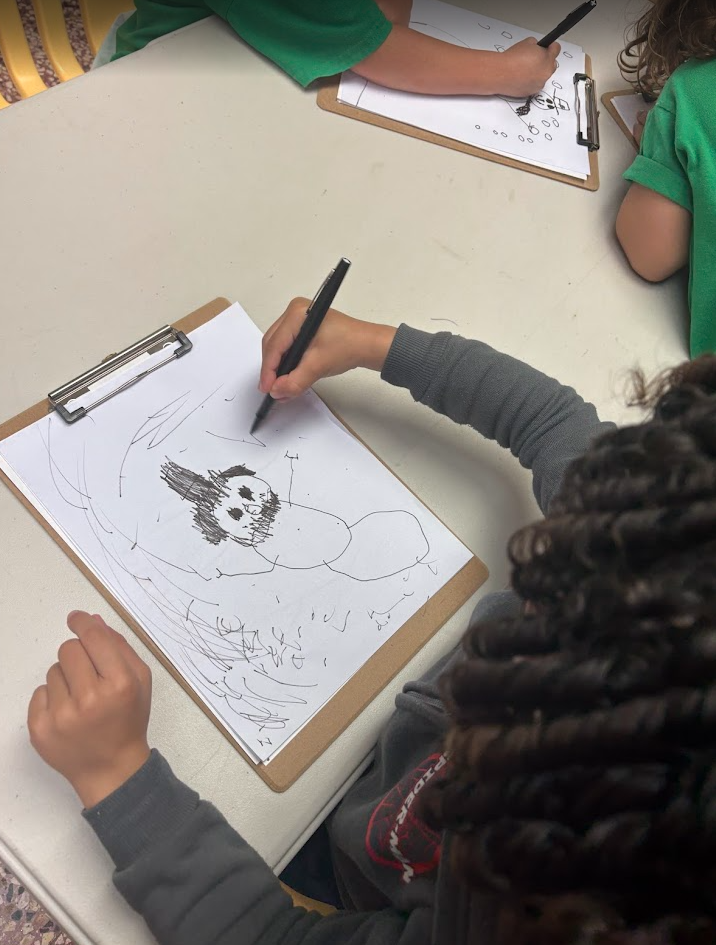
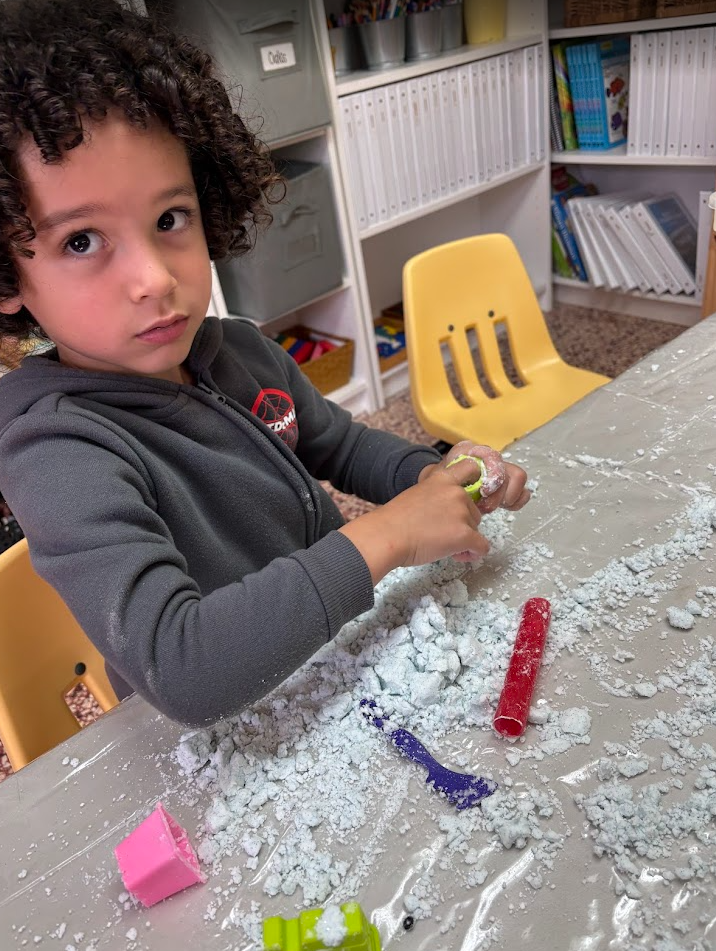
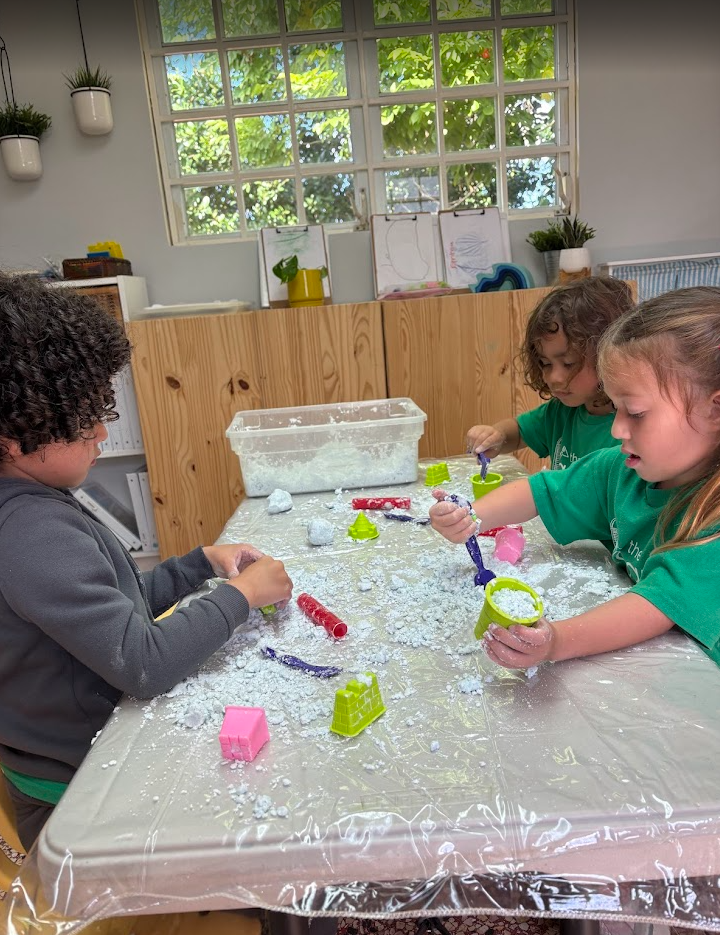
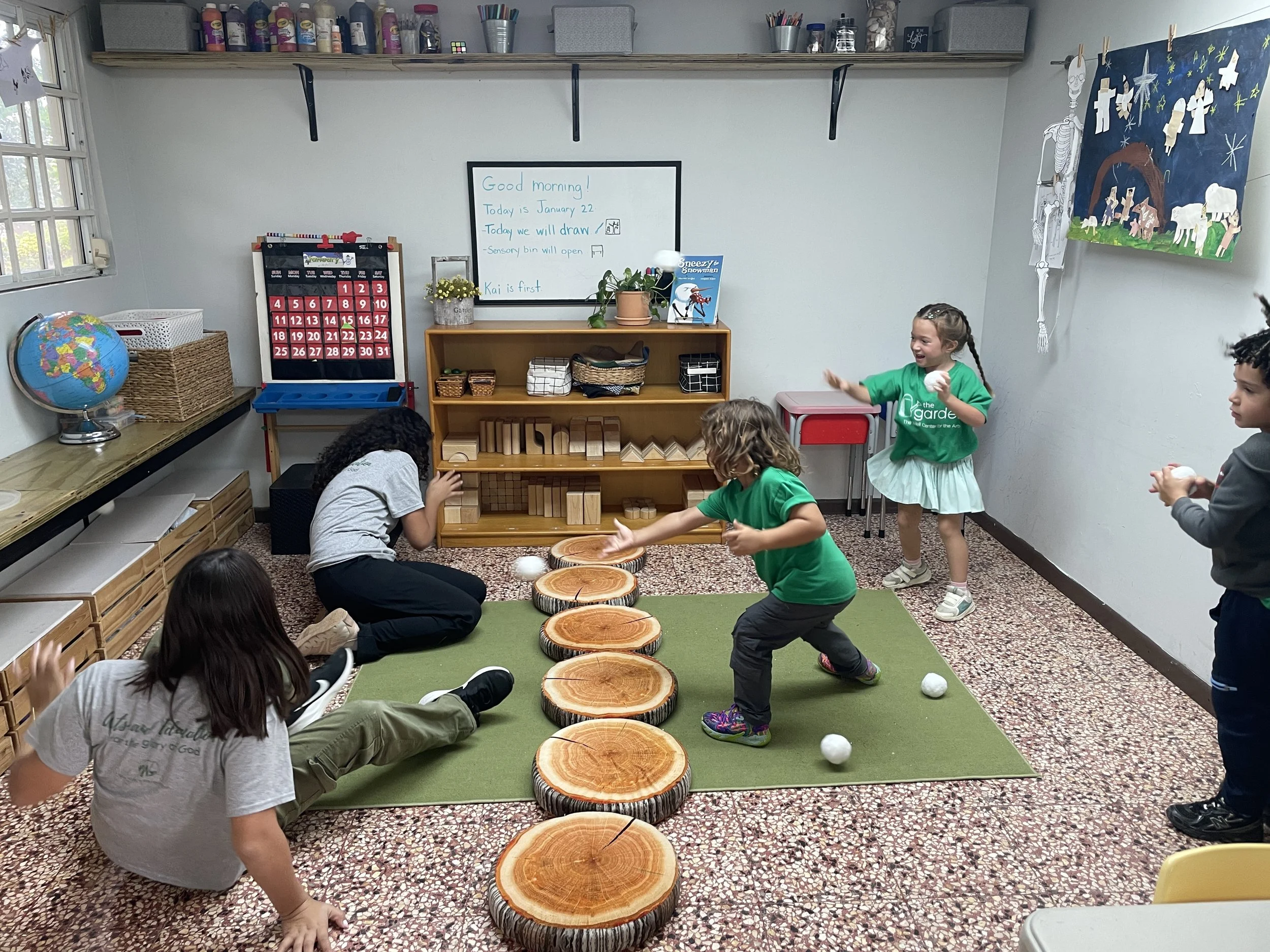
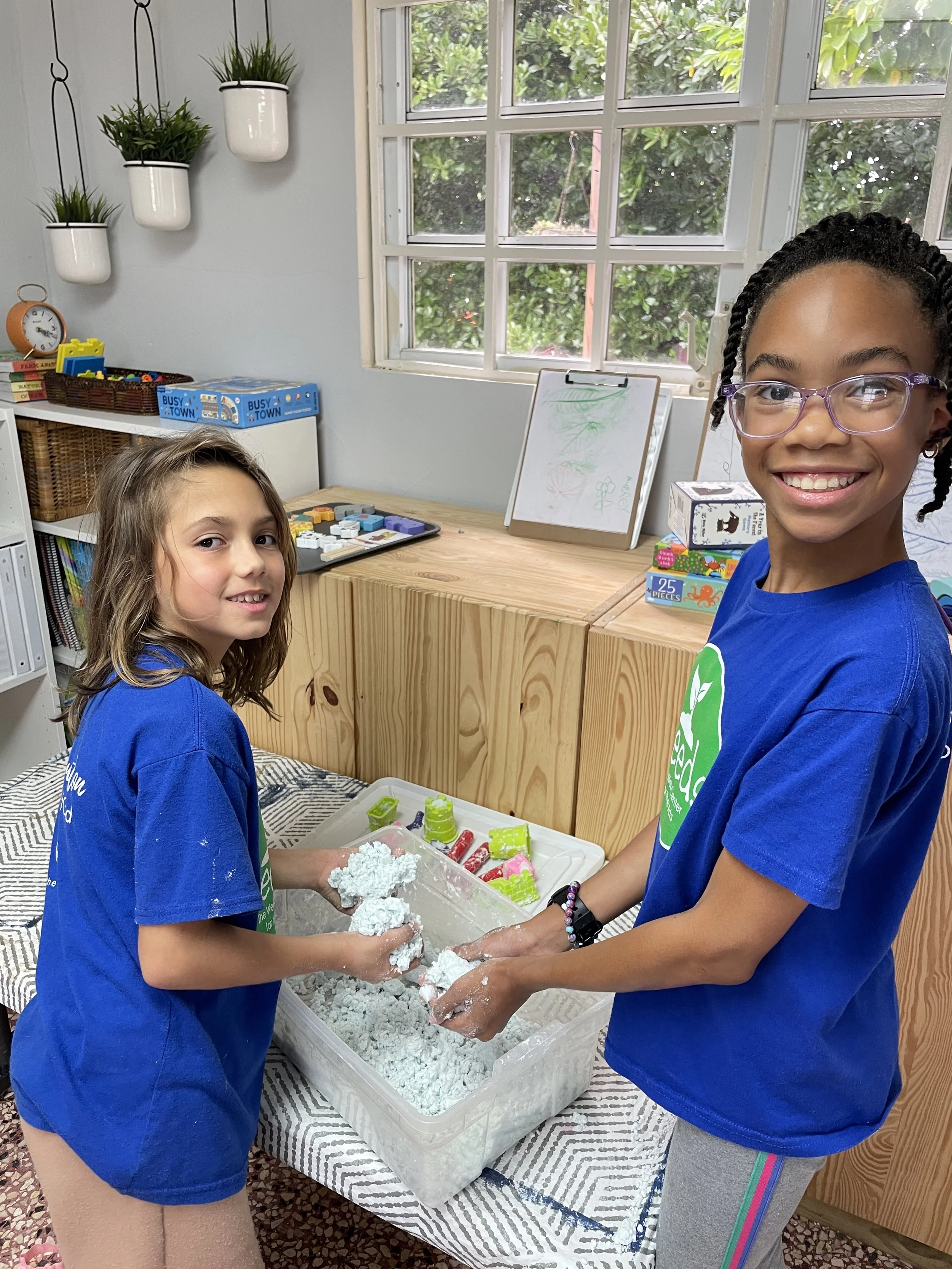
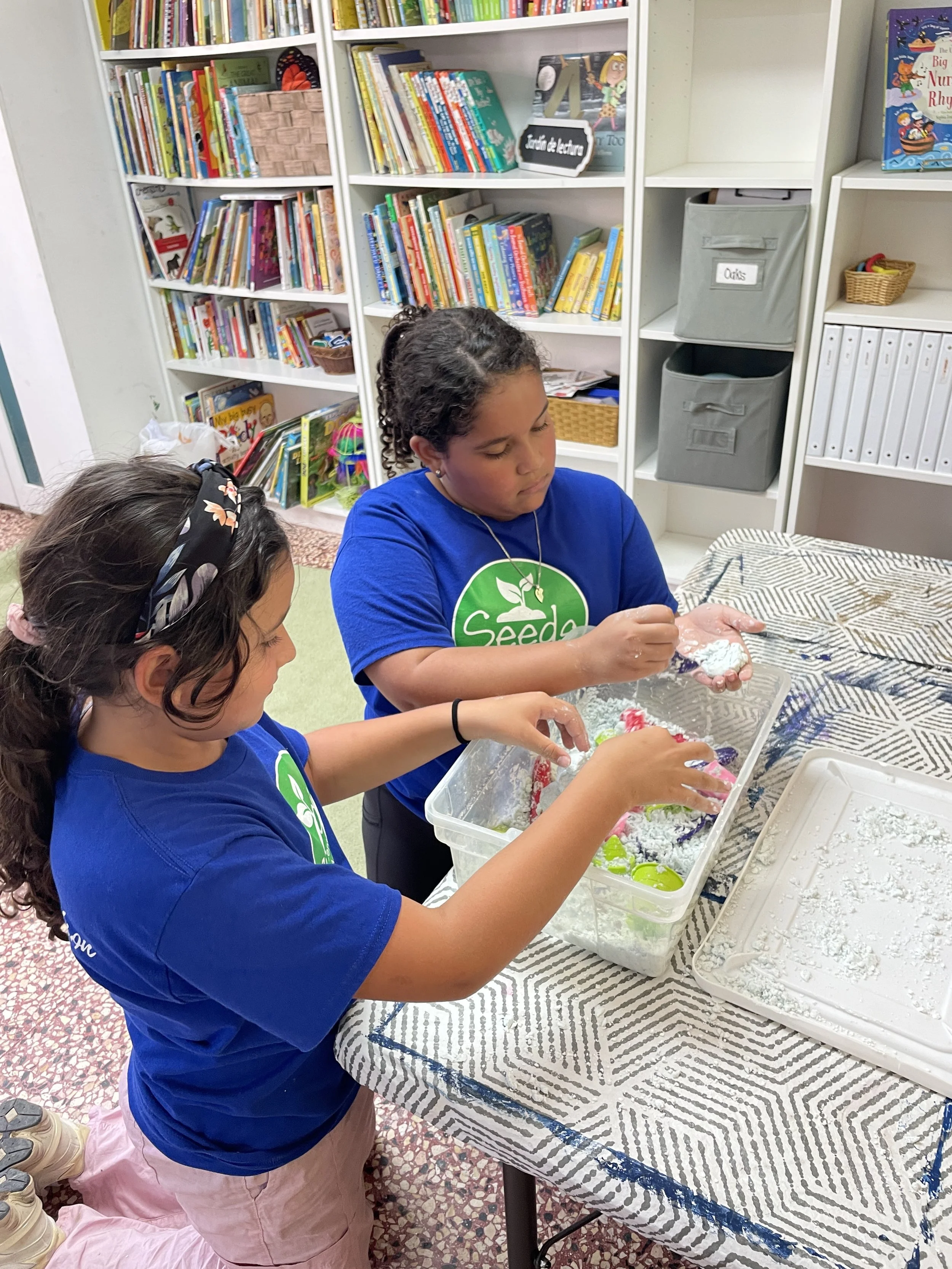
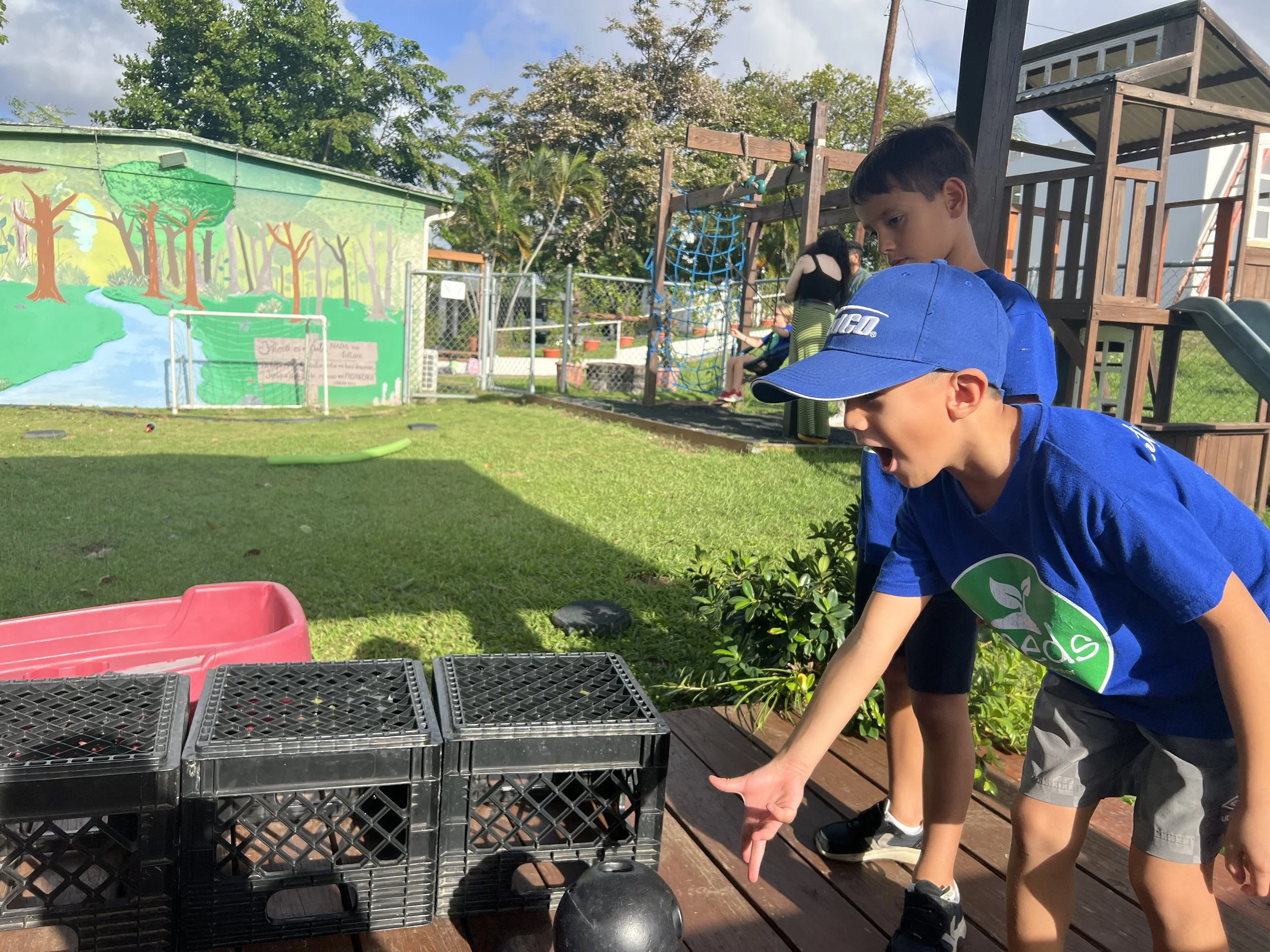
For our activity time we enjoyed playing more with the snow from last week and made a different kind of sensory bin play using lavender scented epsom salt and some fun crystals and mini penguins. When Emmanuel smelled the salt he exclaimed, “huele espectacular!” Since the rain kept us inside, we got to play a game with our plush snowballs! The kids had to work hard to keep the snow out of their zone for thirty seconds. When the timer went off, we counted how many snowballs were on each side and the side that had the least was the winner. Emma and Carolina joined in on the fun.
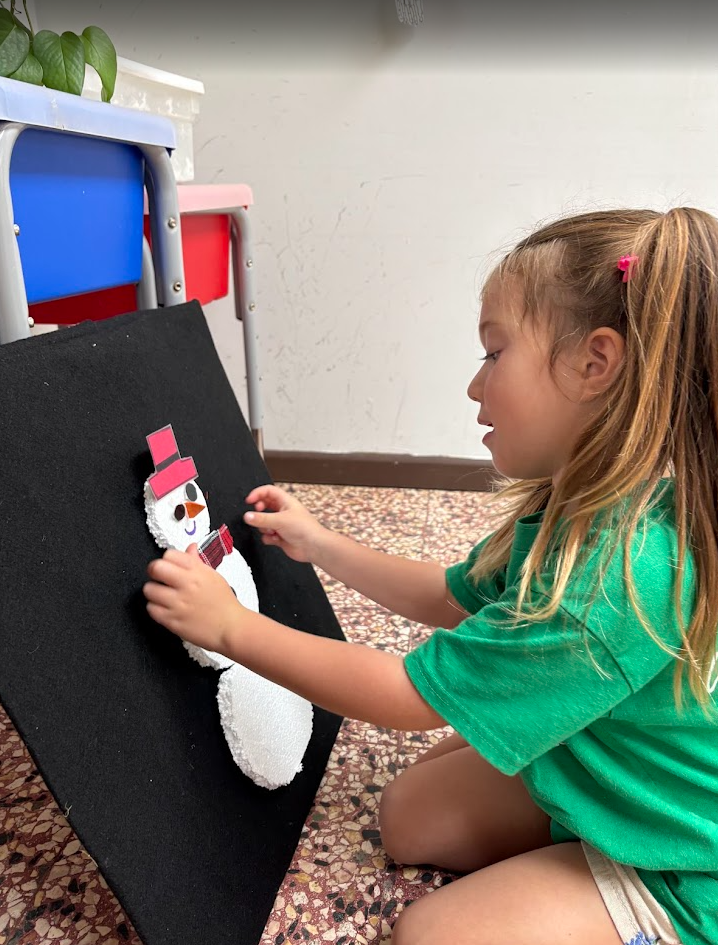
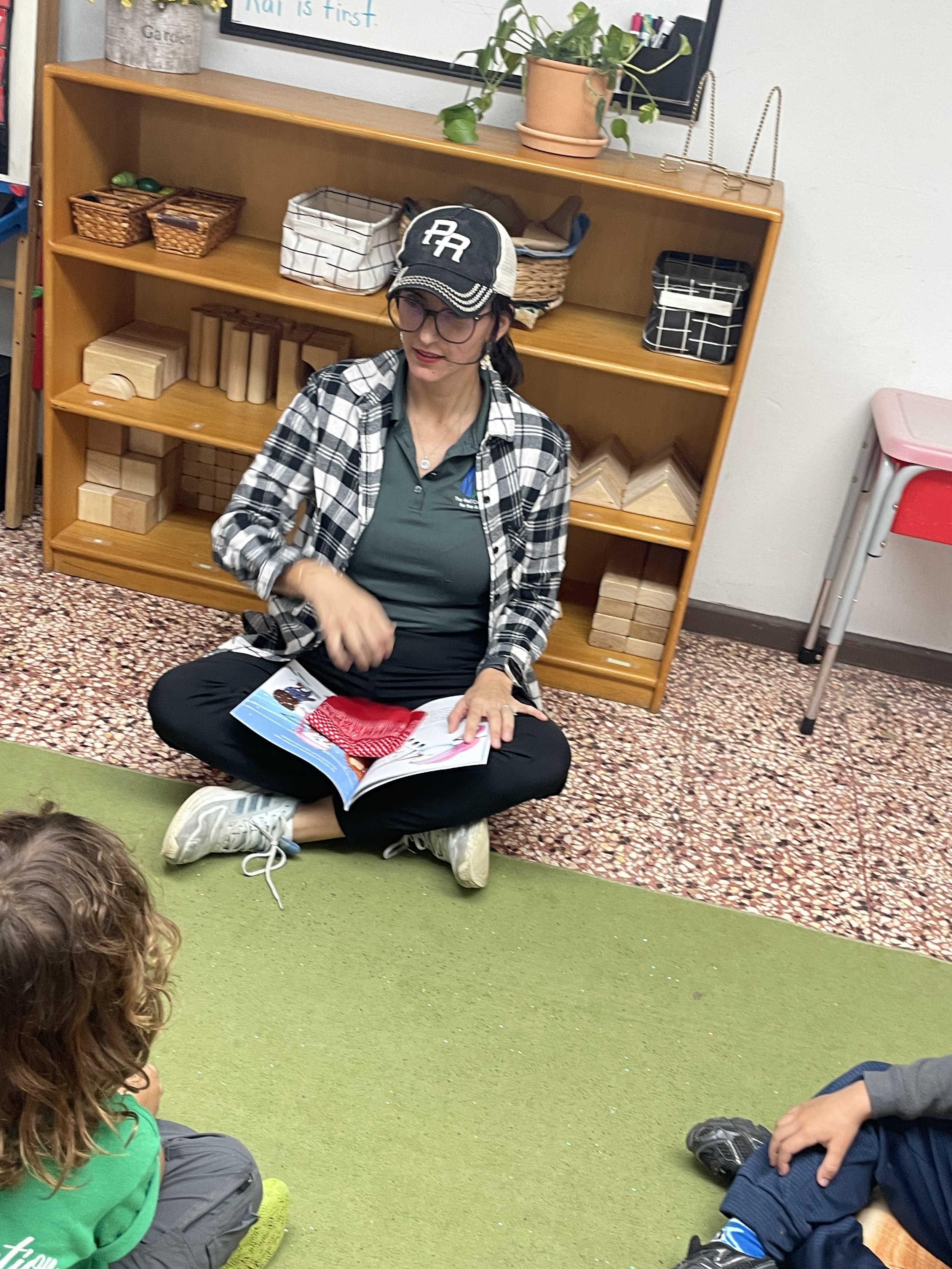
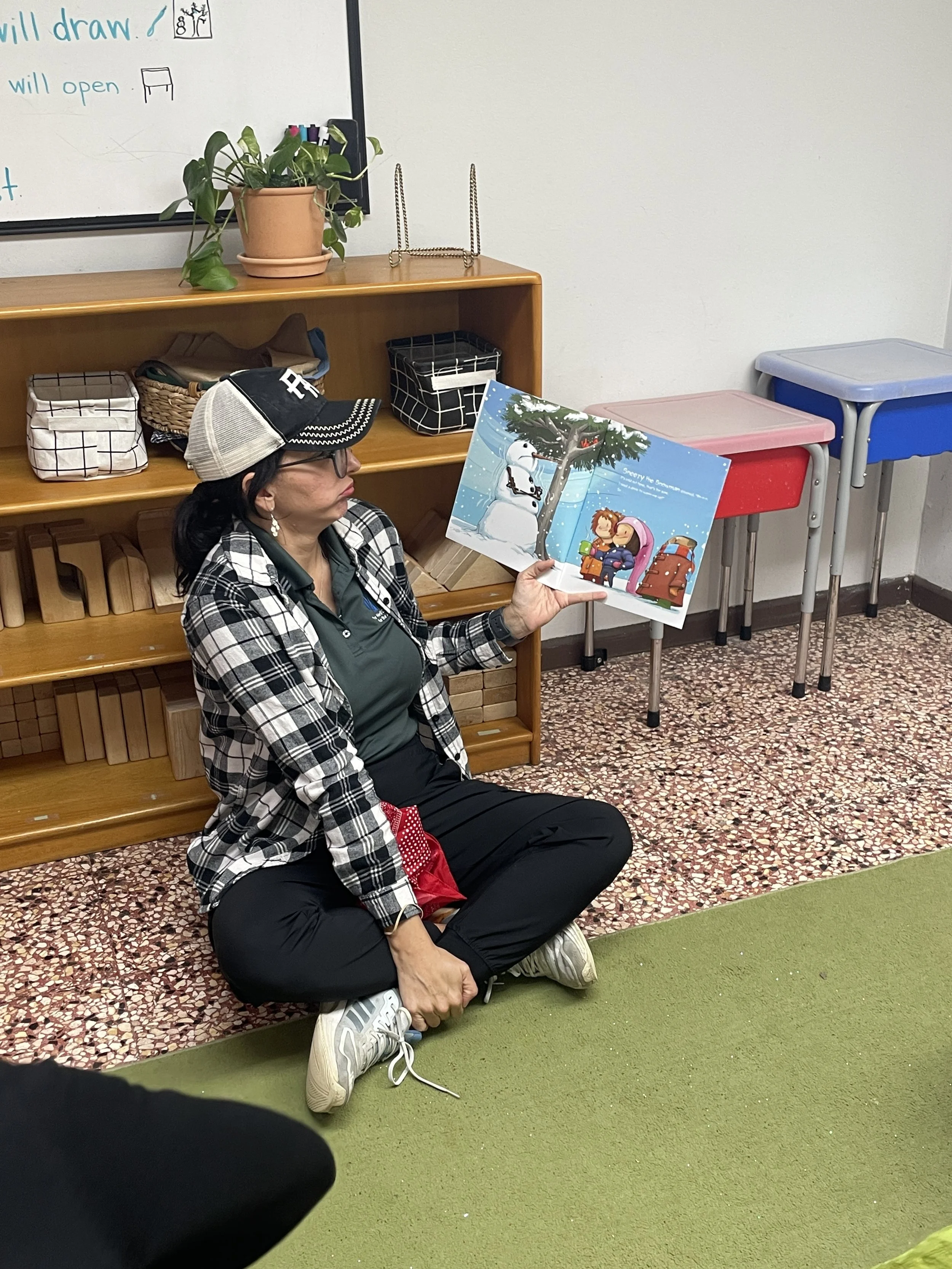
This week’s stories were: Snowmen at Christmas and The Sneezy Snowman.
The Seeds Program
BIBLE
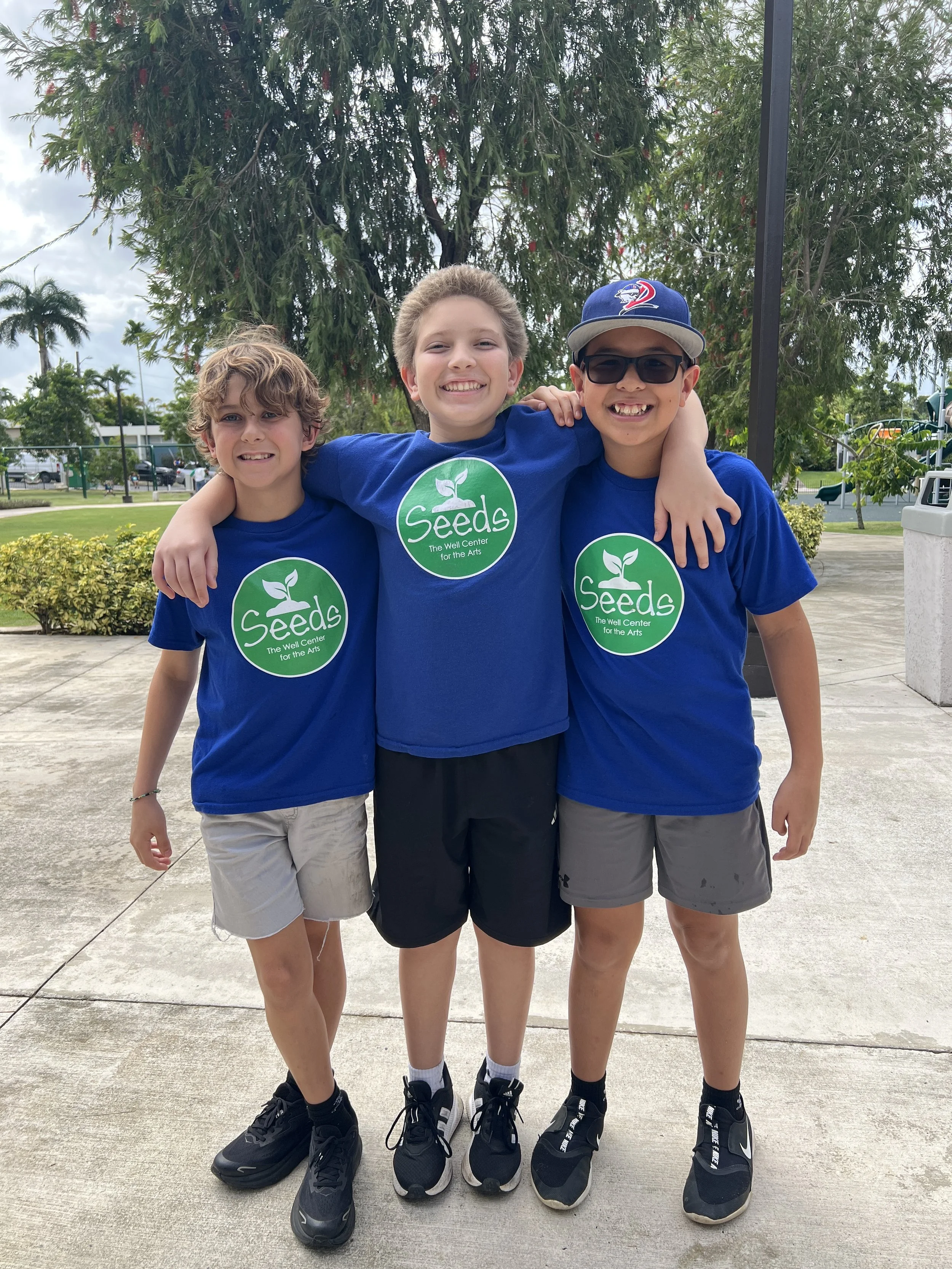
Our study of the Gospel of Luke moved beyond Jesus’ childhood this week, as we read the accounts of Jesus getting baptized, being tempted in the wilderness, and beginning his ministry by teaching, healing, and calling his disciples. While we covered a great deal of ground this week (Chapters 3-6), we didn't have the chance to go too deeply into His Sermon on the Mount. If you have time, make sure you read that with your children this week (Found in Luke 6:20-49)
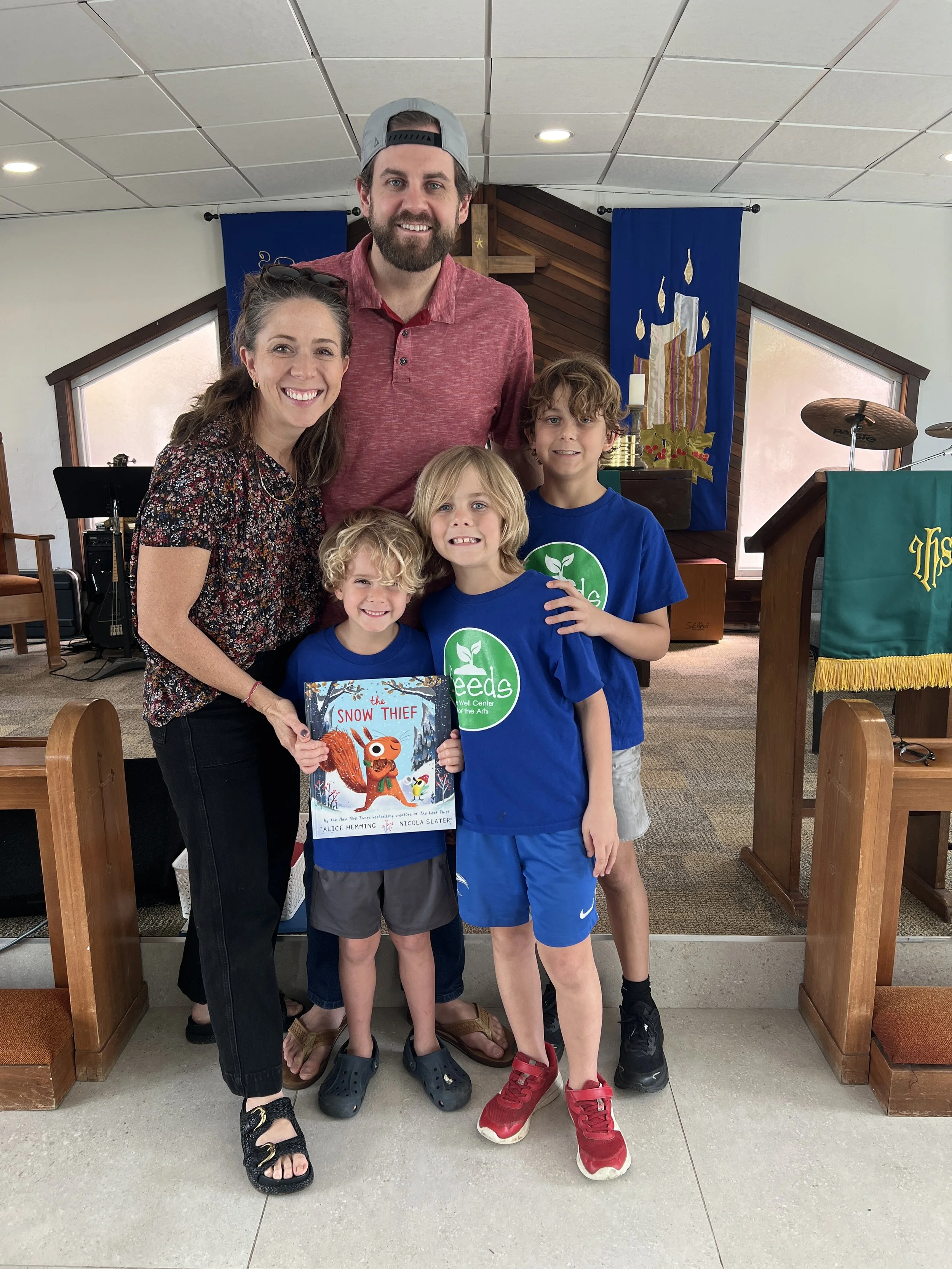
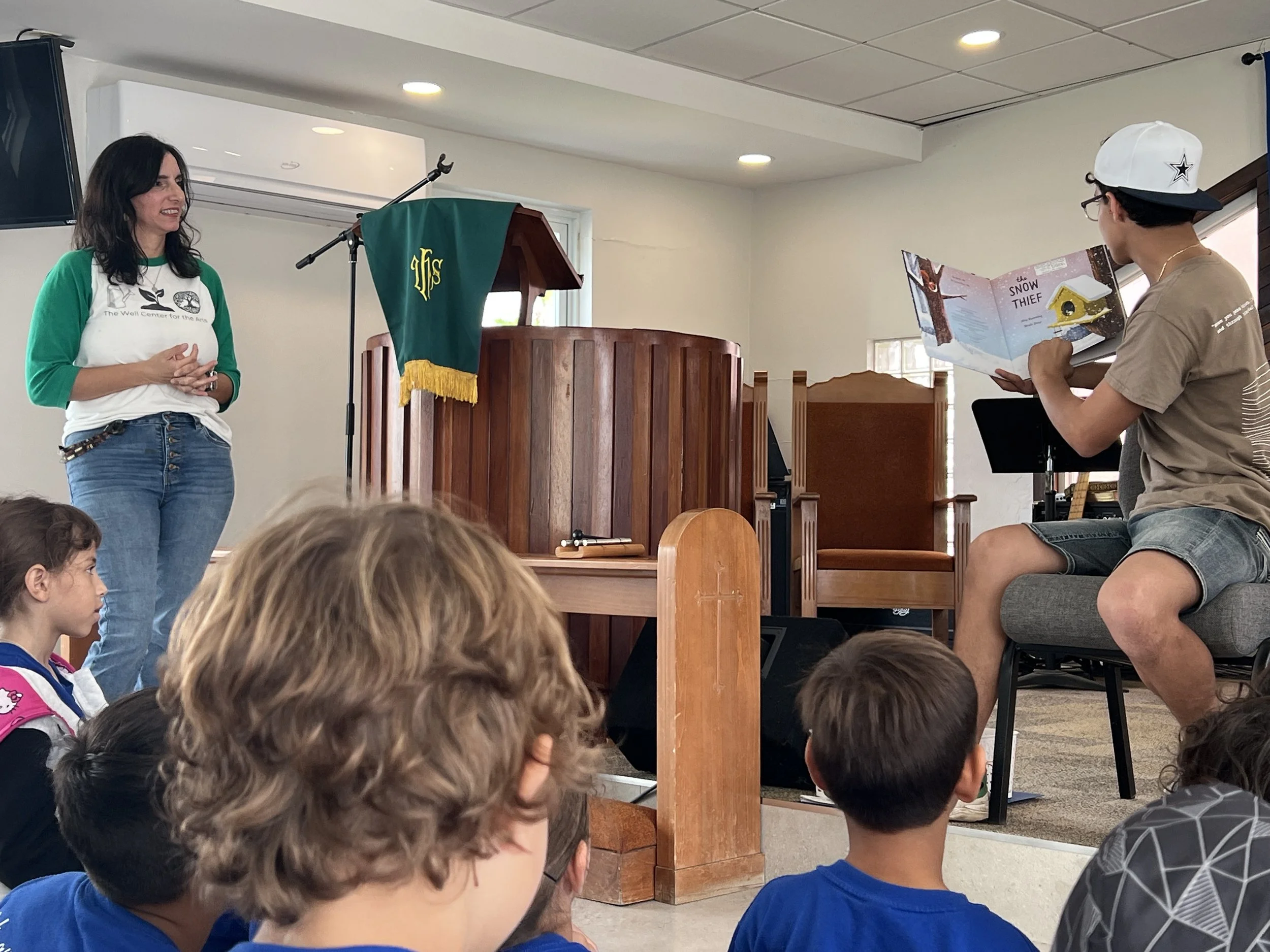
We also honored Joe this week and read the book, The Snow Thief.
SUGGESTED READINGS
Bible
Luke 3-6
DK Illustrated Bible
pgs. 228-229
pgs. 234-242
SCIENCE
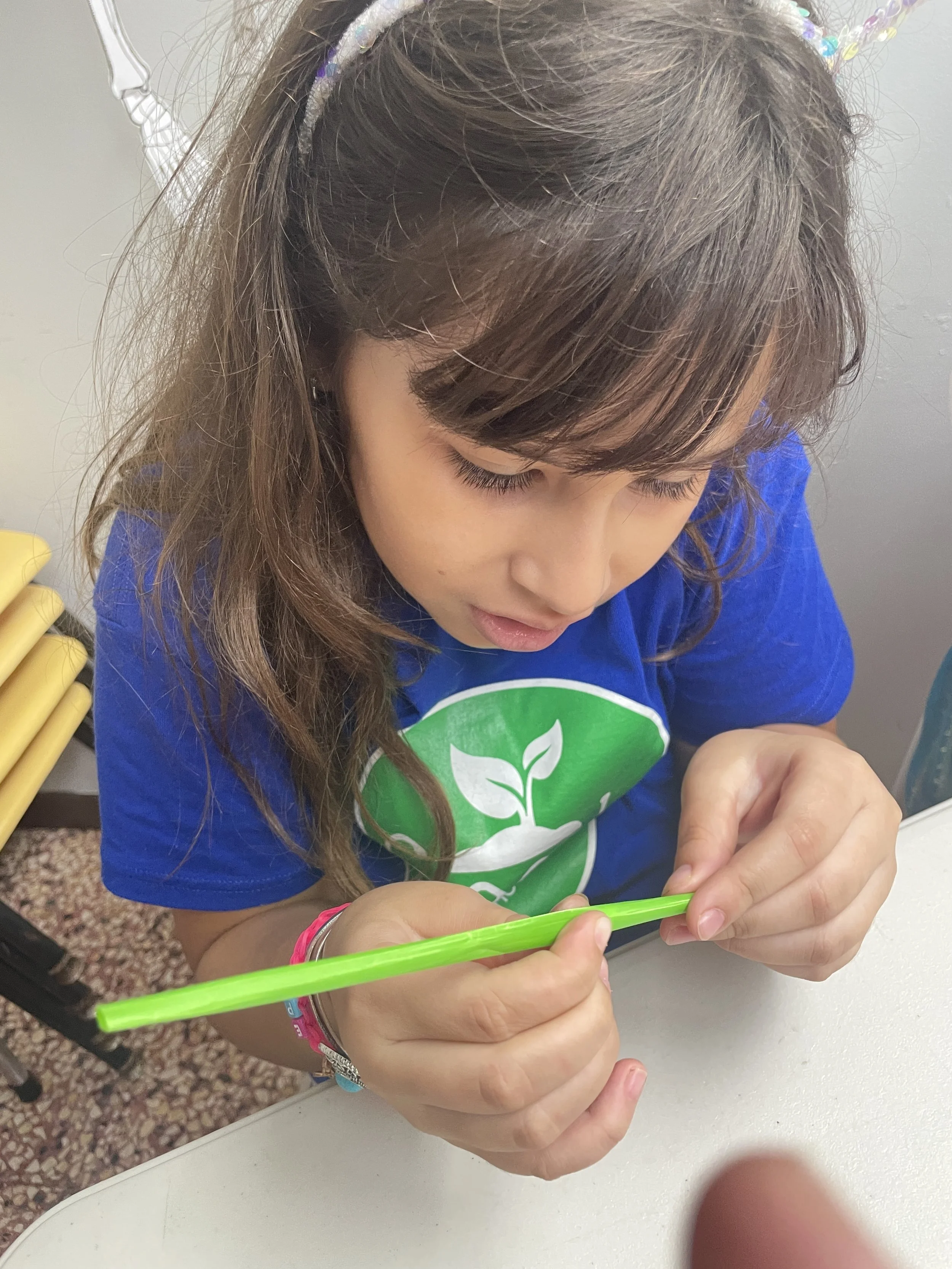
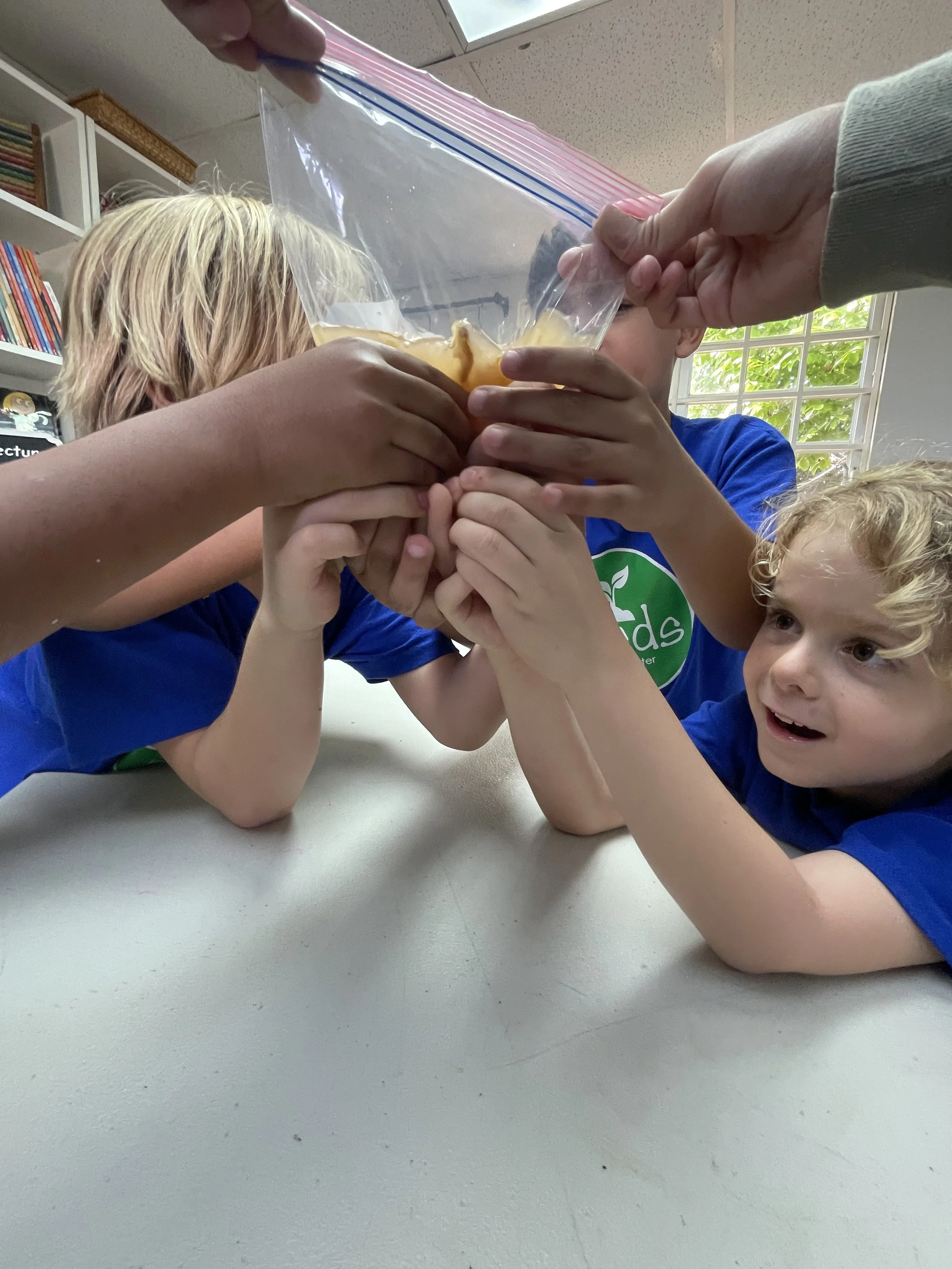
What happens after food is mashed up by our teeth? We followed the journey of food through our carefully designed digestive system. This week, we focused on the food becoming a ball or bolus with our saliva inside our mouth to its journey down the esophagus to the stomach and what happens inside the stomach. After a brief introduction of all the organs involved in the digestive system, we learned about the esophagus and the difference between the esophagus and the trachea, or the other tube behind our mouth. We learned that the trachea is for breathing and that God designed a layer to cover the trachea while we swallow. We discussed the importance of taking small bites and chewing our food carefully to help our body in the work of digestion and to prevent choking. We spoke about our vocal chords and saw a short video that showed how they work and what they look like from the inside. We then used a straw and a small paper ball to demonstrate the process of peristalsis; food doesnt just fall down the esophagus, the muscles pushes it down just like our fingers move and push down the ball. Then, we learned what happens after the bolus enters the stomach: the stomach juices break down the food and the muscles mash the food even further to create a thick liquid called chyme. This happens to prepare it for the next step in the small intestine. We used a small ziplock bag to resemble the stomach and each student in the group put a piece of bread inside. Then we poured some water and vinegar and sealed the bag. The kids mimicked the work the stomach does to break down the food. They noted how much it resembled vomit and we talked about what happens when the stomach pushes the food up and why it looks they way it looks. It was a fun and slightly gross way to learn about digestion.
**Please remember to make your skeleton as we will ADD THE DIGESTIVE SYSTEM NEXT WEEK. Here are the details:
You will find the reproducible pages in the *Body Book* that was included in your book package. *It is best that you make these copies in cardstock paper so the skeleton is sturdier.*
These are the pages you need to copy:
1. Skeleton Base p. 54-60
2. Digestive System p. 93-98
3. Respiratory System p. 104-107
4. The Heart p. 118
5. The Urinary System- p.122
** Remember that if you have more than one child, you can choose to make one together instead of more than one. That is up to you.***
SUGGESTED READINGS
Encyclopedia of the Human Body
pgs. 36
STUDIO TIME
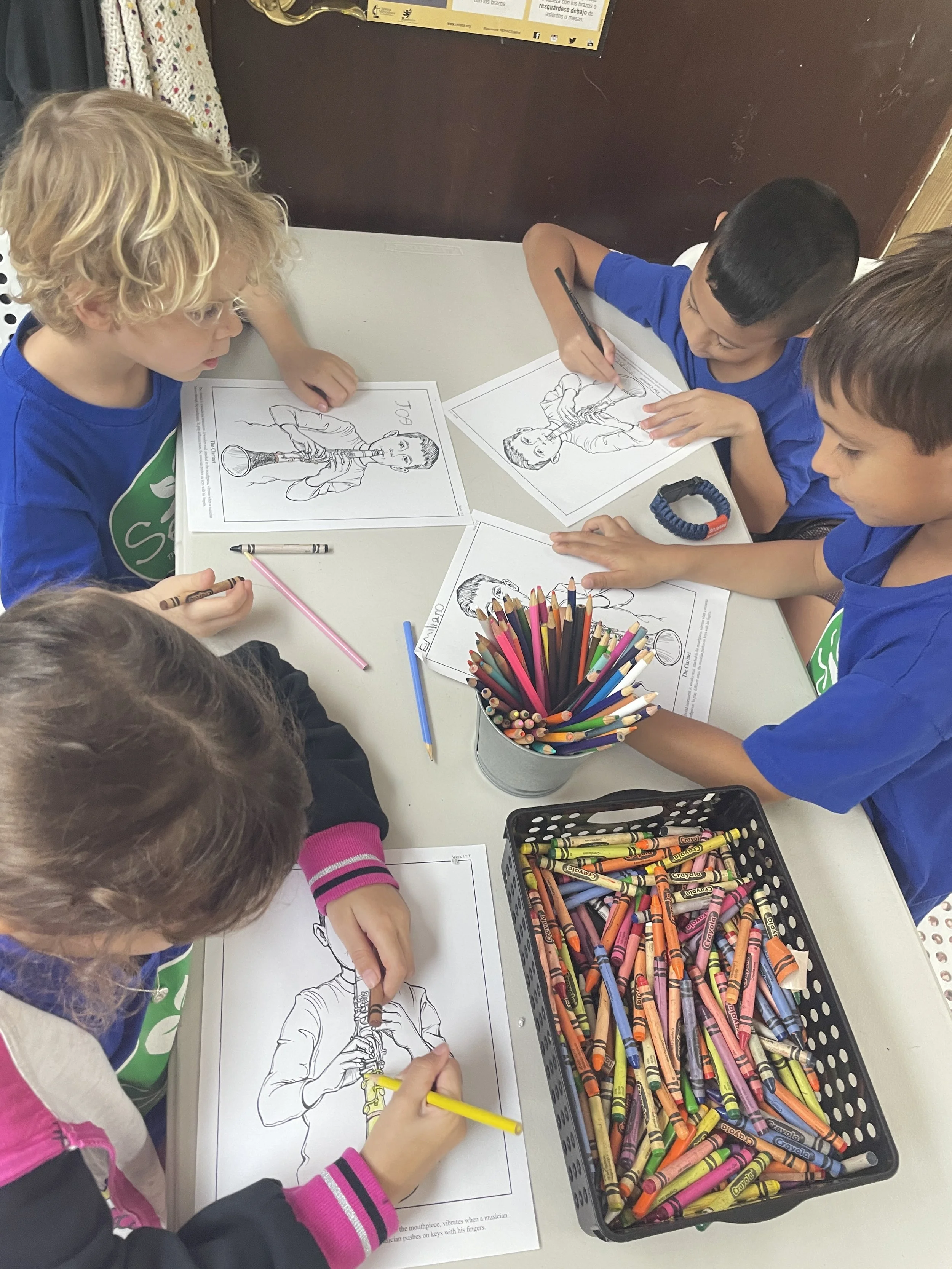
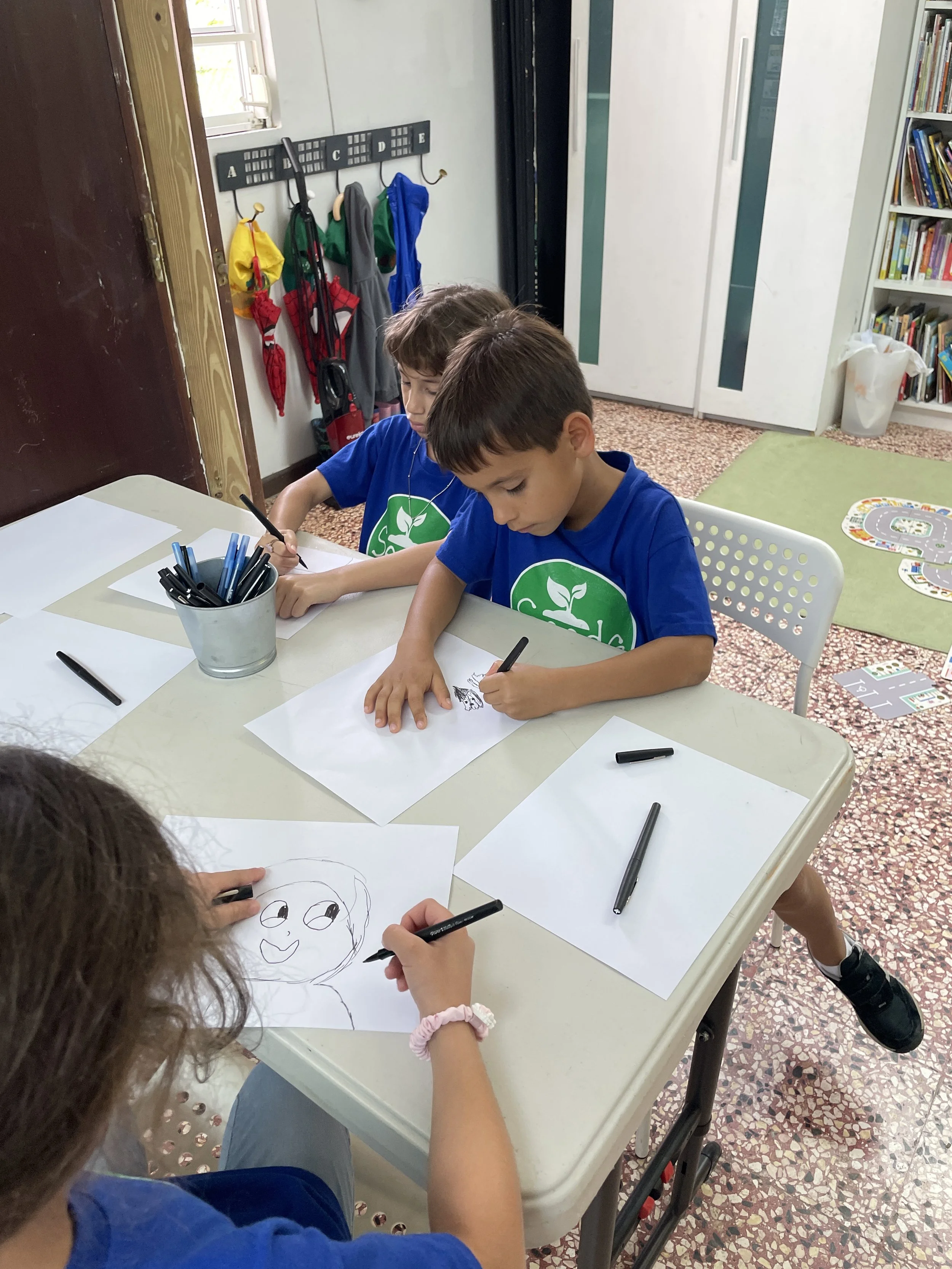
In studio time we learned more about the orchestra. This week, the focus was on the woodwind instruments. We enjoyed a beautiful clarinet concerto by Mozart while coloring in a sheet for our binders.
HISTORY
We learned more about the Islamic Empire of the Middle Ages this week and worked on making maps that showed how this empire spread from the Arabian peninsula to cover much of Northern Africa, southern Spain and the Middle East into parts of modern-day Pakistan. Some of the students continued working on their mosaics, which we learned, were also used in many of the geometric patterns of Arabian art.
SUGGESTED READINGS
World History from Ancient to Modern Times.
pgs. 112-113
The Oaks Program
BIBLE
We have also been memorizing 1 Corinthians 13 in class before our time of reading More than a Carpenter. It reminds us that no amount of head knowledge can replace the faith that comes as a gift from the Lord and is expressed in our love for God and one another. In this week’s chapter, we began to discuss how the conversion of Paul, who was a trained Pharisee and was extremely dedicated to the law, is strong evidence for the gospel.
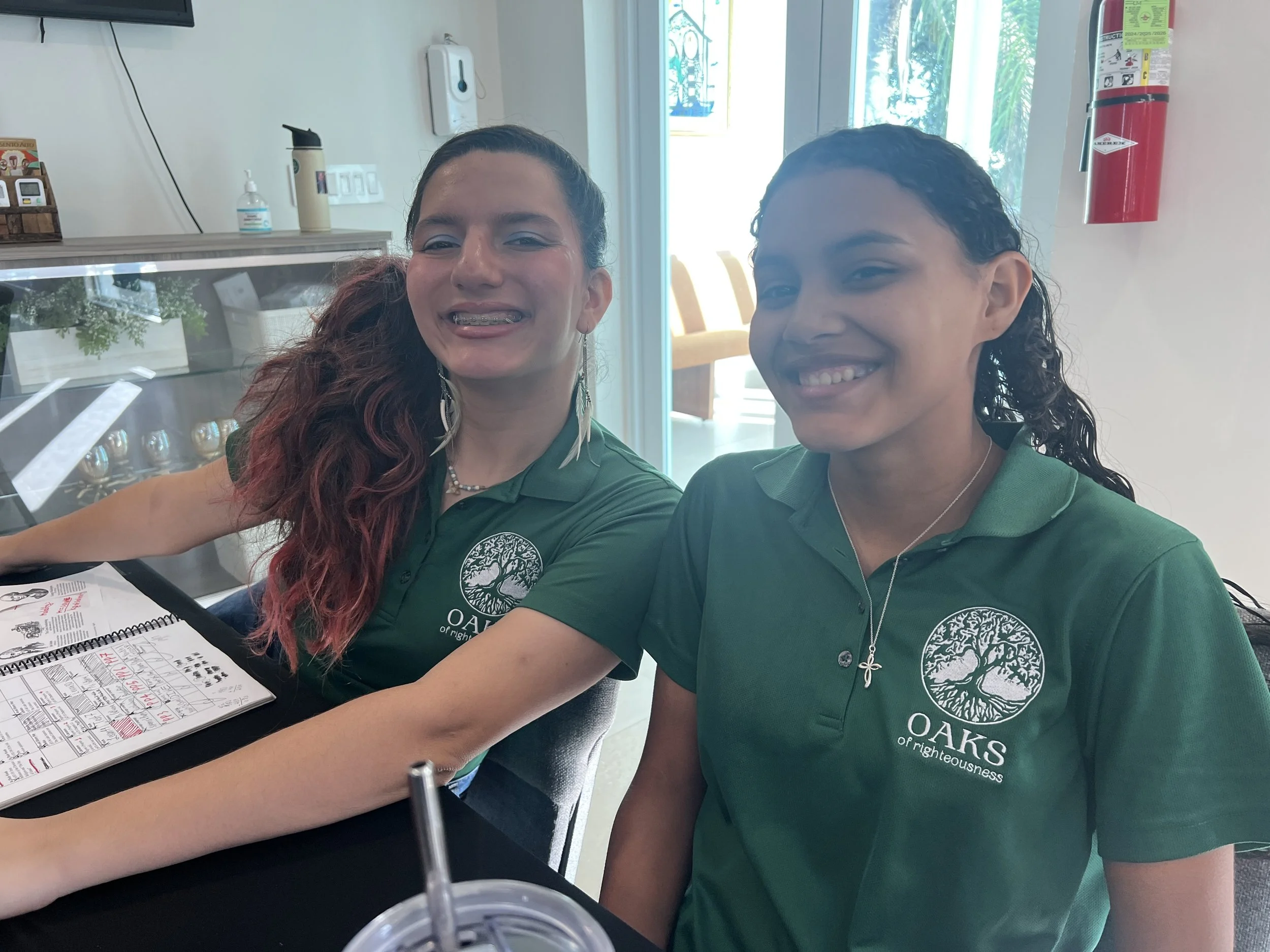
And Happy Birthday to Channeliz who was honored for her 15th!
SCIENCE
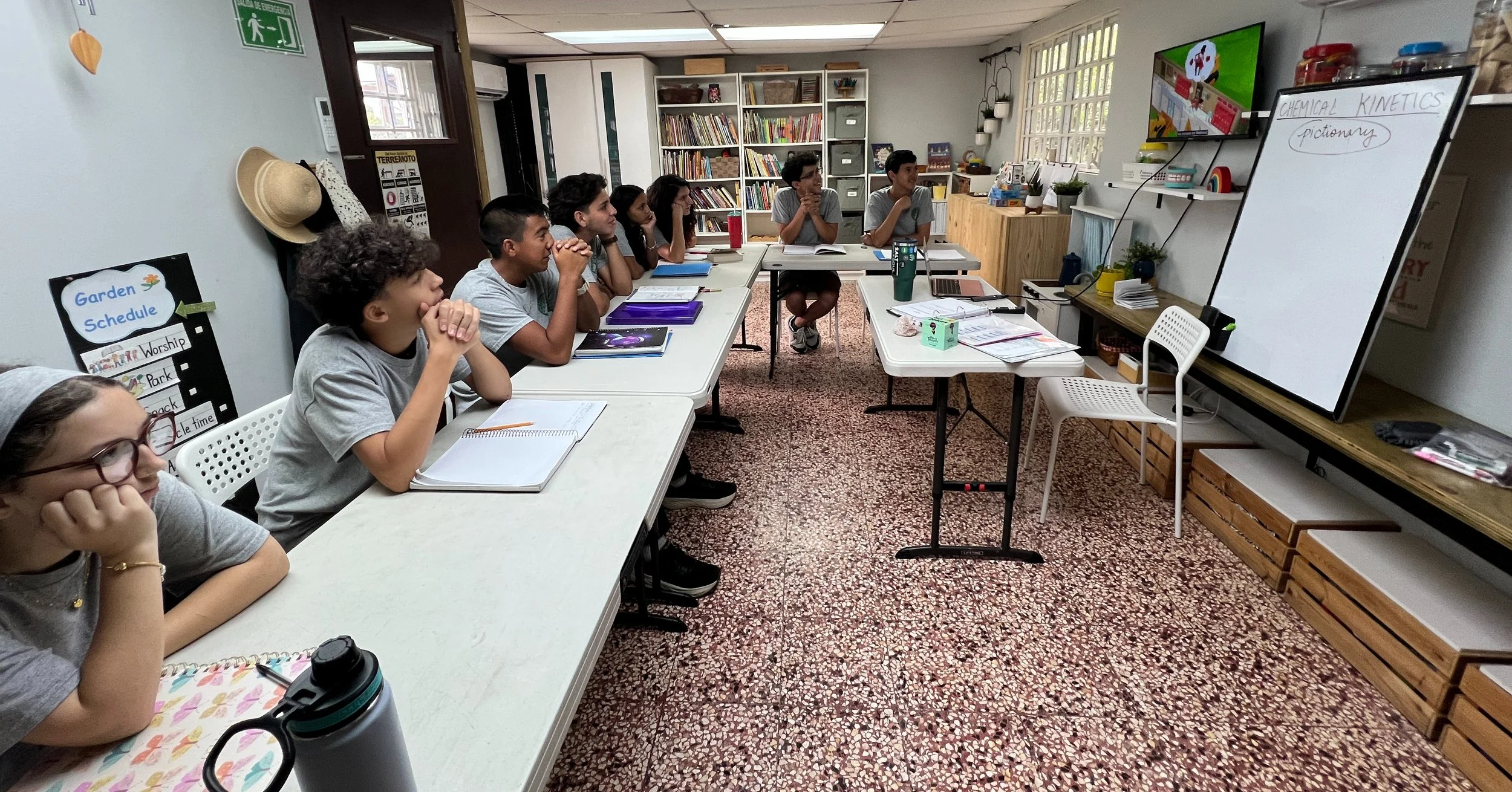
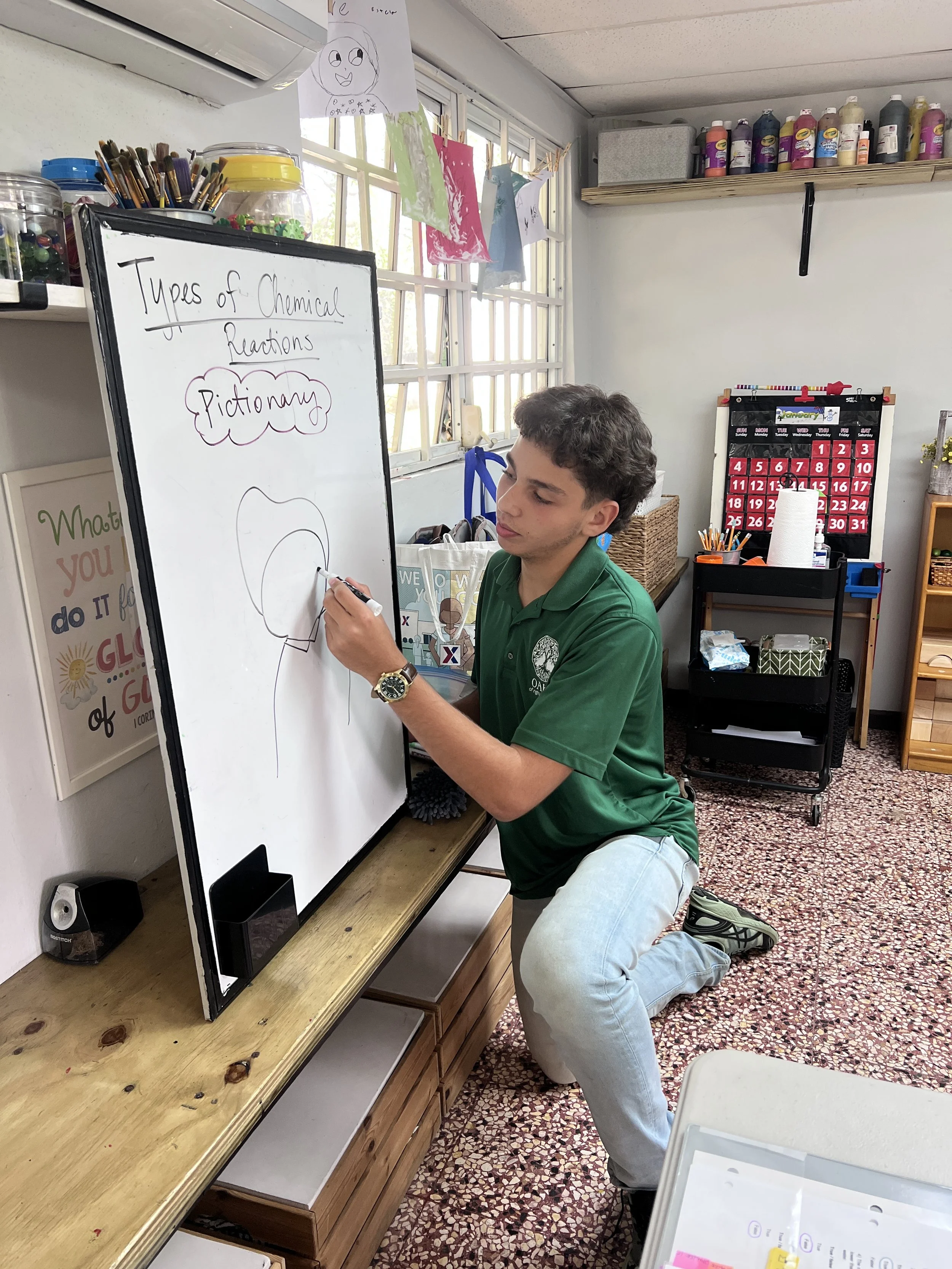
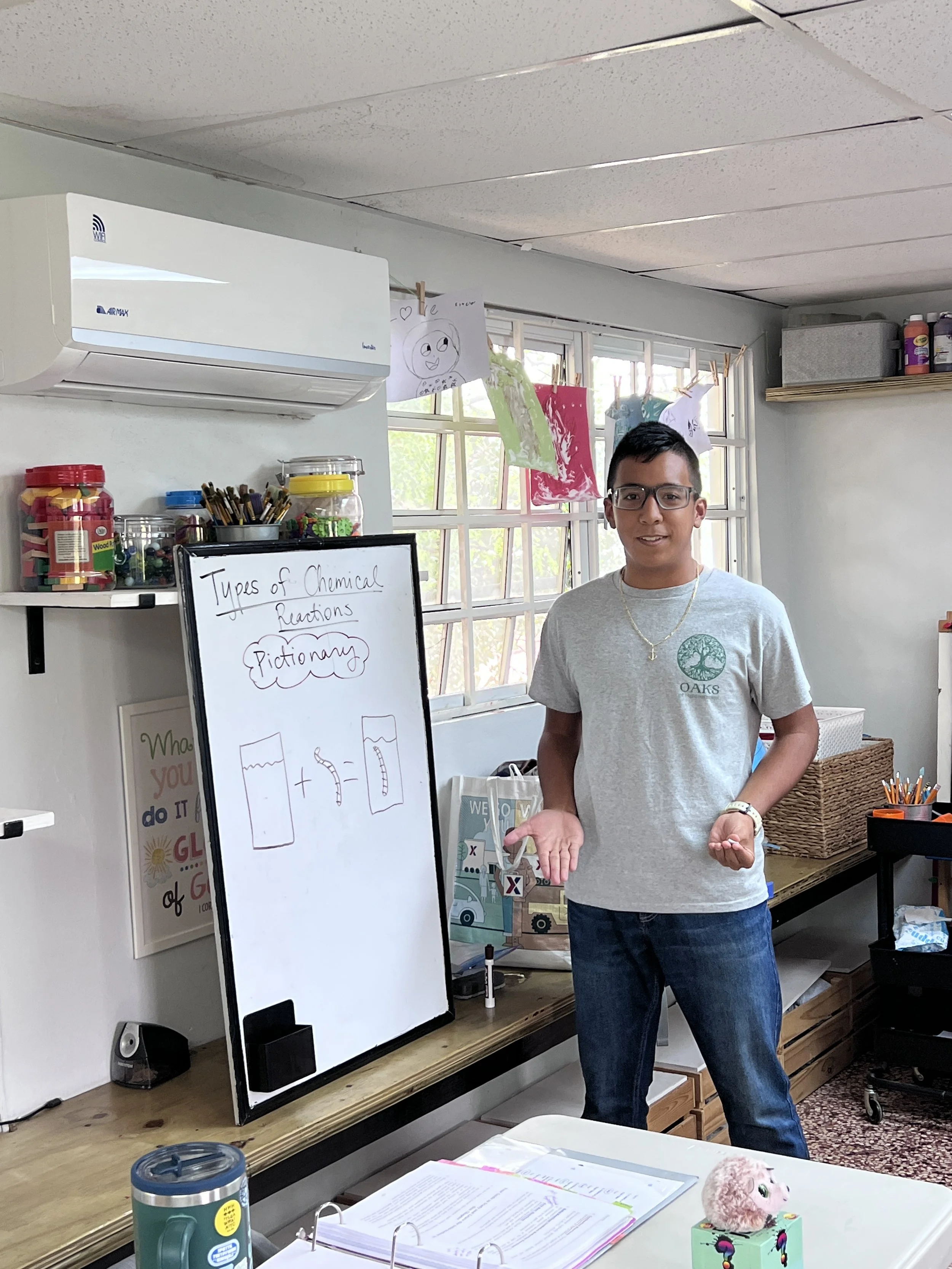
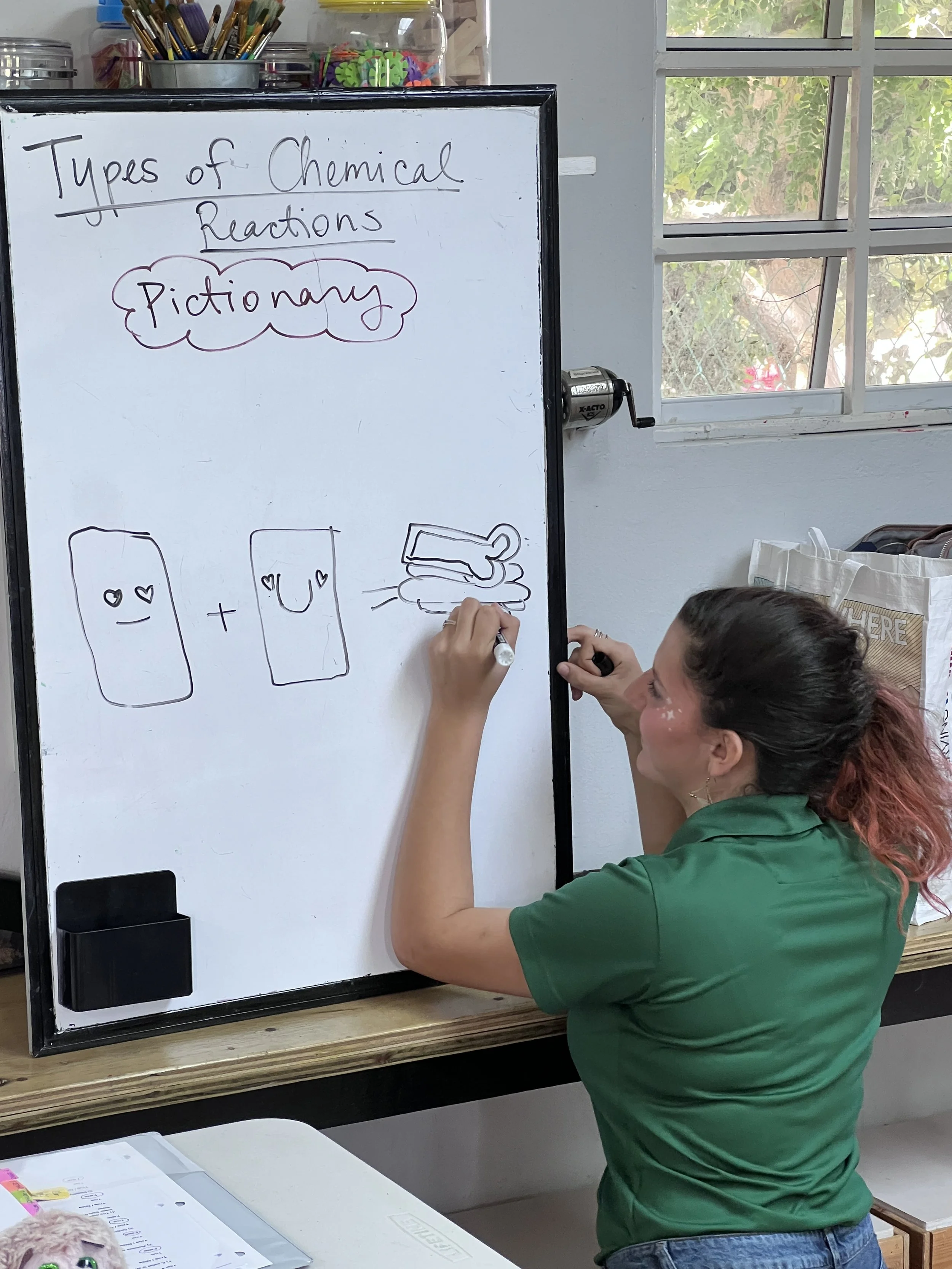
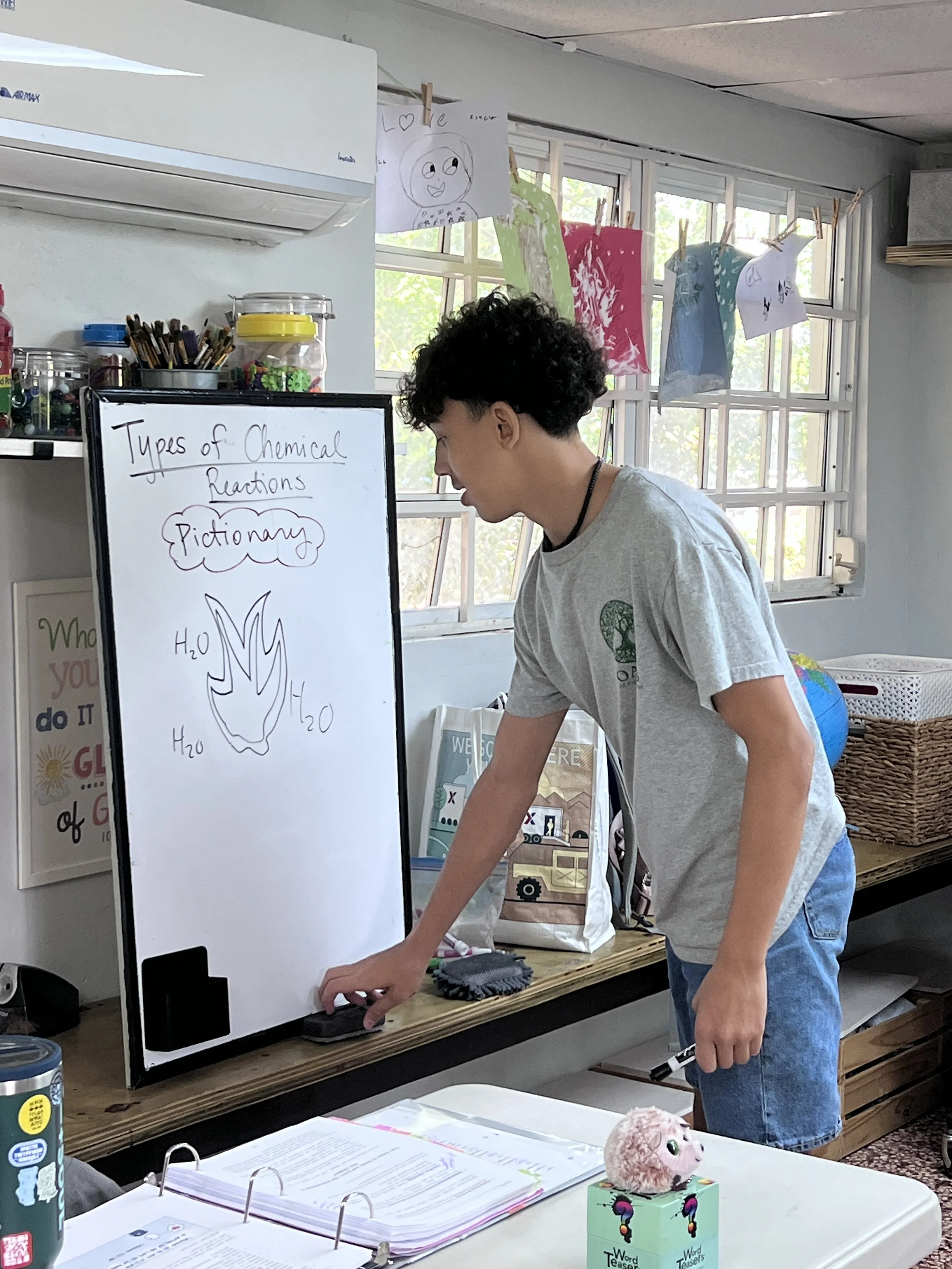
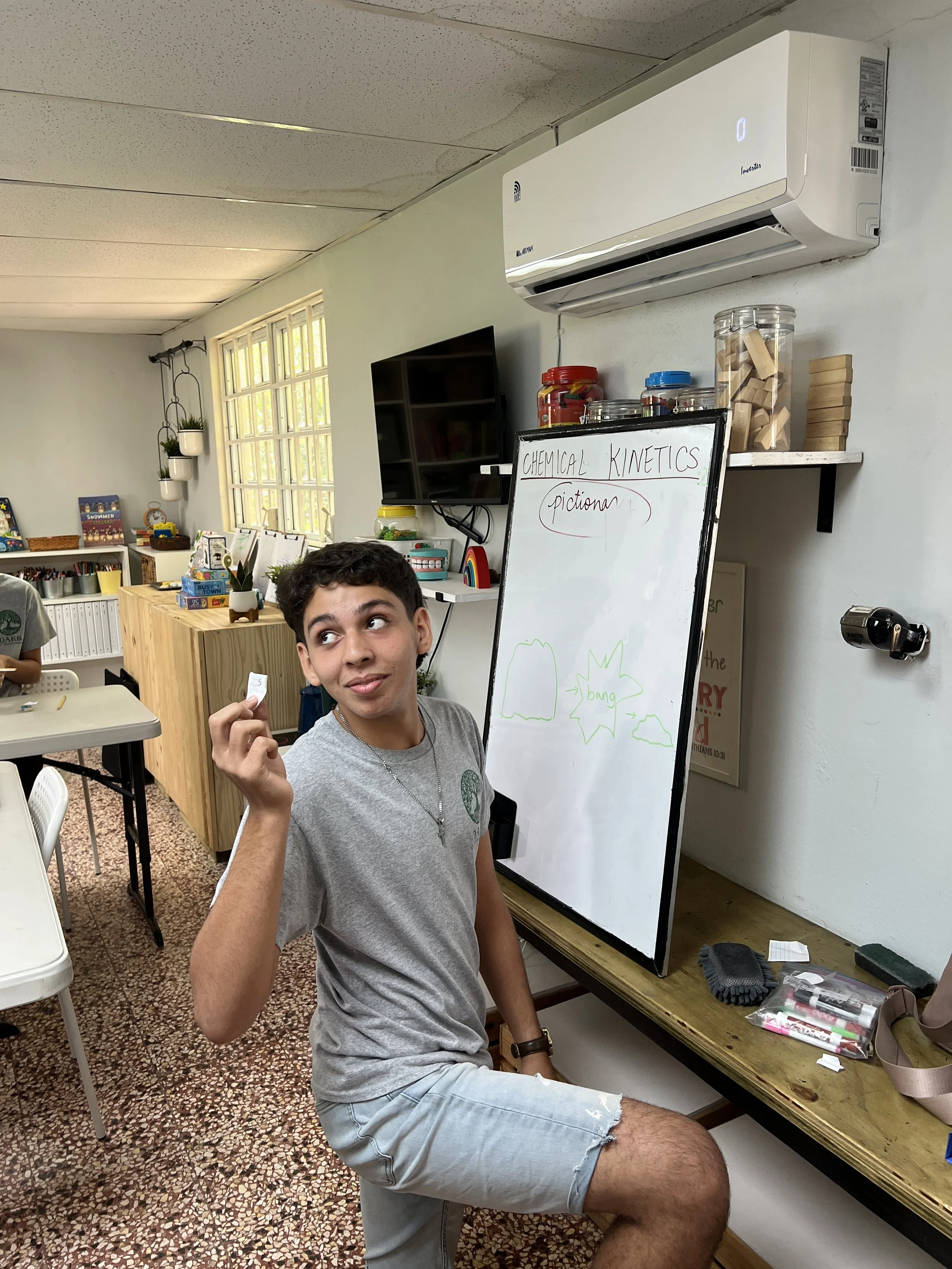
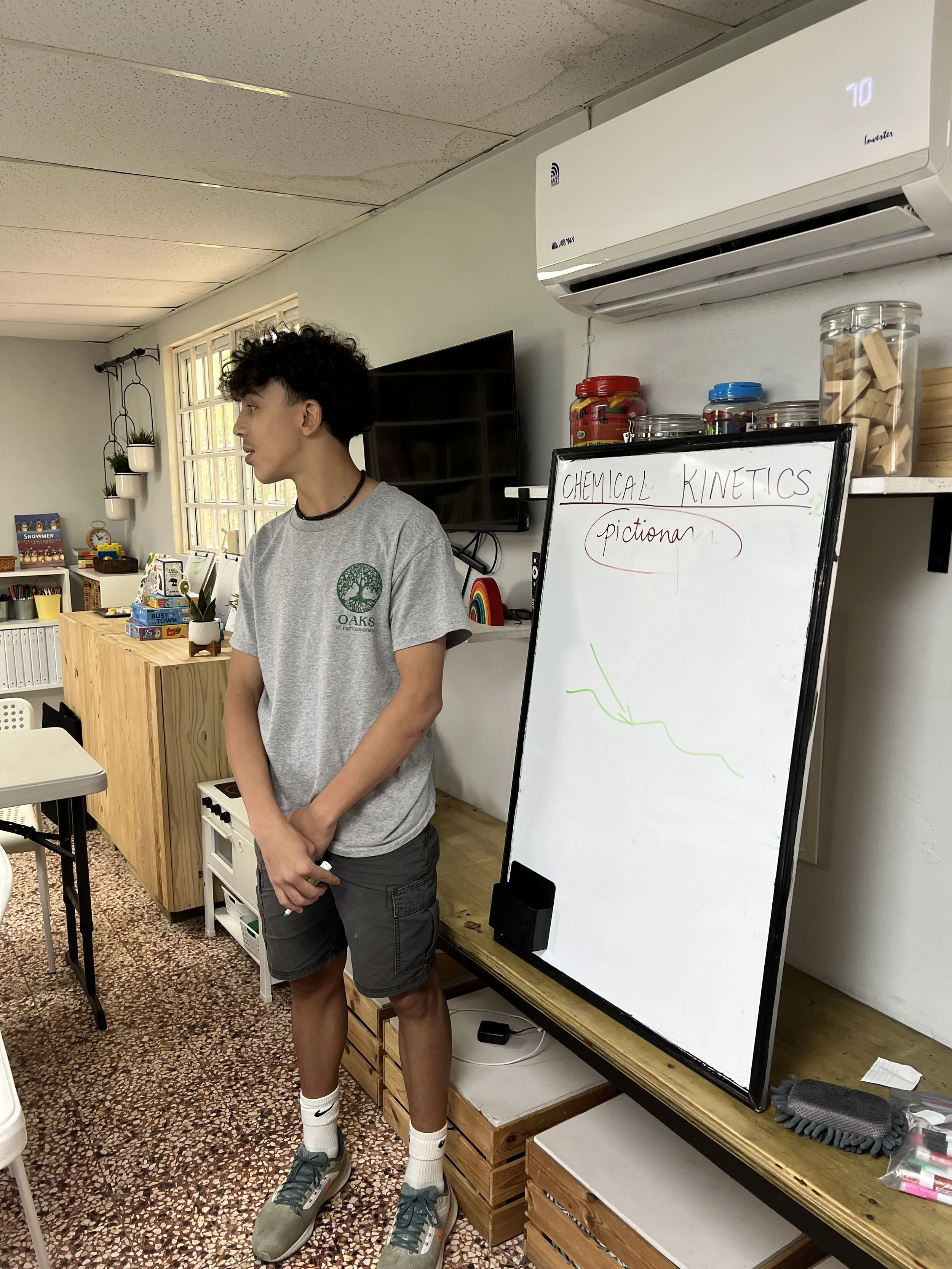
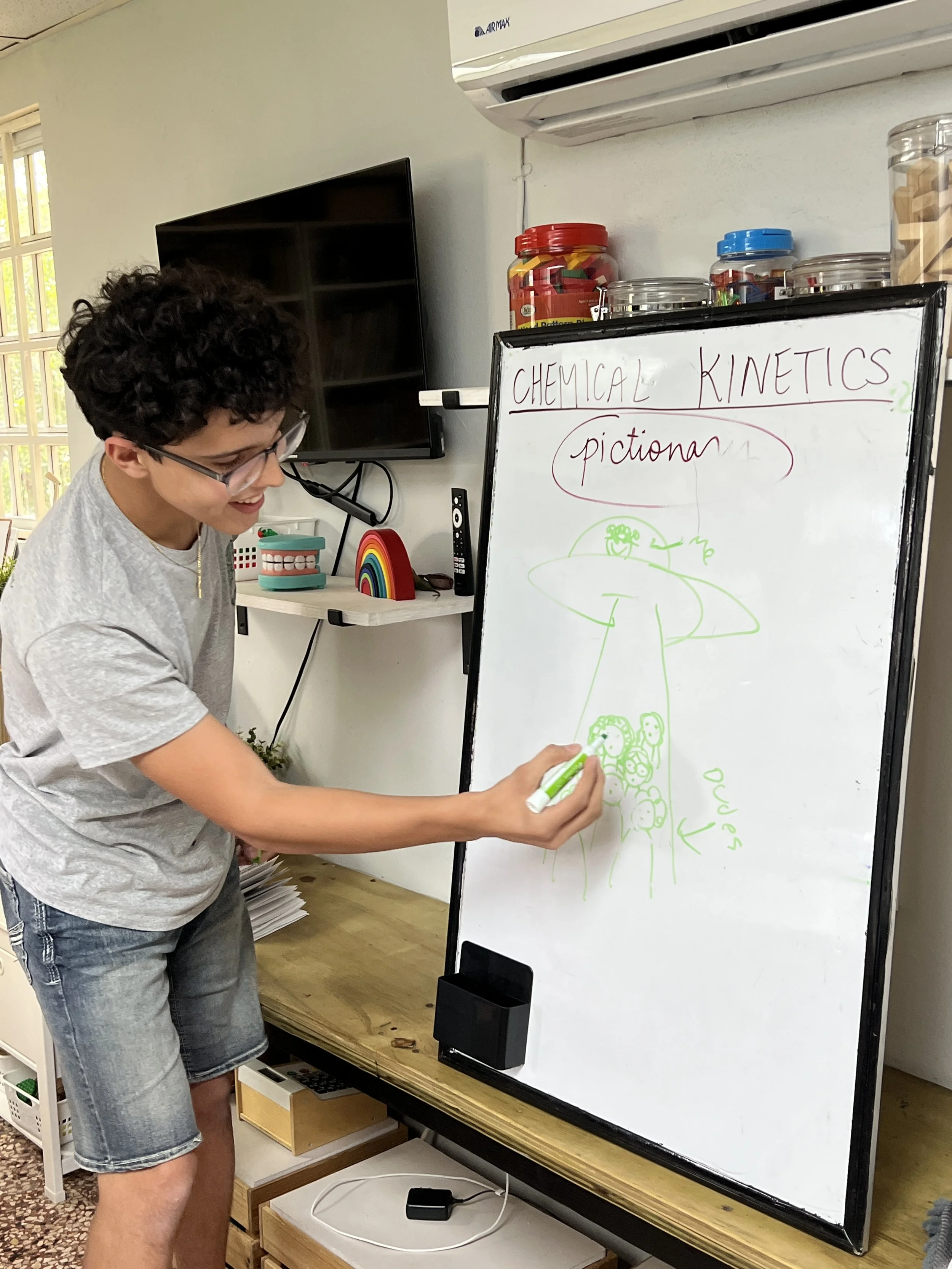
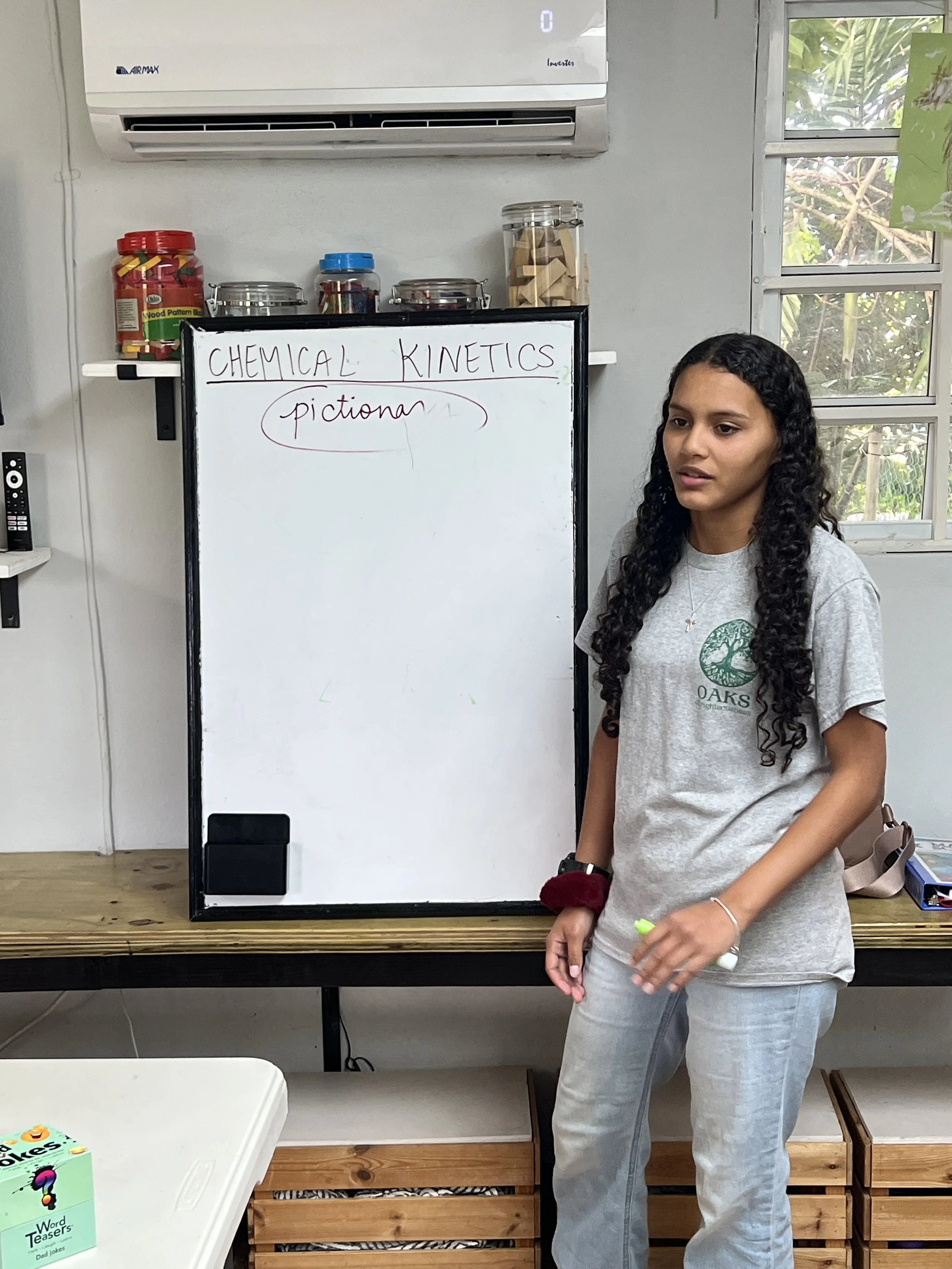
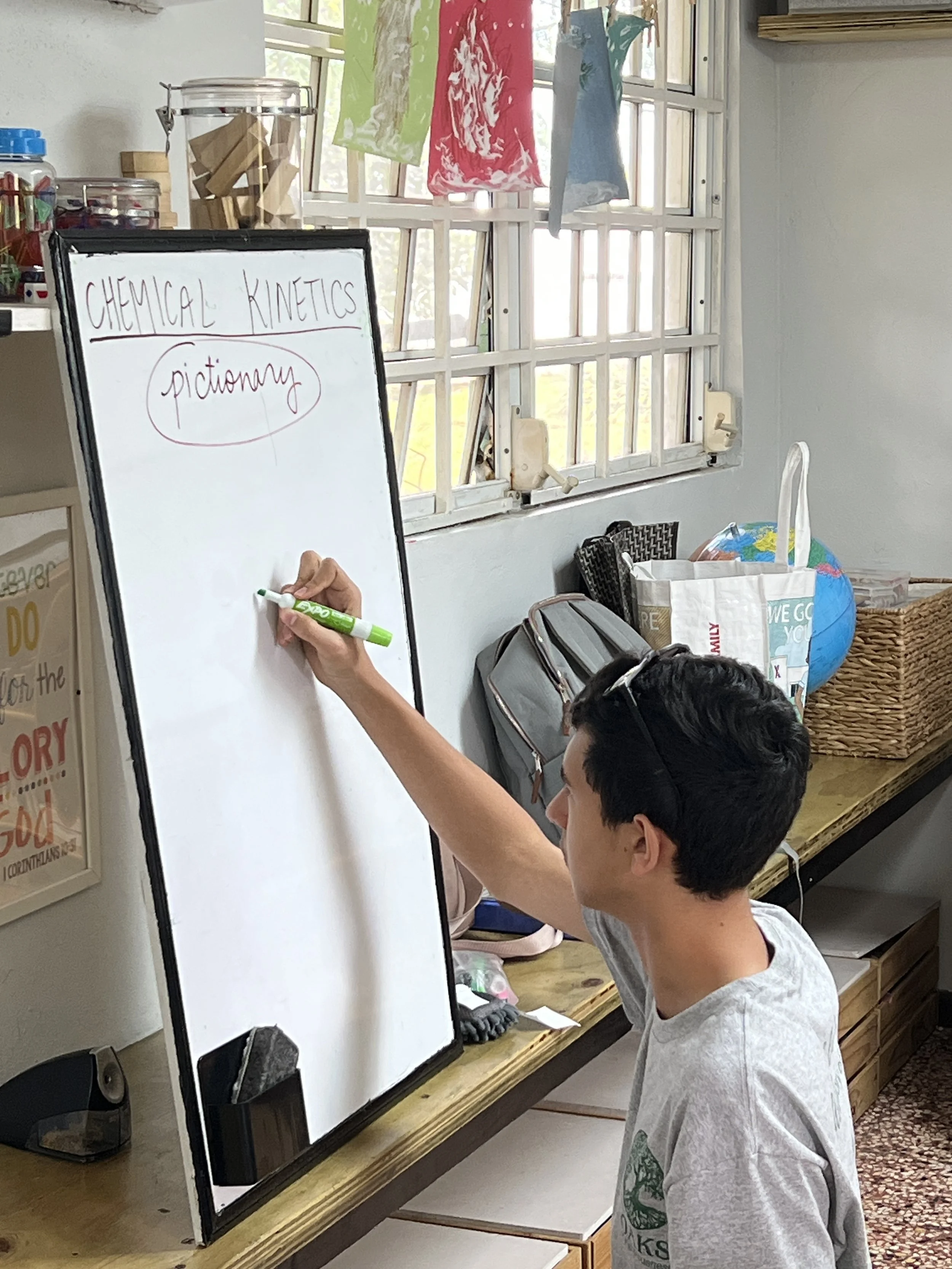
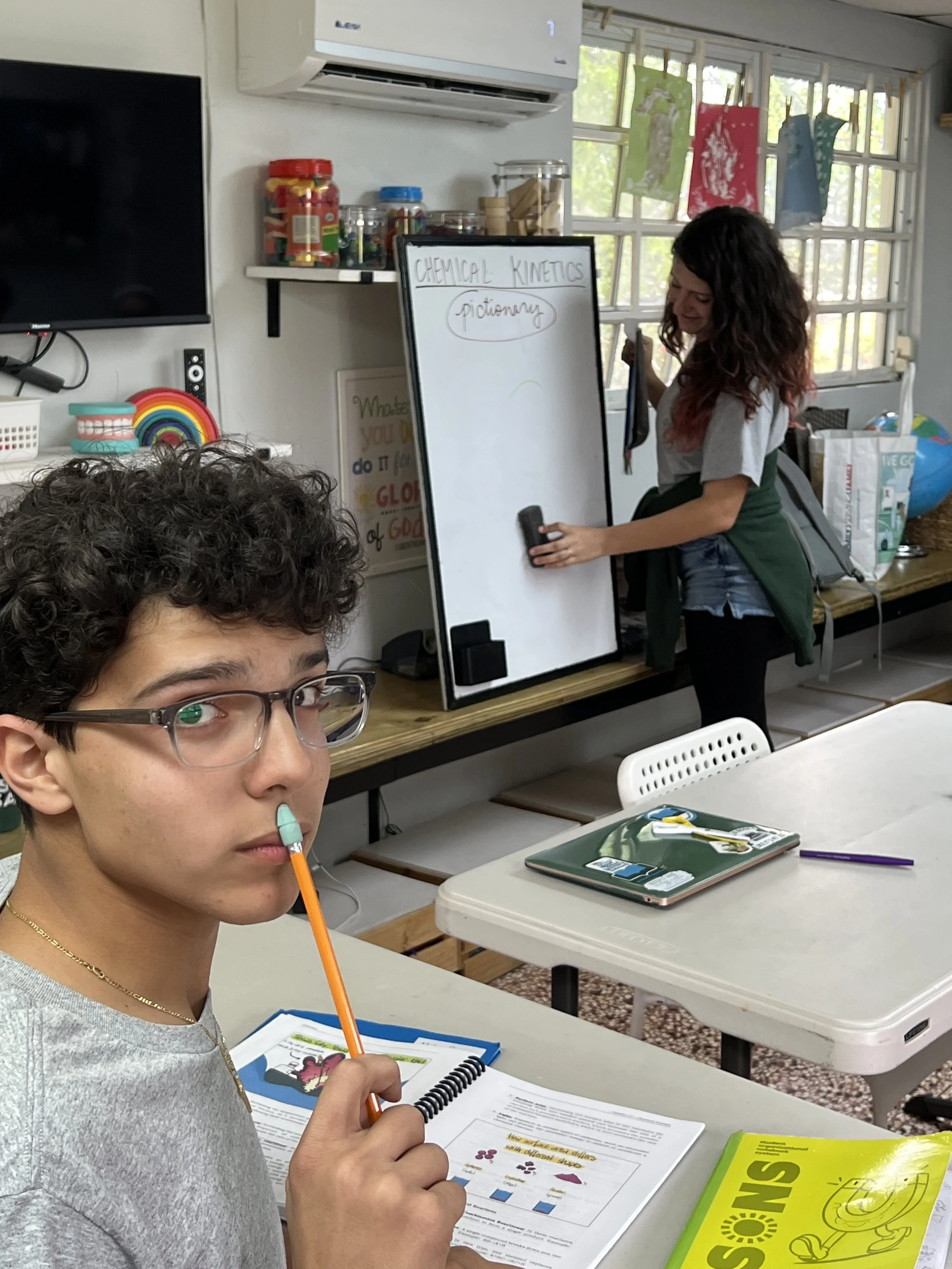
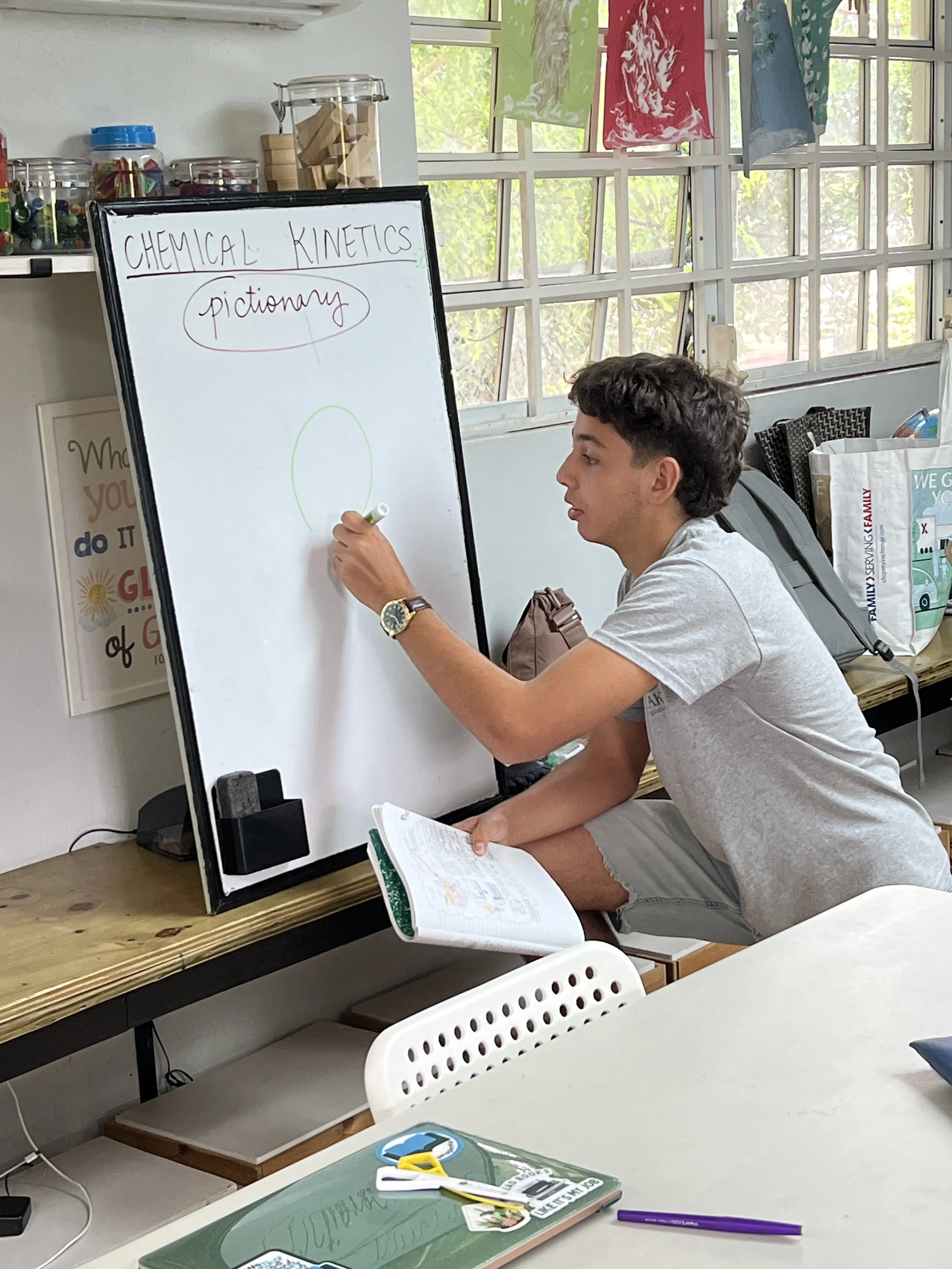
In Chemistry this week, the students learned about chemical kinetics-the rate of a chemical reaction and what affects the occurrence of a reaction. Some of the factors that speed up a chemical reaction are light, temperature, and surface area. The students also learned about six types of chemical reactions, such as synthesis and decomposition. As a form of retrieval practice, the students got to play pictionary for both topics.
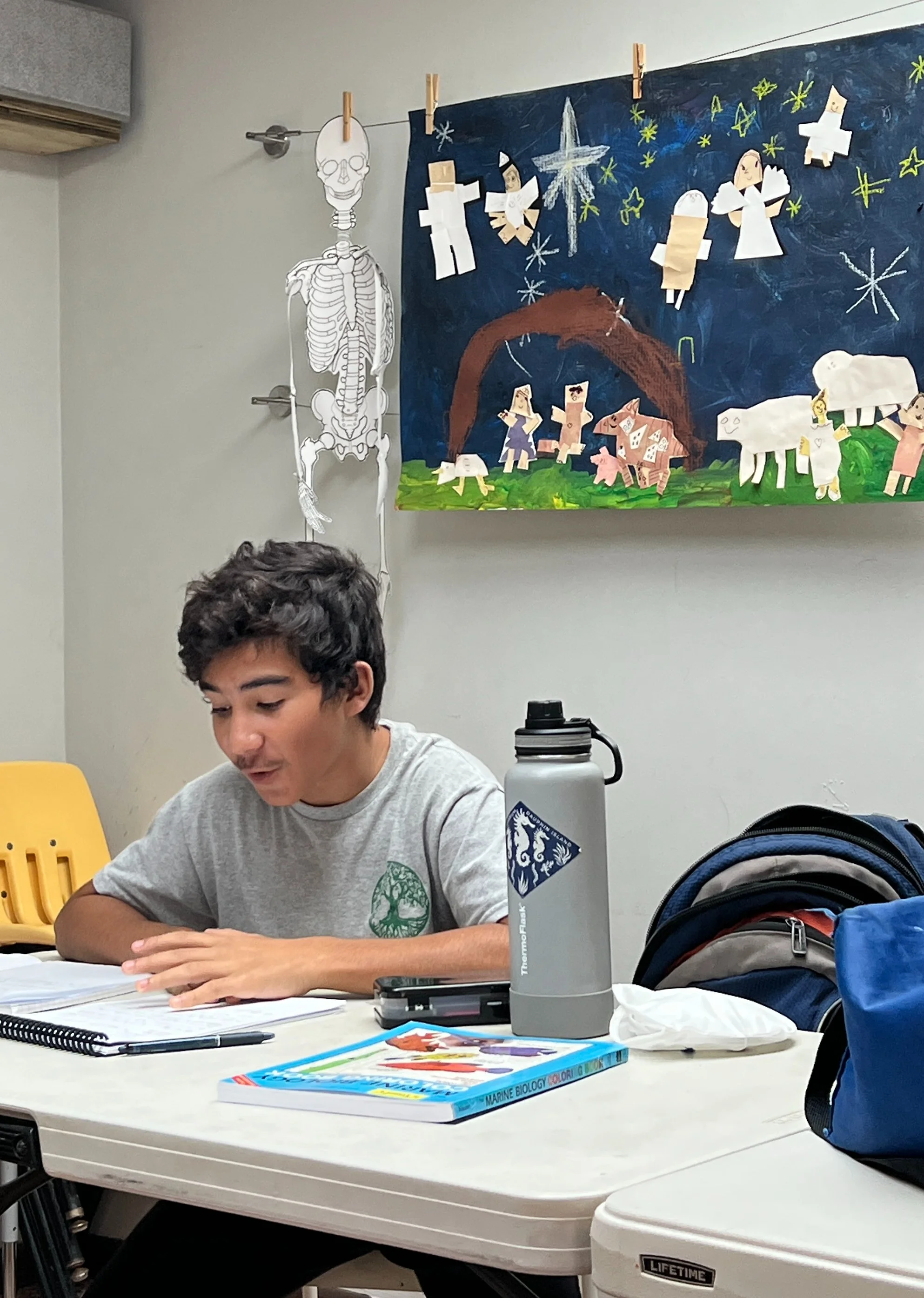
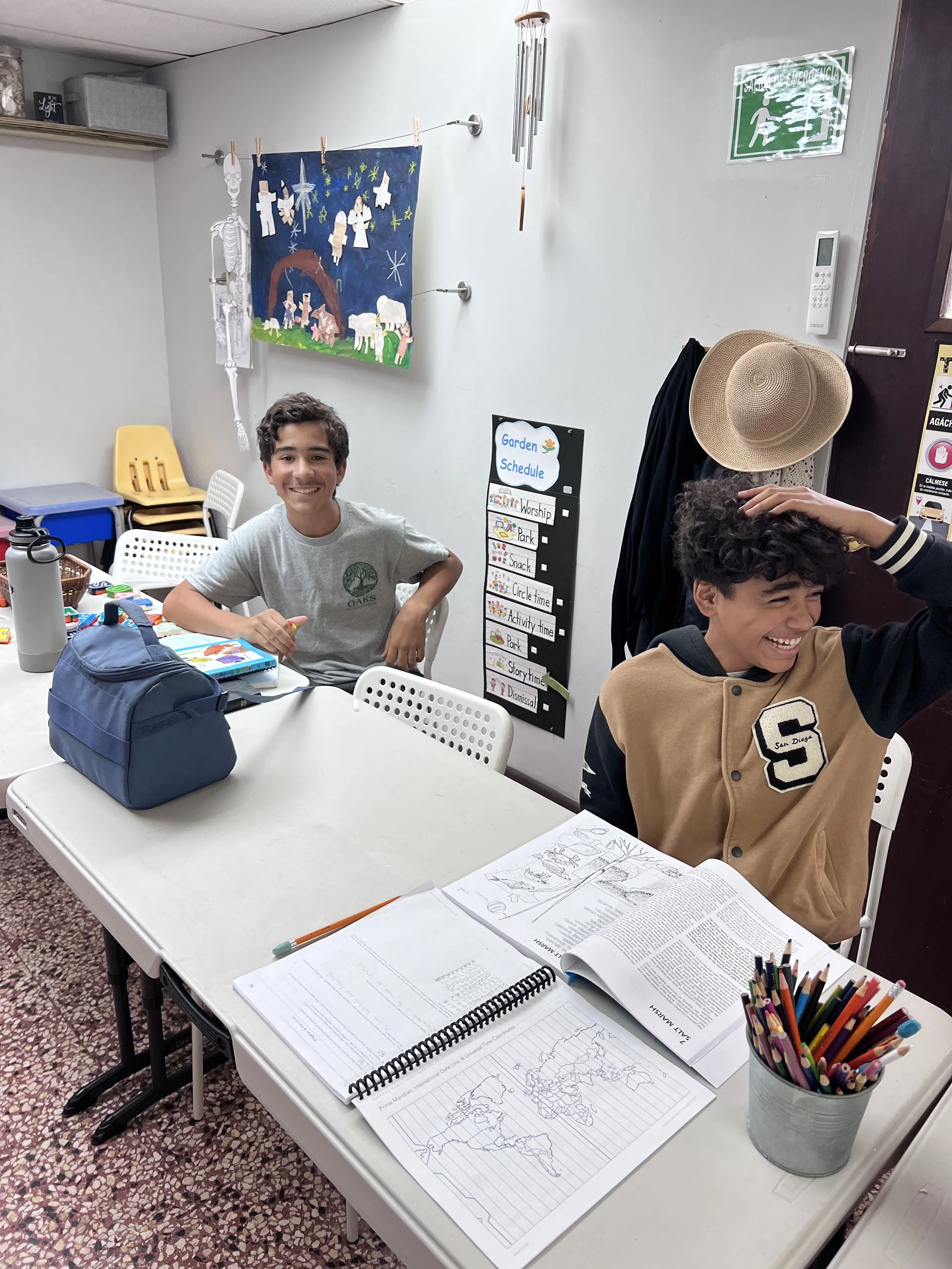
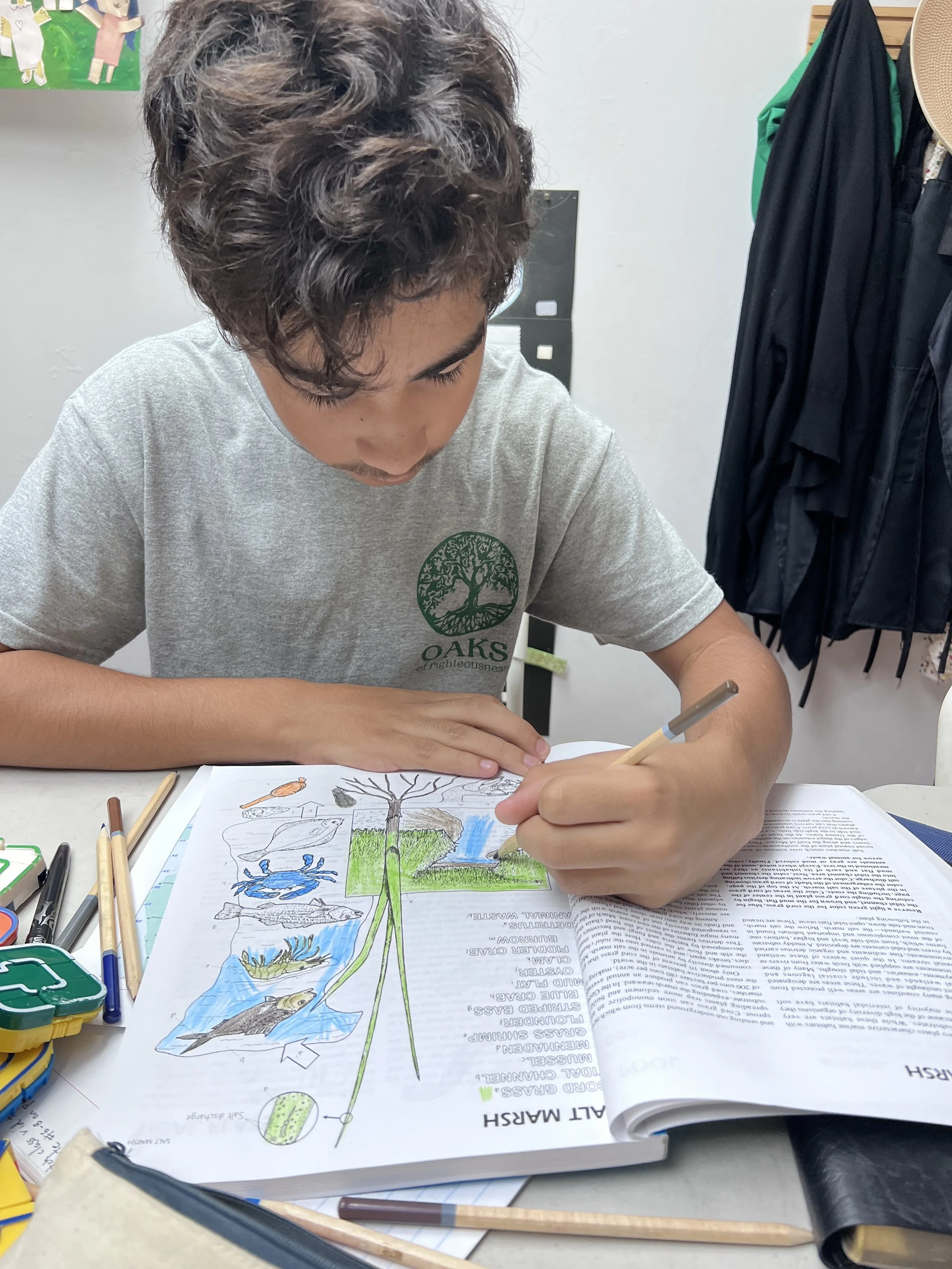
In Marine Science this week, the students learned about navigation and the lines on a map such as latitude, longitude, the Prime Meridian, and the International Date Line. The students were also able to practice labeling the coordinates of certain cities in the US. And in their Marine Biology coloring book, they read about and colored tide pools and salt marshes.
HISTORY
The students in this class watched a video of the spread of the Islamic empire and the influence of Mohammed. They also read more information about this topic in their book, Streams of Civilization, while making notes on some key terms in the readings.
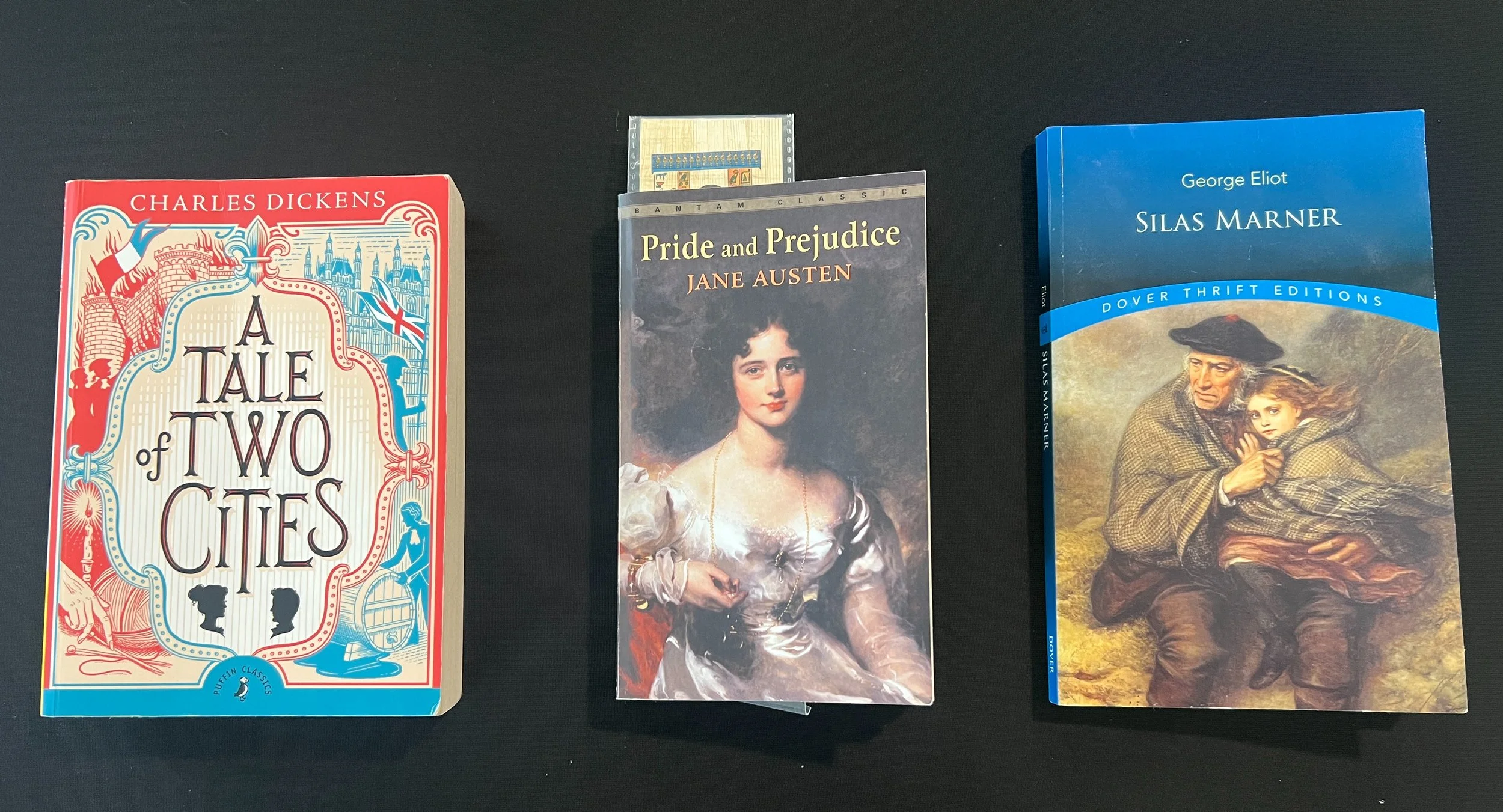
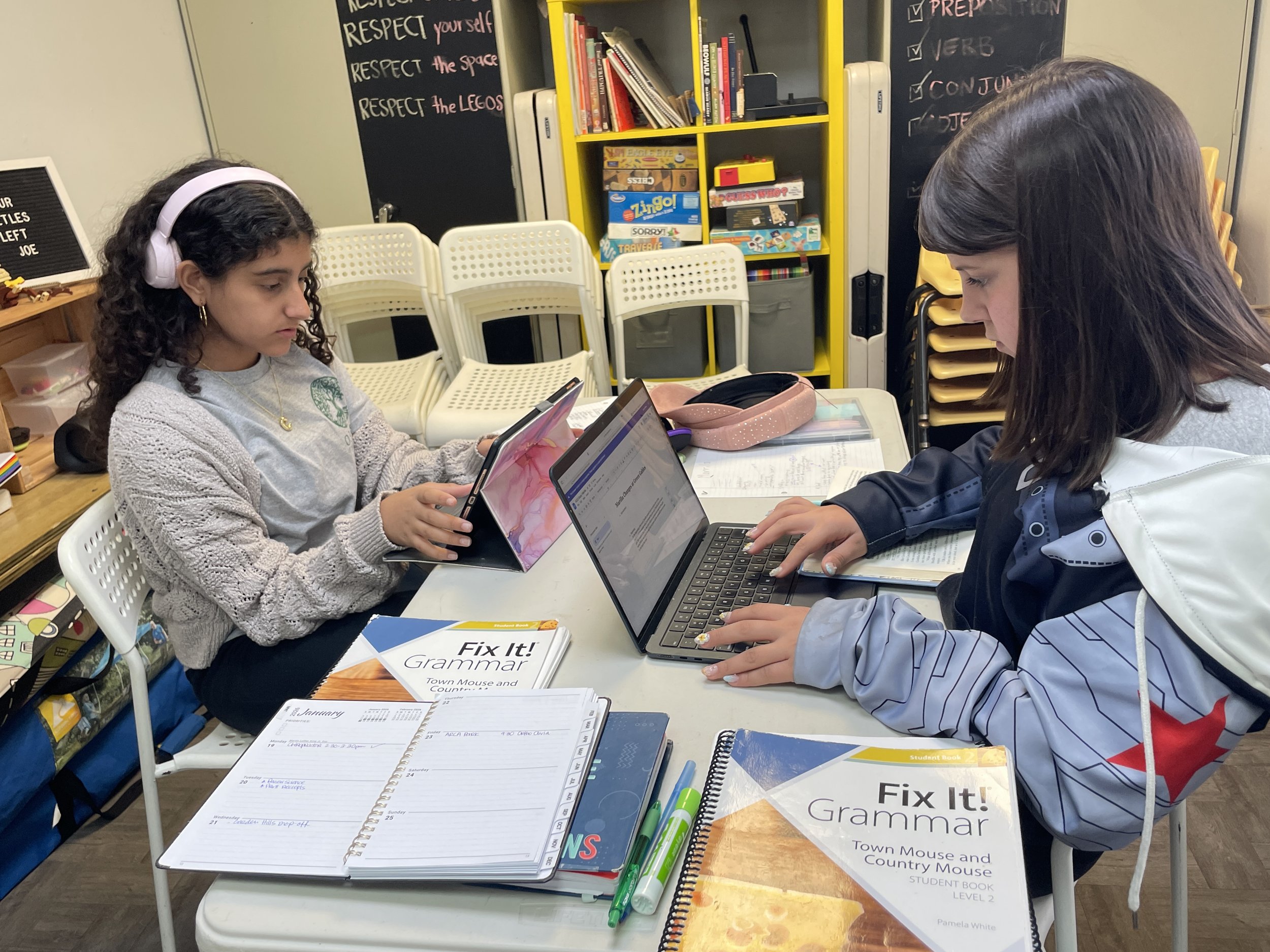
Our high schoolers began the “Age of Reason” novel projects this week. They will be choosing between the three classic books, A Tale of Two Cities, Pride and Prejudice and Silas Marner, while some of our middle schoolers began working on their essay for Anne of Green Gables.
SUGGESTED READINGS
Streams of Civilization
pgs. 258-264
World History from Ancient to Modern Times.
pgs. 112-113

Registration is still open! Our classes for our Spring Arts Classes begin this Tuesday, January 27.
Seeds Memory Verse Song
“If I speak in the tongues of men and of angels, but have not love, I am a noisy gong or a clanging cymbal (Clang, clang, clang). If I have great power and understand, all mysteries, and all things, and if I have the faith to remove mountains, but have not love...I am nothing!”