Week 28: We all Scream for Ice Cream!
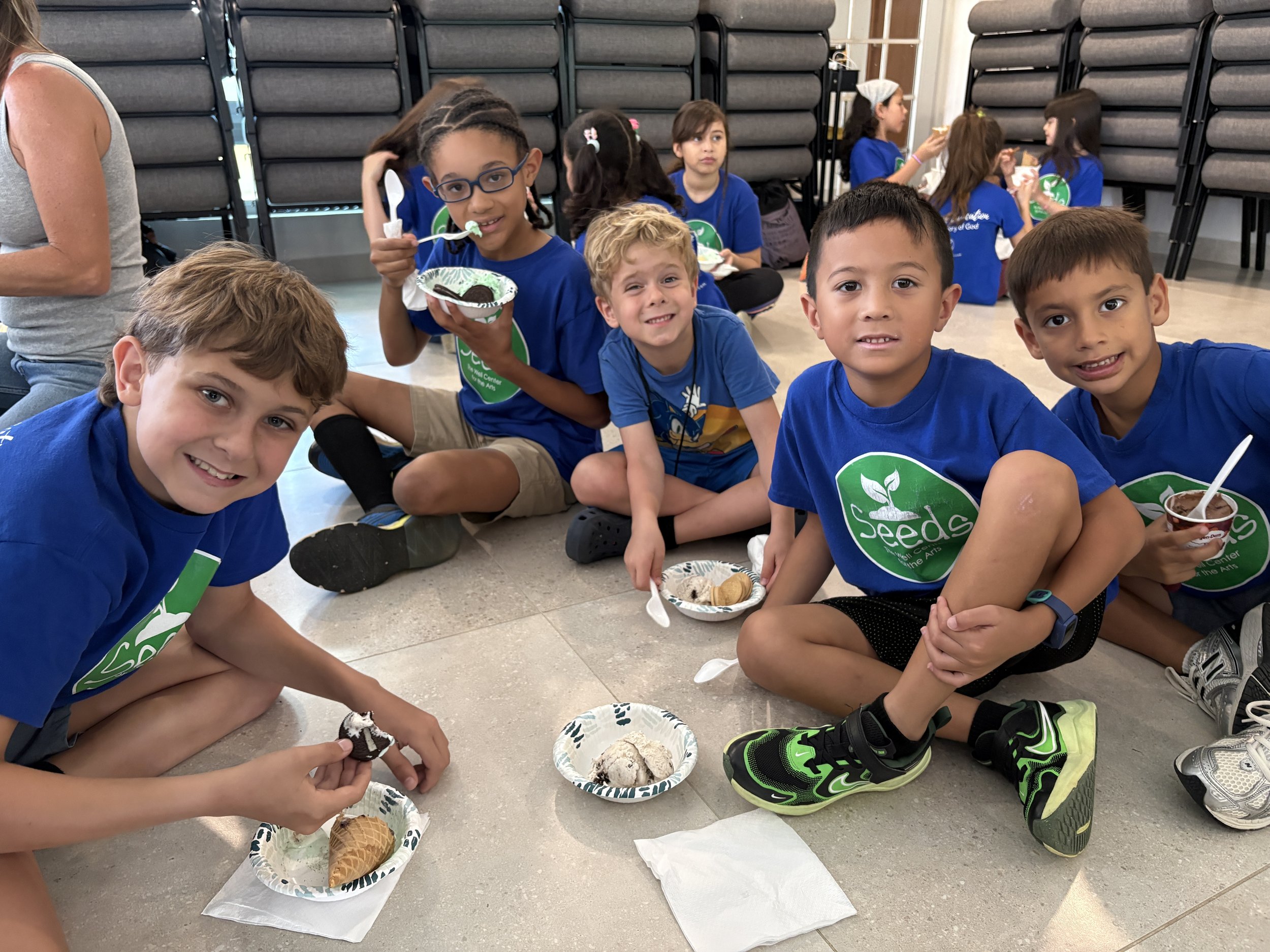
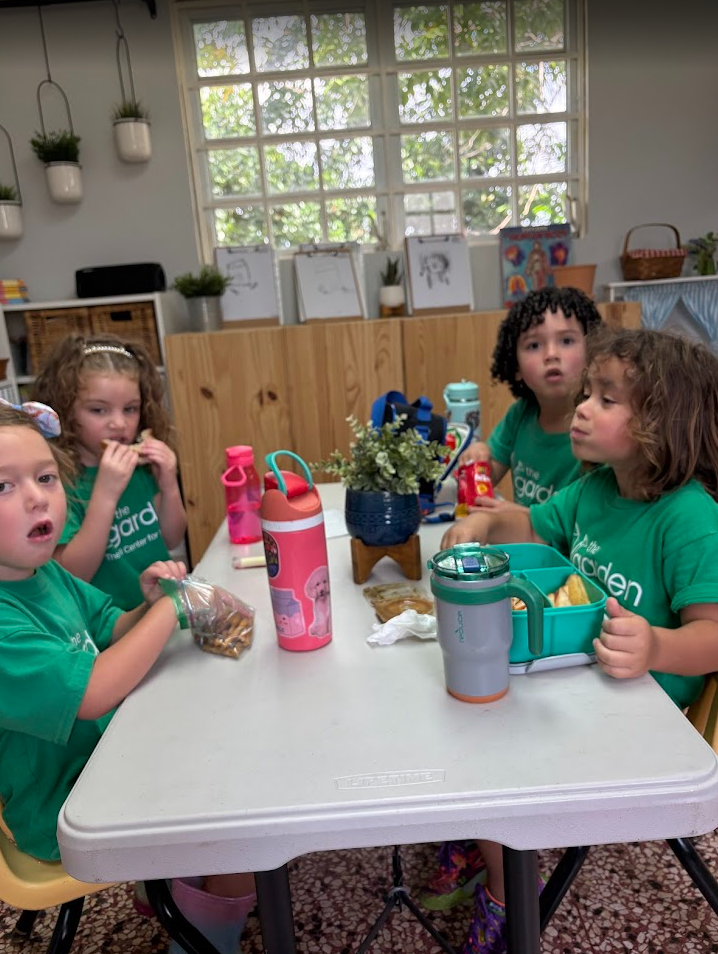
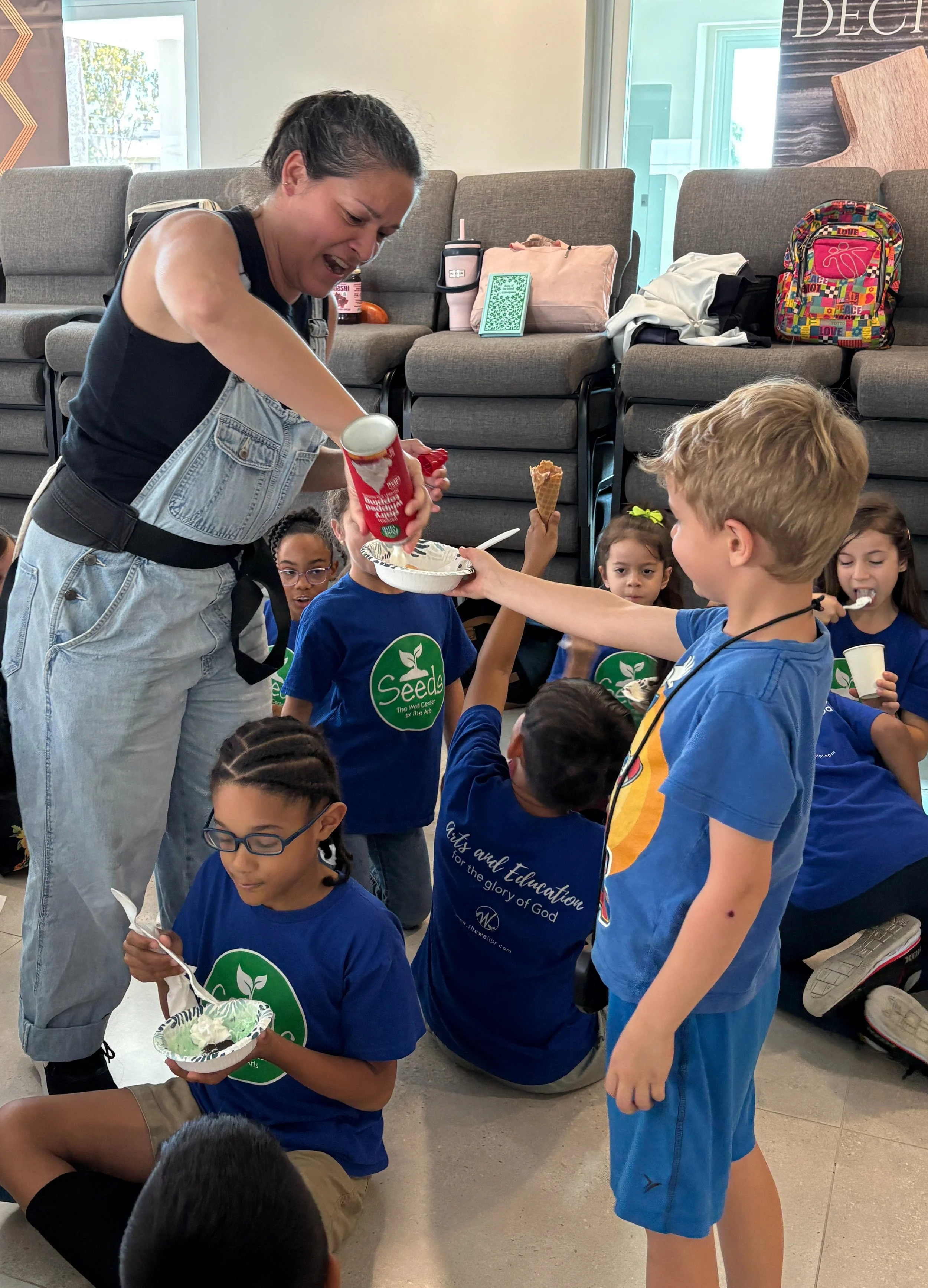
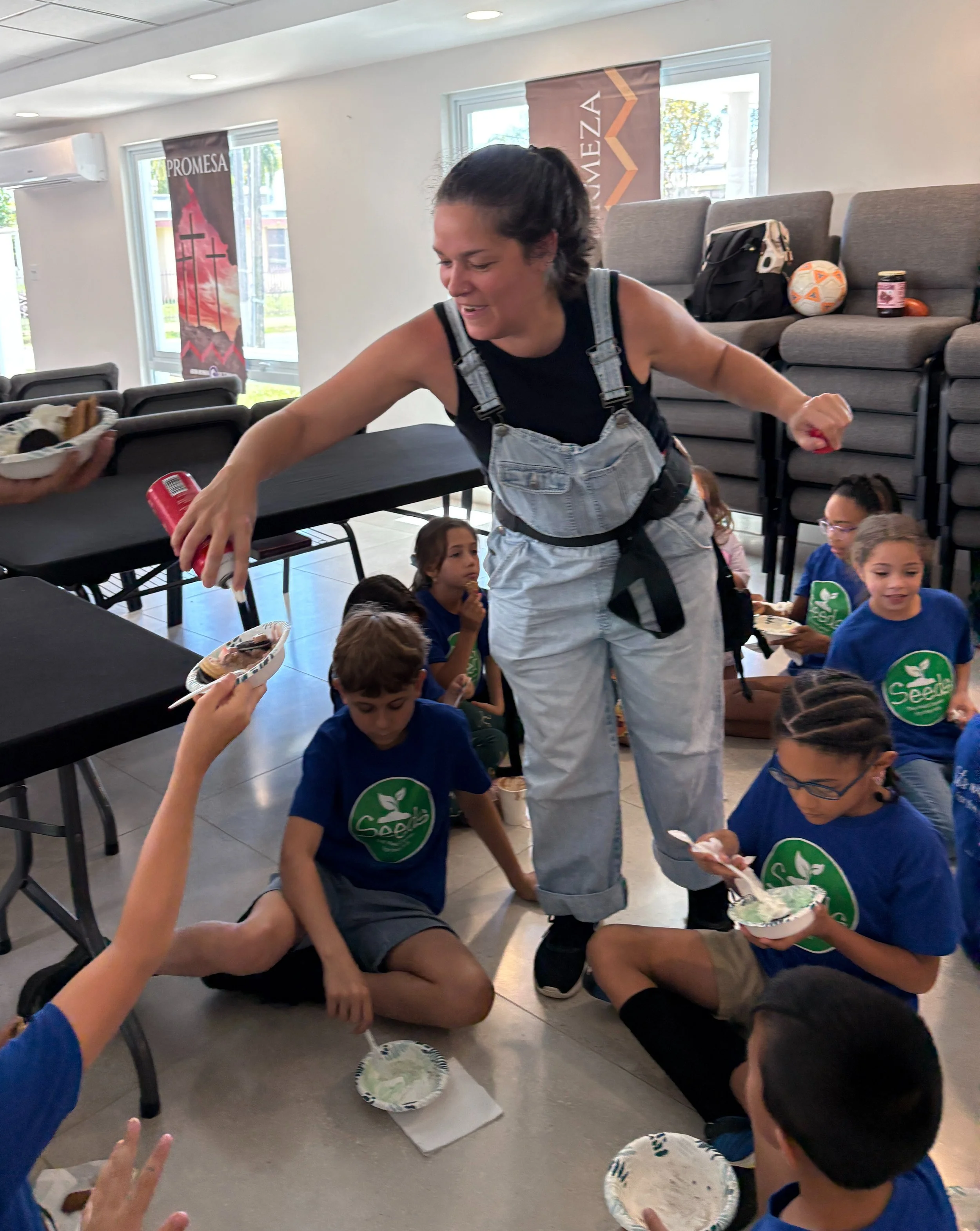
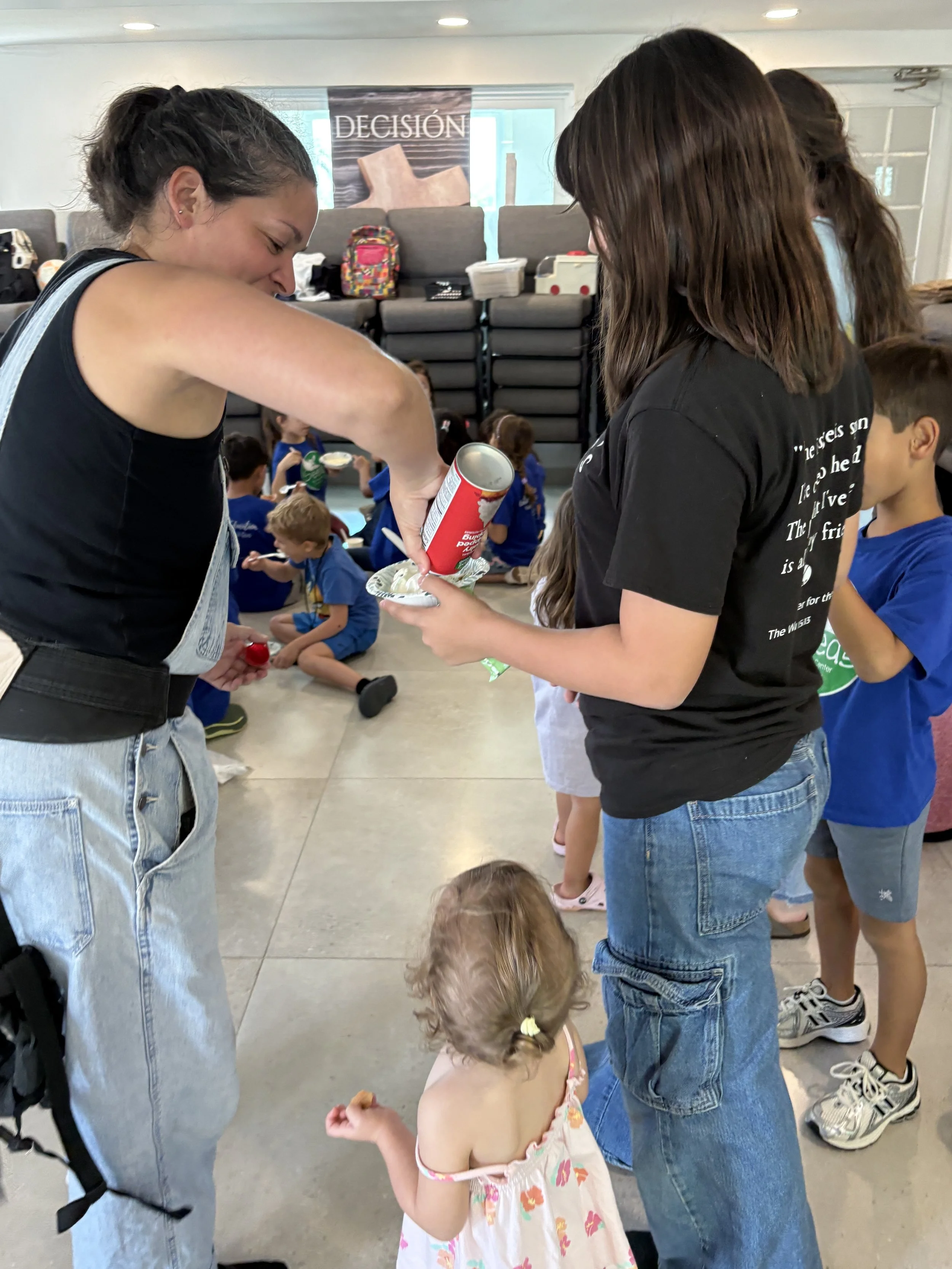
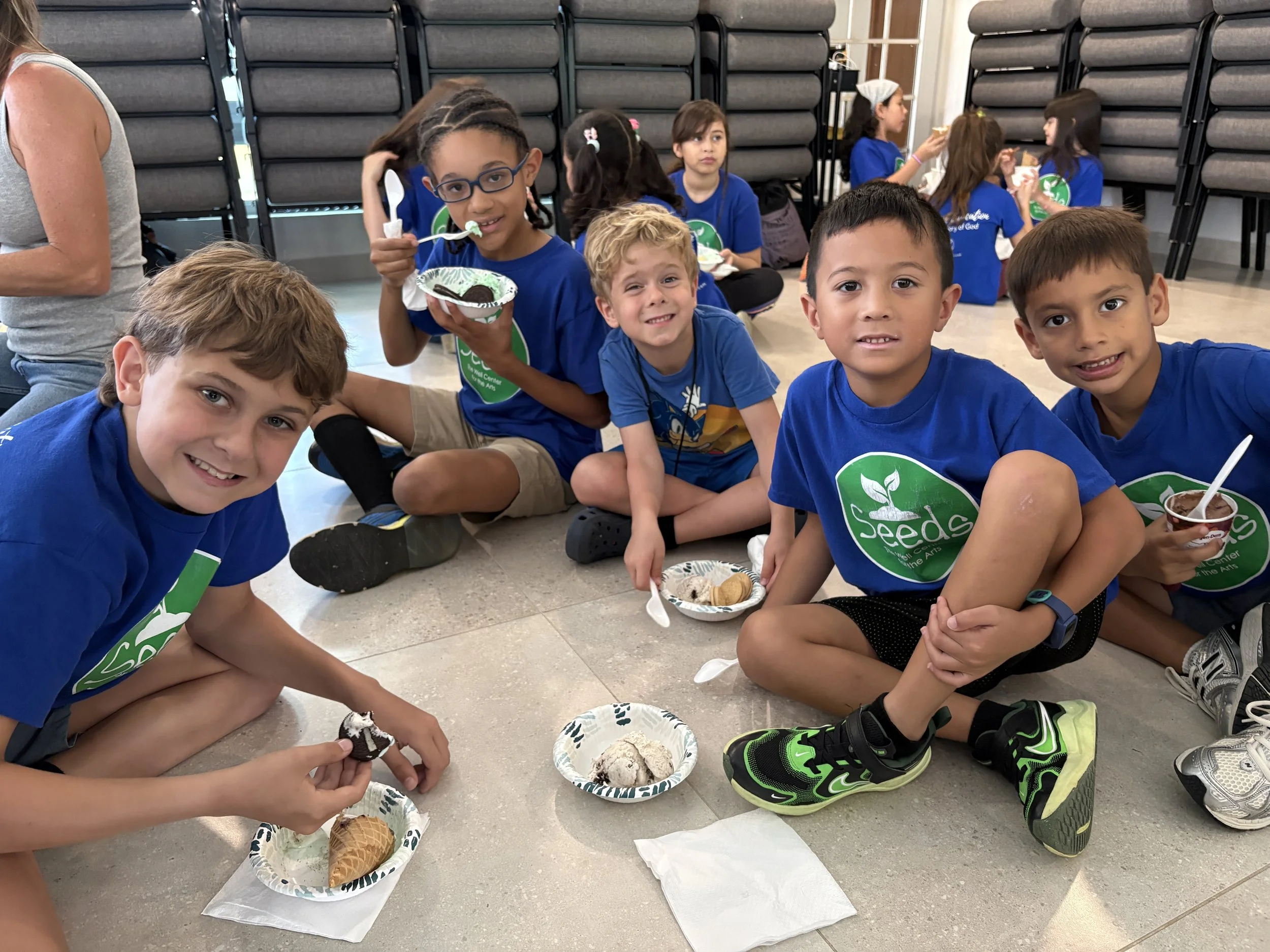
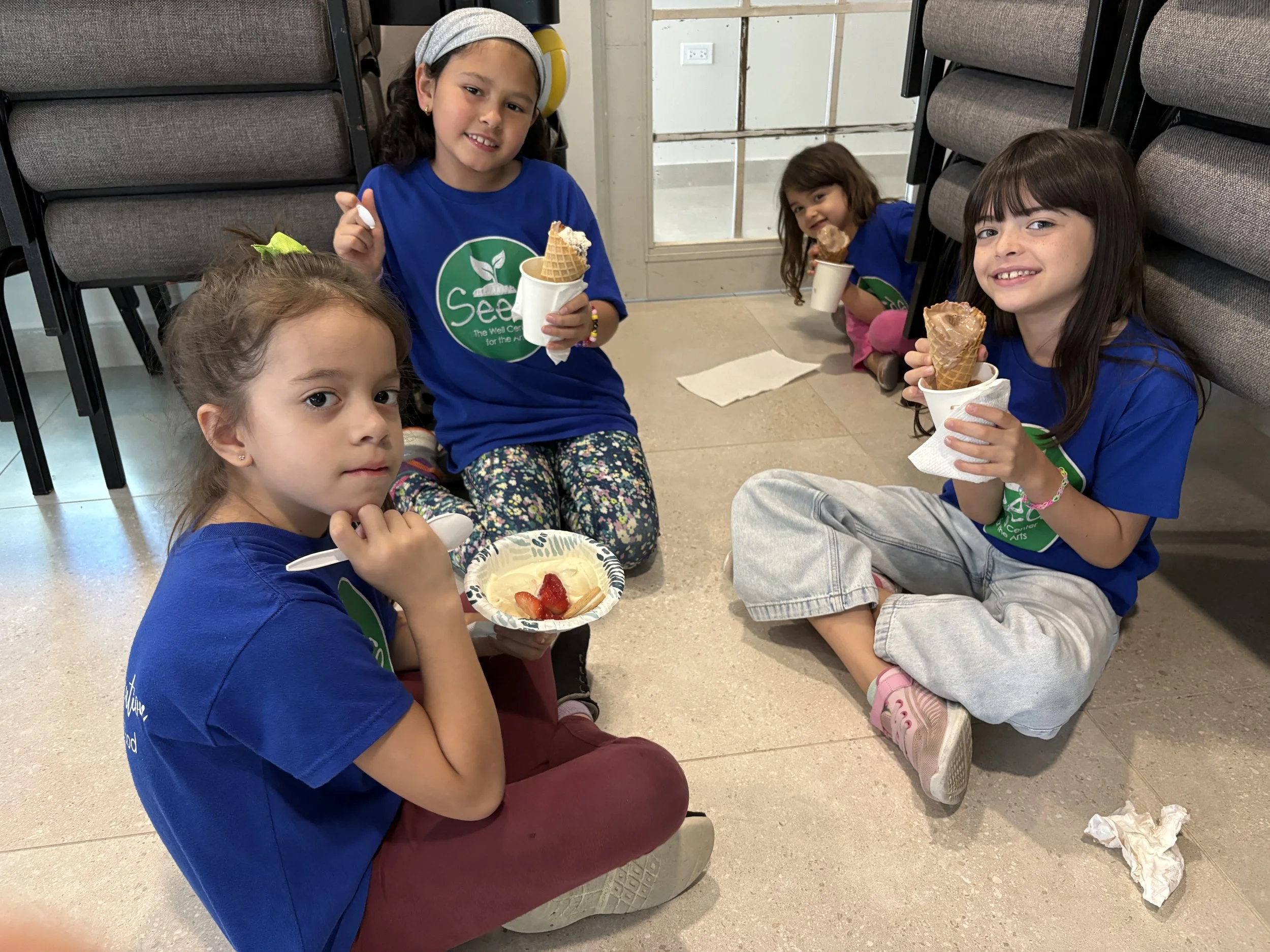
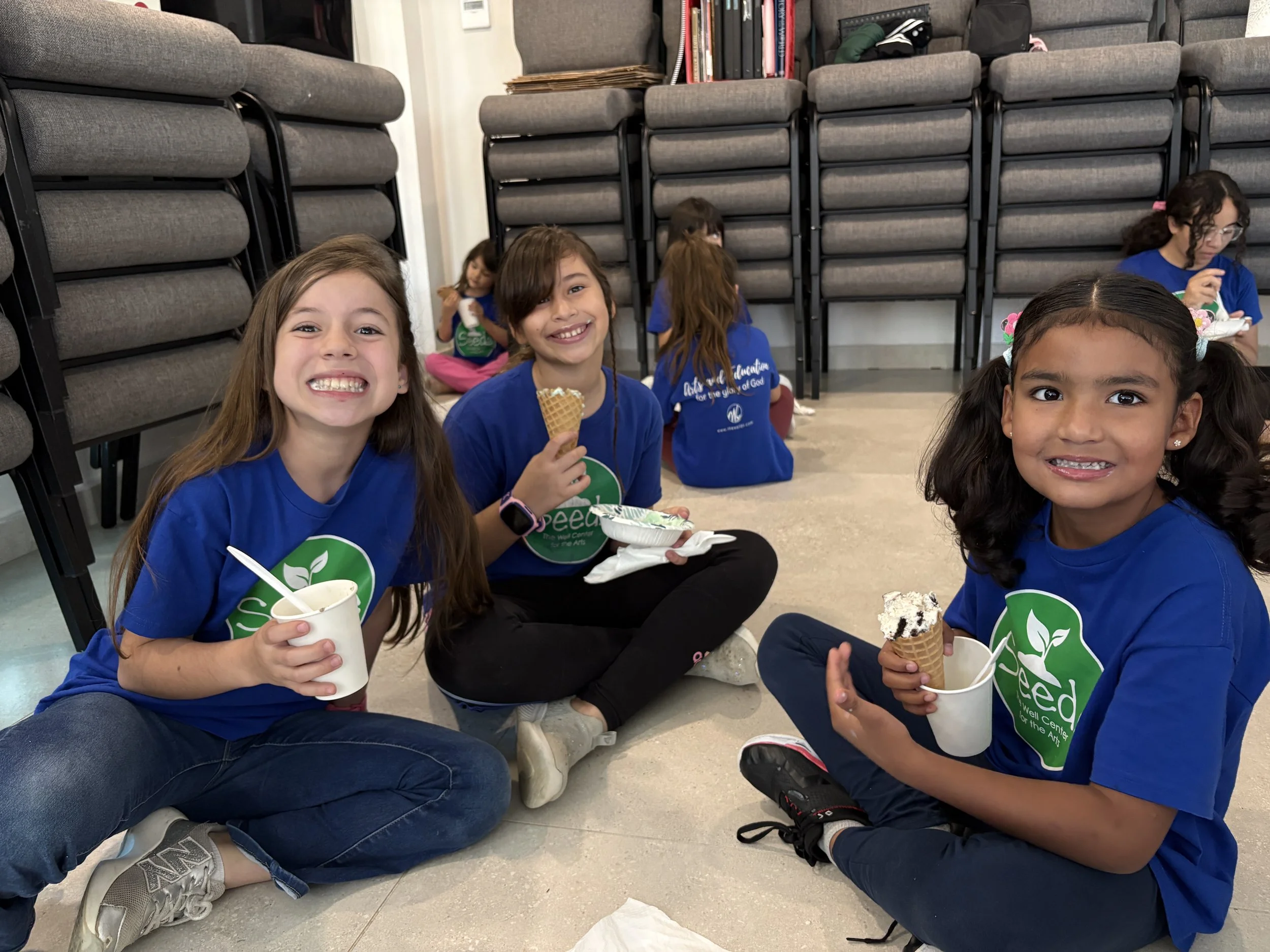
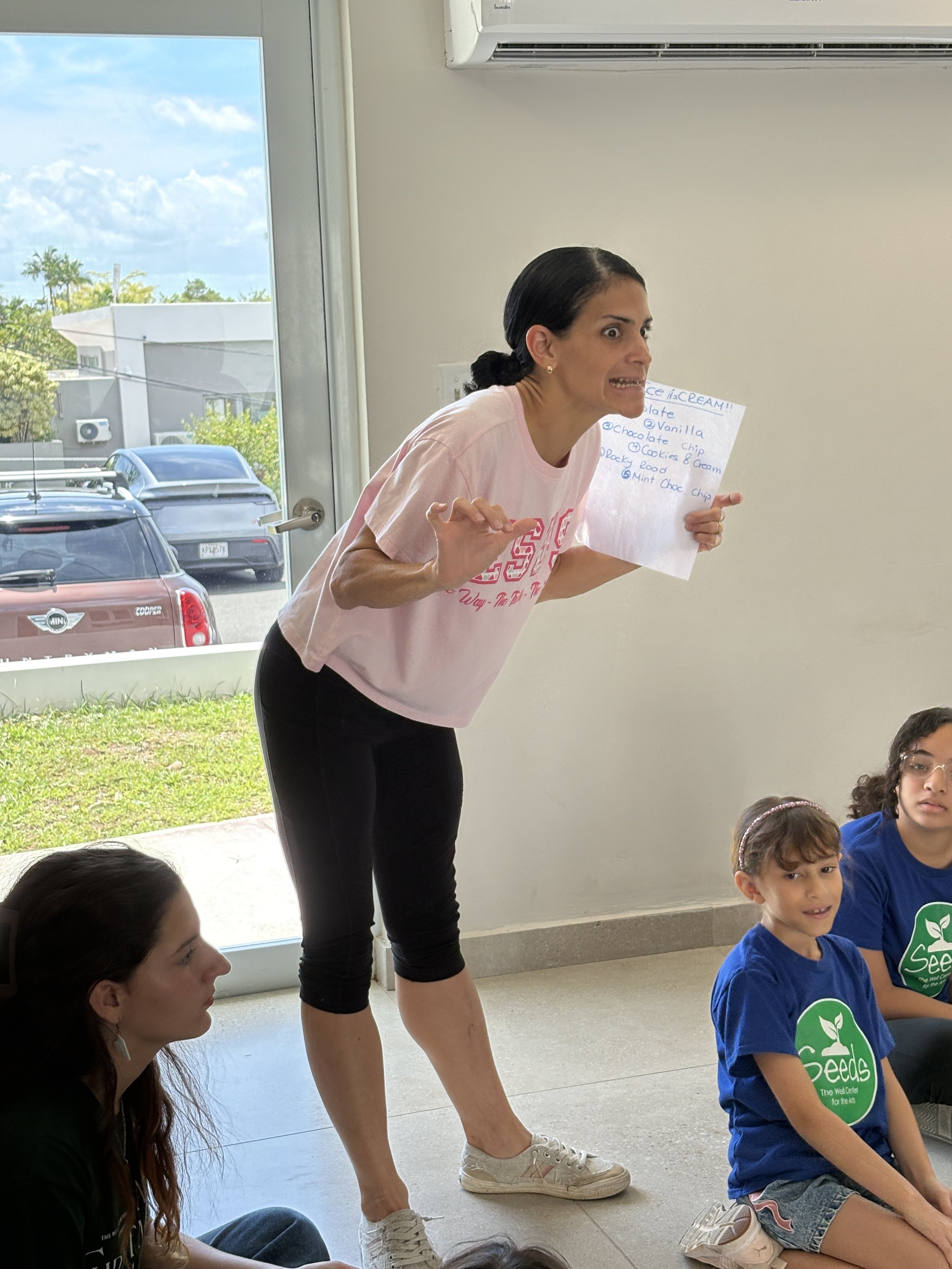
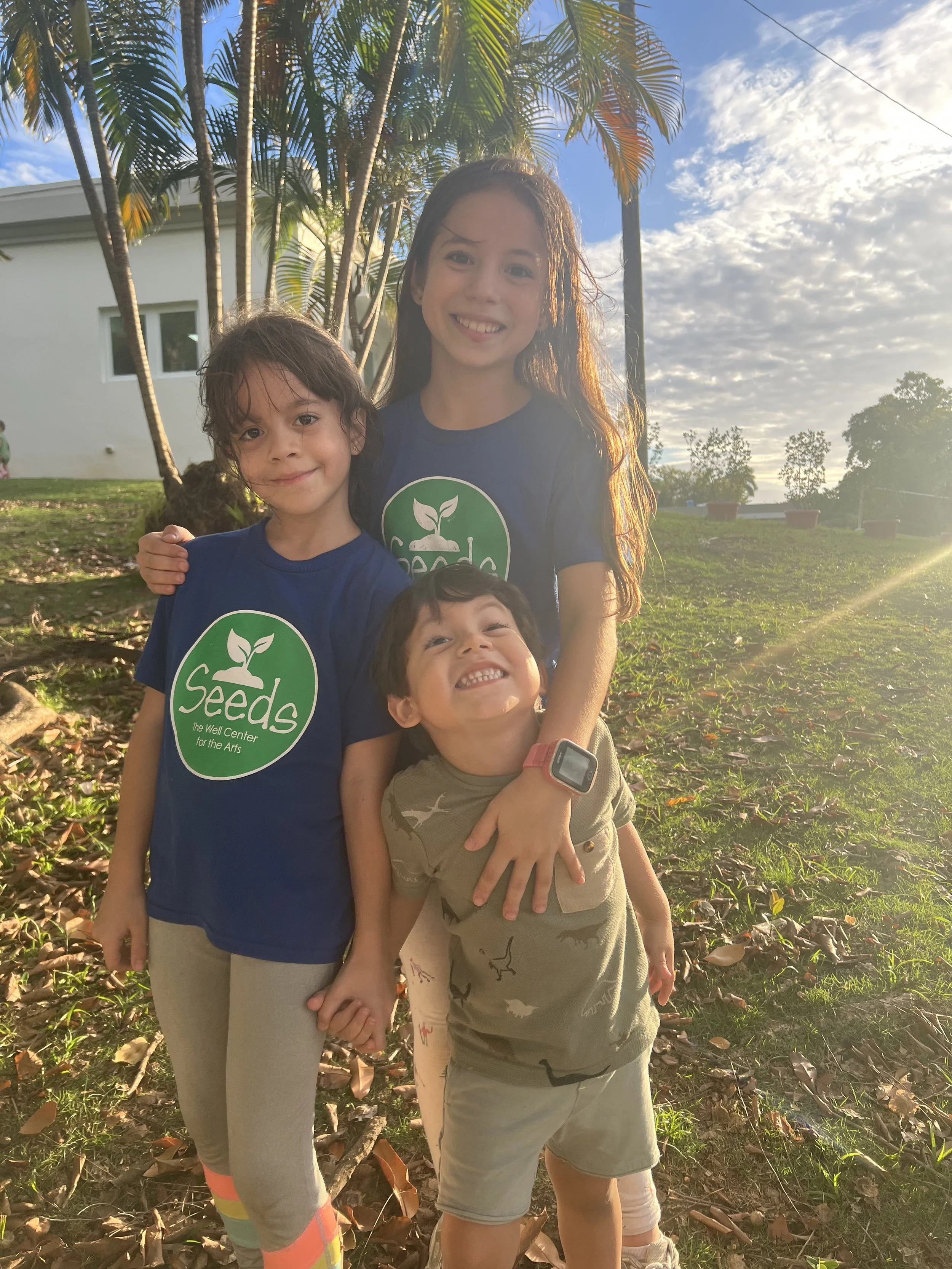
Another great week at The Well, celebrating our Spring birthdays with an ice cream party. The Seeds parents helped out tremendously by organizing the event and serving the kids with their wonderful selection of flavors and toppings. Thank you!
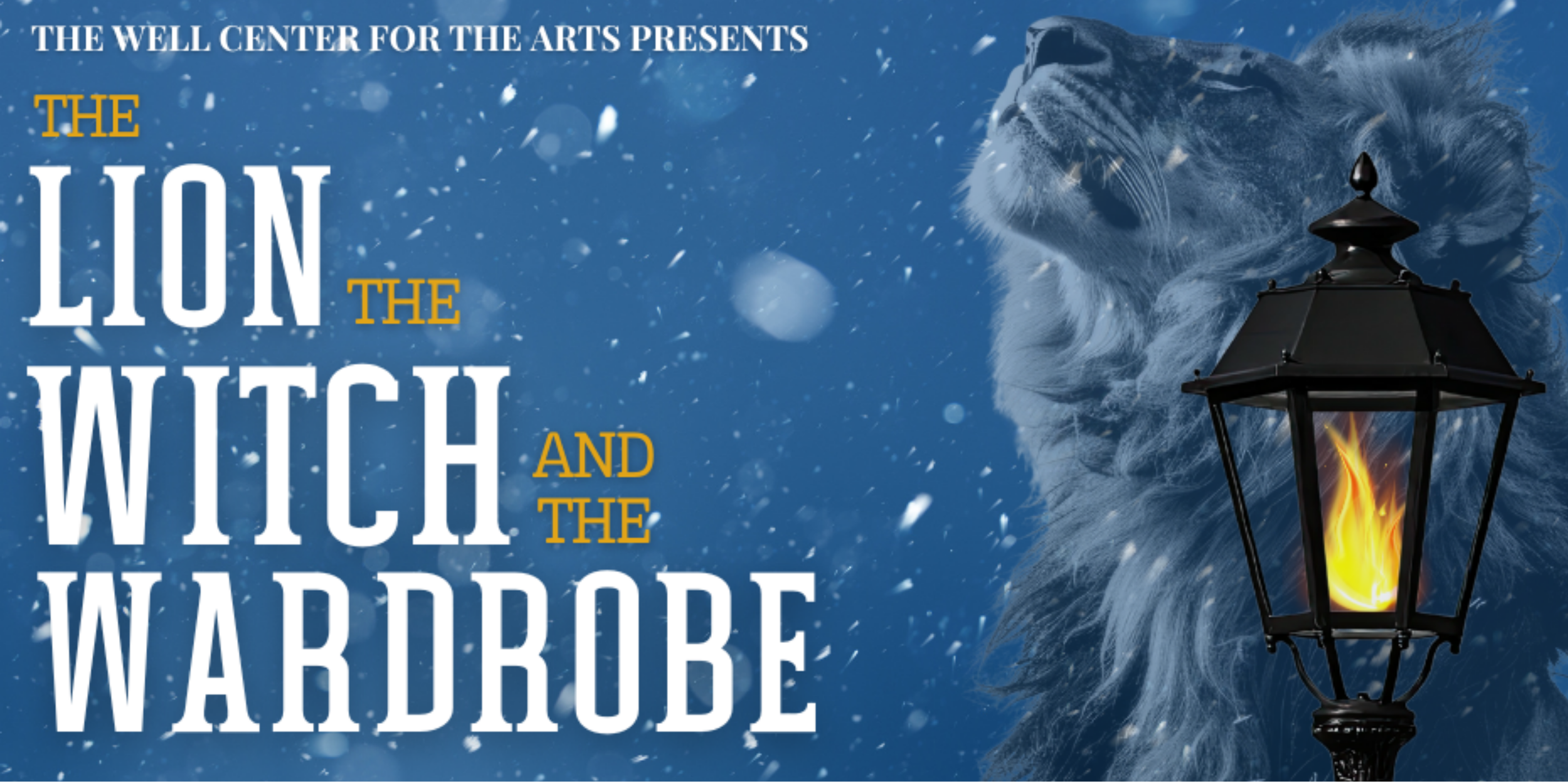
Come see The Lion, the Witch and the Wardrobe, next week! April 23 and 24.
TICKETS ON SALE NOW!
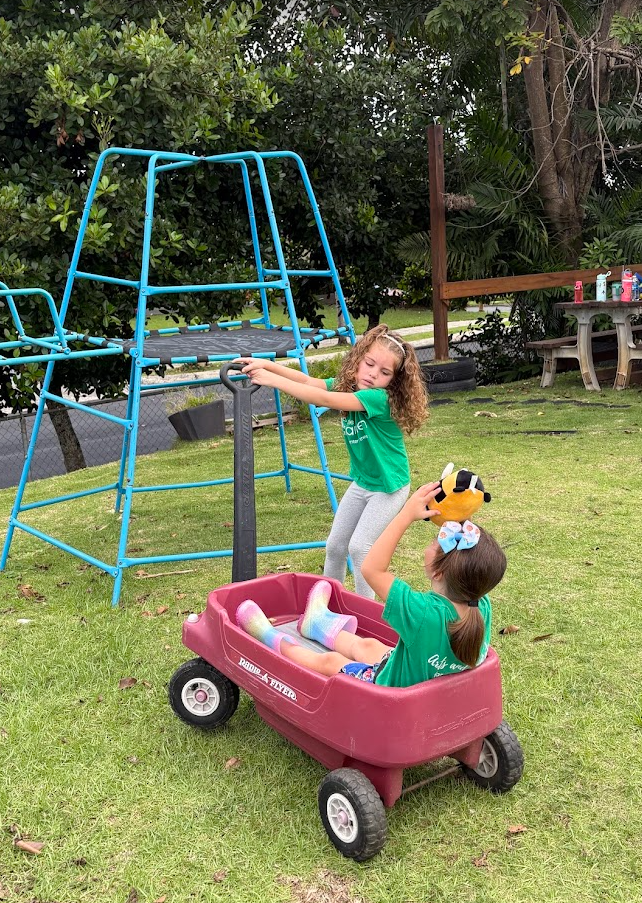
The Garden
This week during worship time we heard about when Jesus went to a quiet garden called Gethsemane to pray. He felt very sad and asked his friends to watch over him, but they fell asleep. Jesus prayed to God, saying, "Not my will, but yours be done," trusting God's plan before being arrested. Jesus was sad and worried, but he trusted God. He taught us that we can talk to God about anything and He always hears us.
We also learned that during this time one of his disciples, Judas, told the Roman soldiers where to find him for 30 pieces of silver. Angry leaders told lies about Jesus, and he was arrested and taken to a special court because they were jealous and didn’t believe in Him. Even though Jesus was a good, kind man who was strong and could have left, he chose to stay because he loved us and was following God’s plan to be our Savior. Everything about the trial of Jesus and the surrounding events was unfair and sad, yet Jesus never complained or turned away from his purpose.
Circle time: Bobby Bee came to see us. He told us that bees don’t live long—worker bees only live 6 to 7 weeks—and that’s why we have to protect them so they can complete their jobs. Then Bobby said goodbye for a little while, but he’ll be back another time. Mrs. Doreen showed us some cool pictures of honeycomb dripping with honey 🍯. On Thursday we began to learn about caterpillars 🐛 and 🦋. It’s so cool!
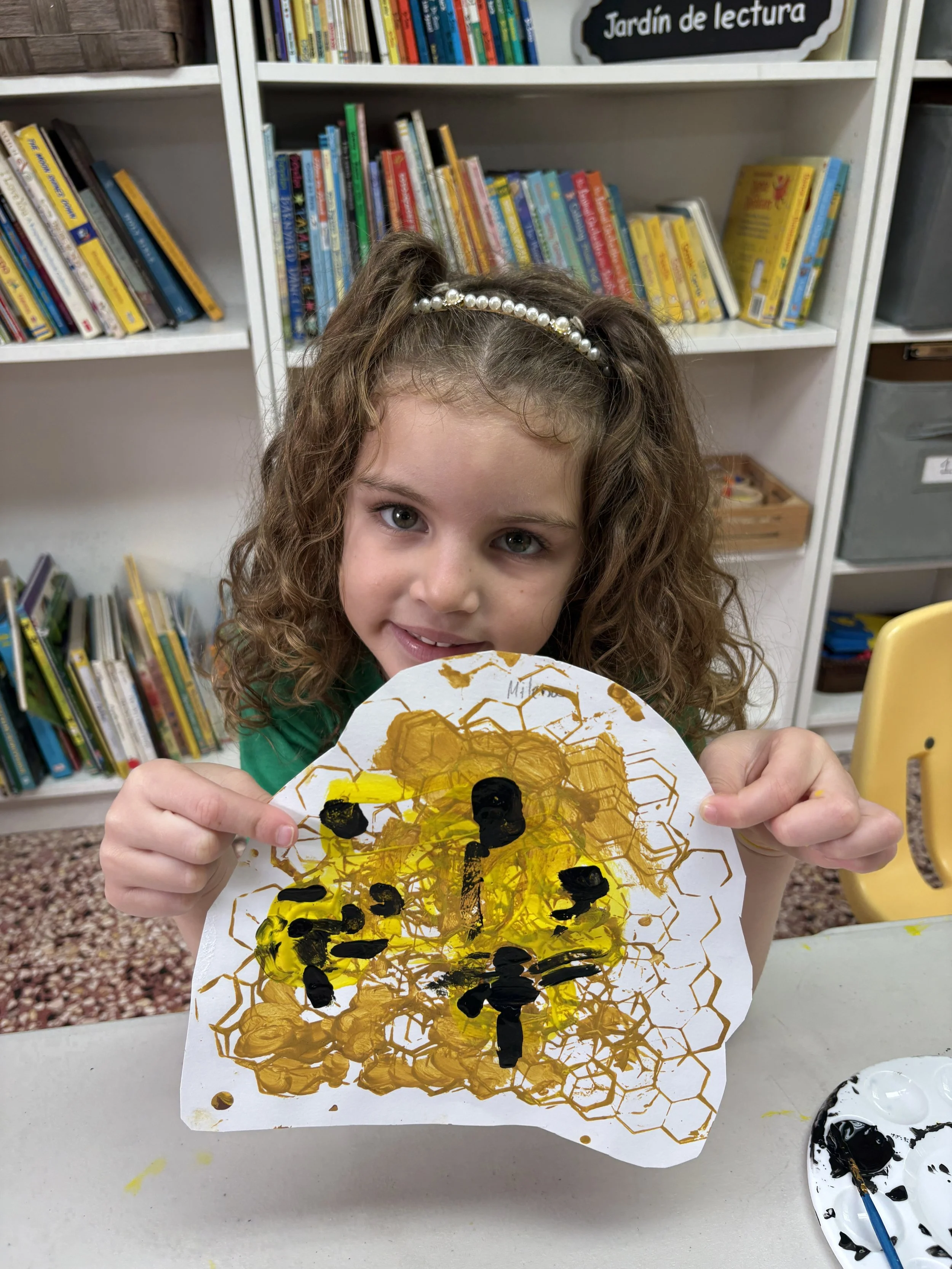
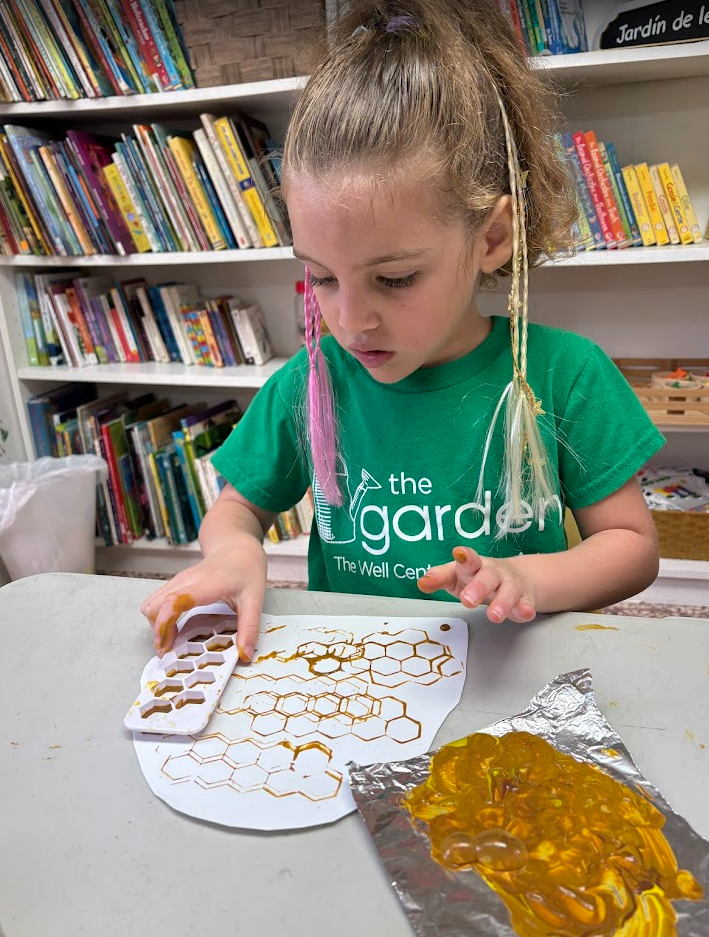
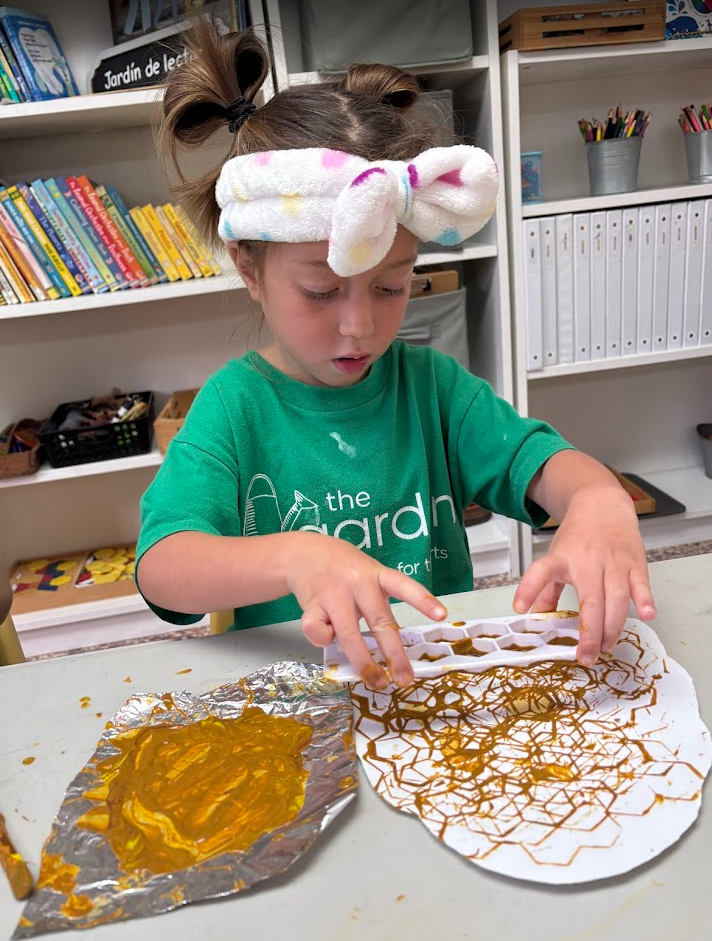
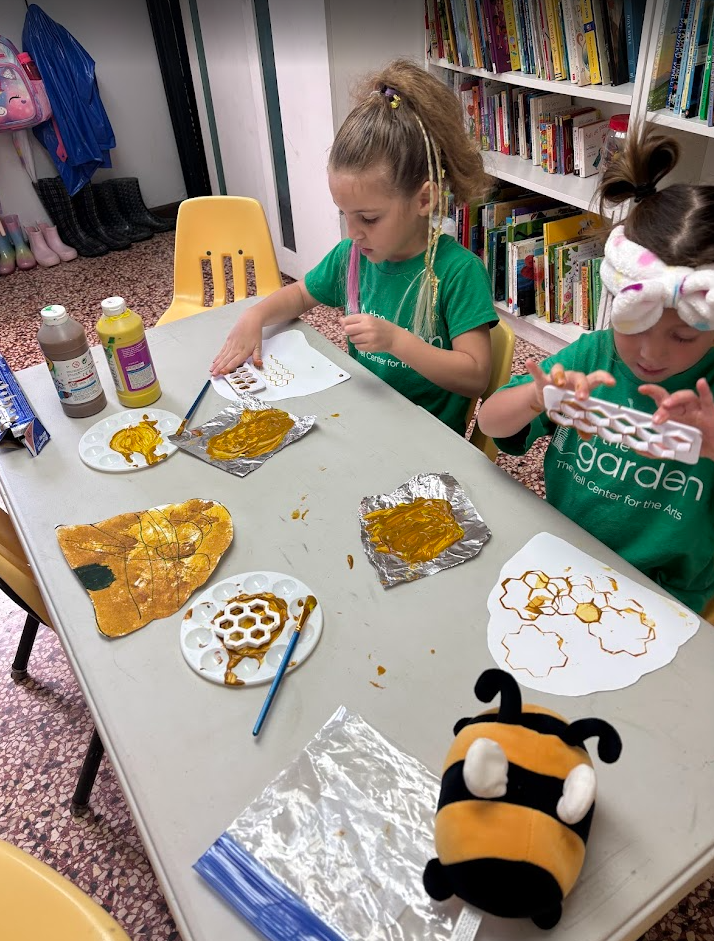
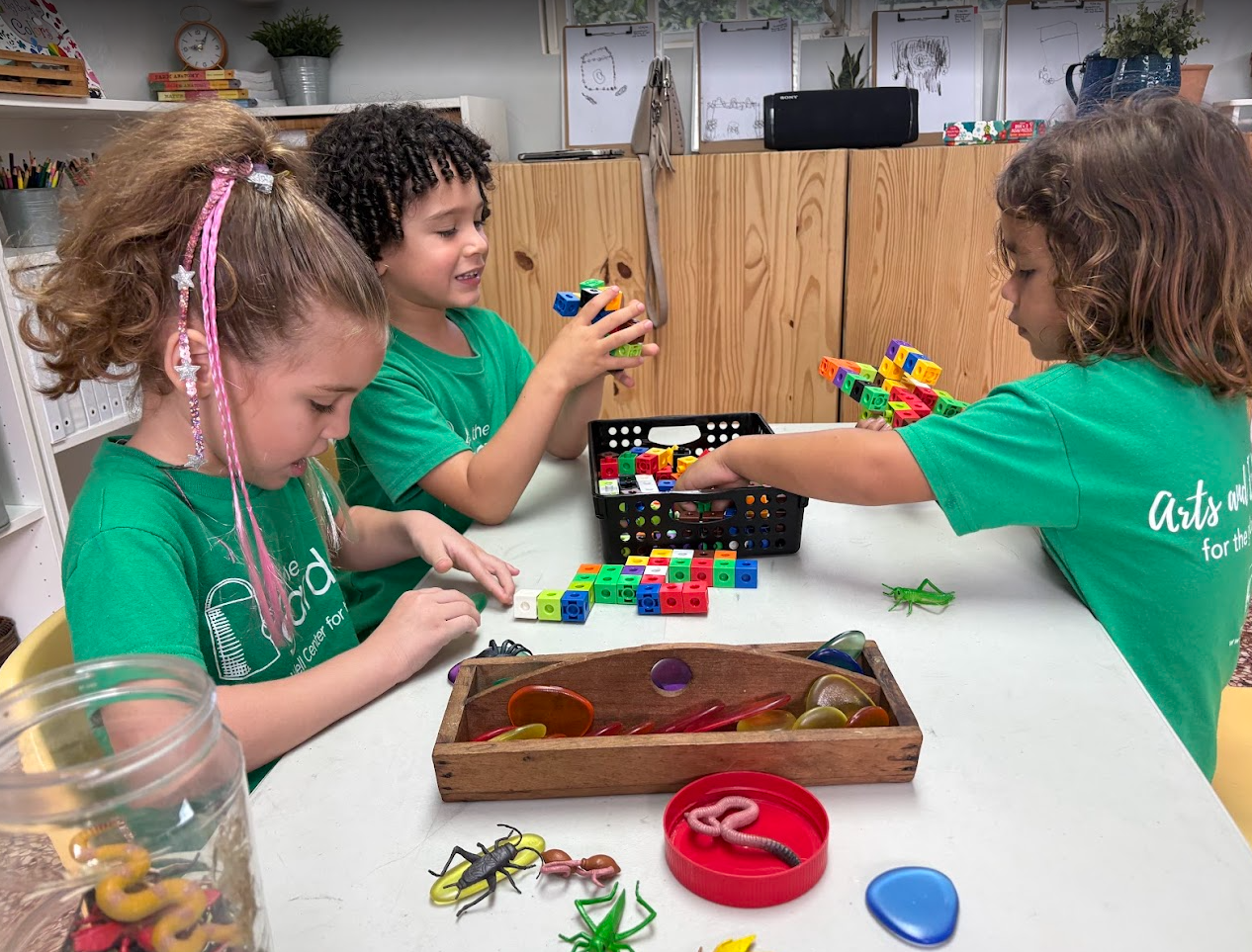
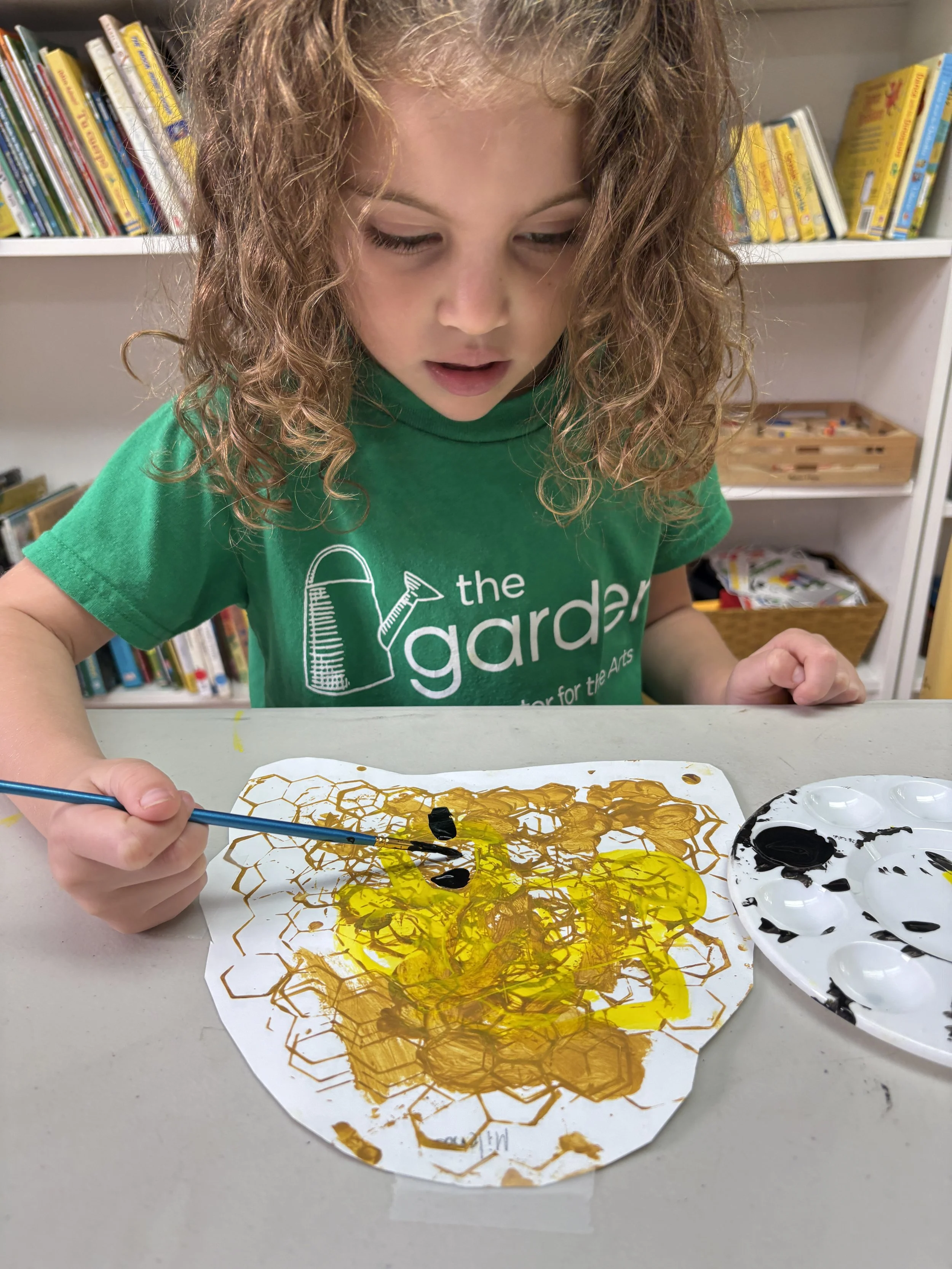
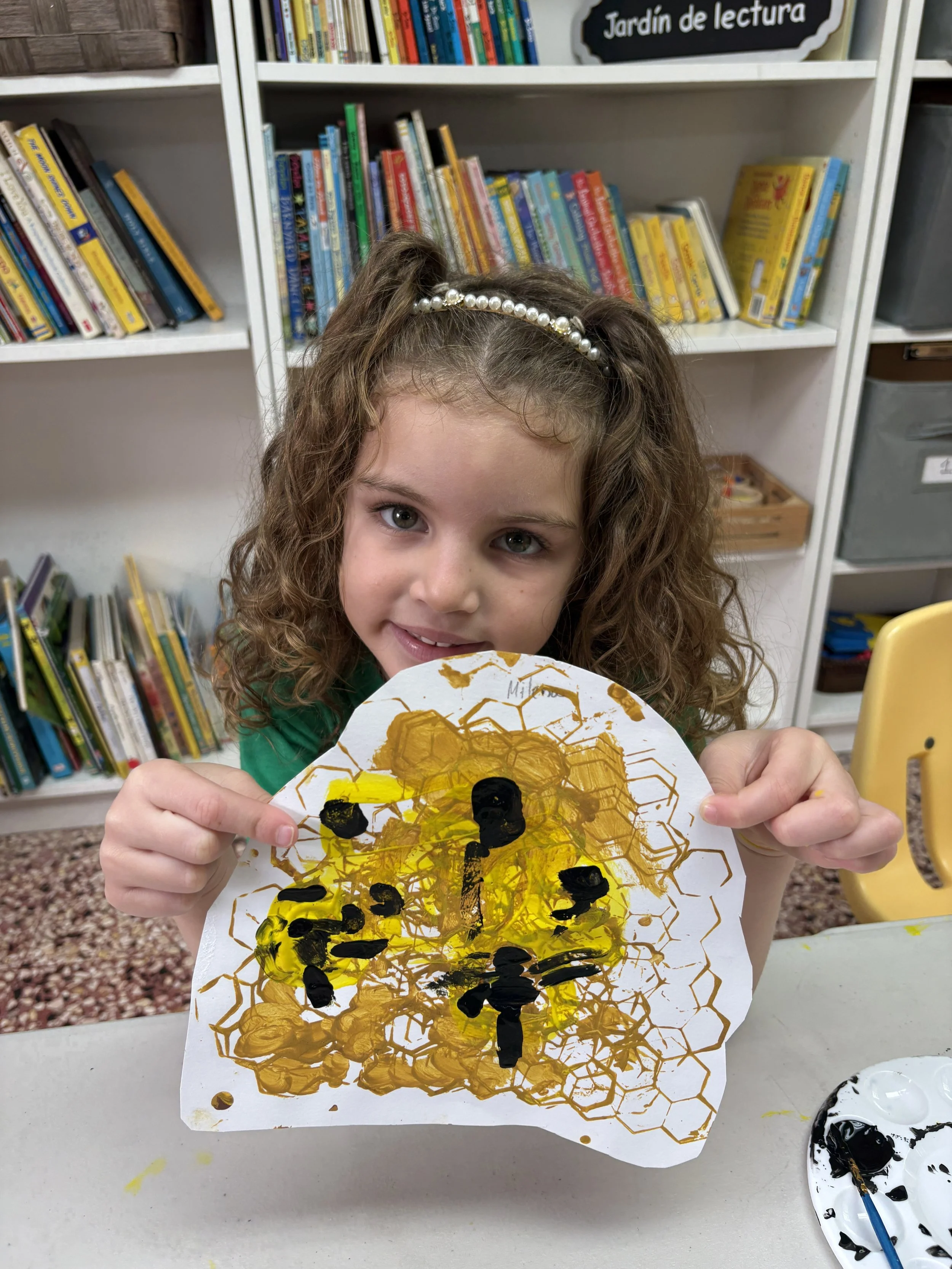
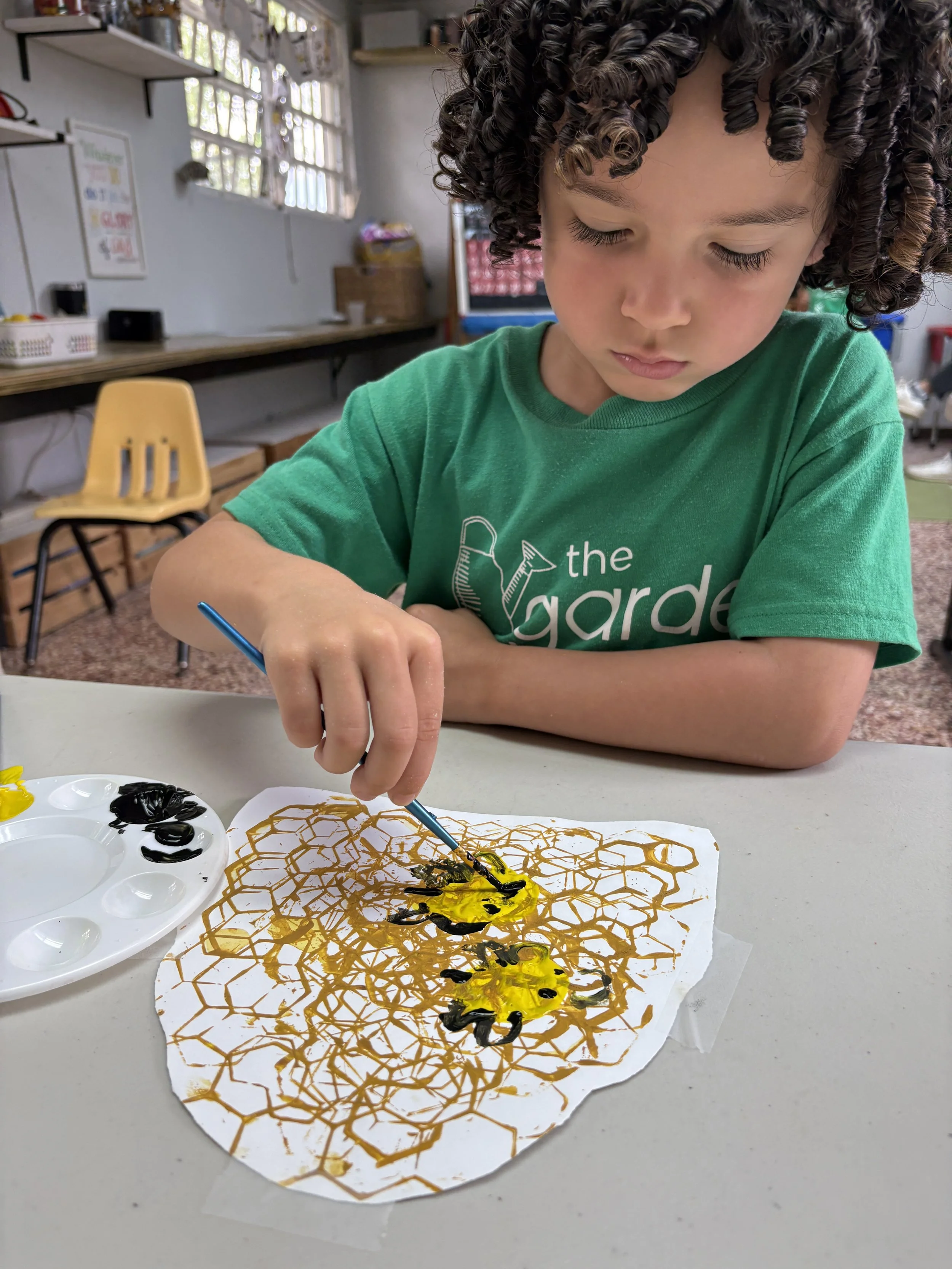
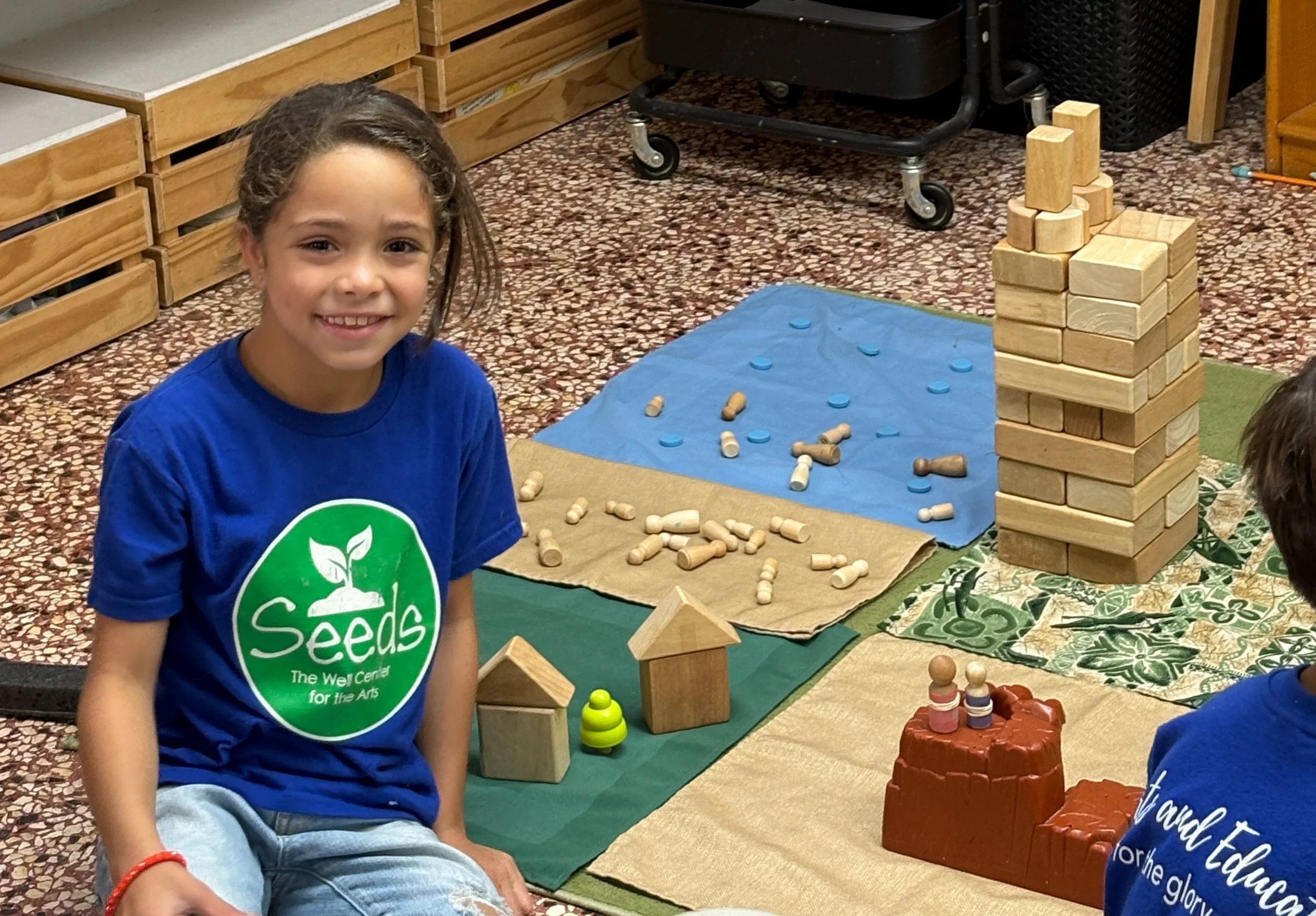
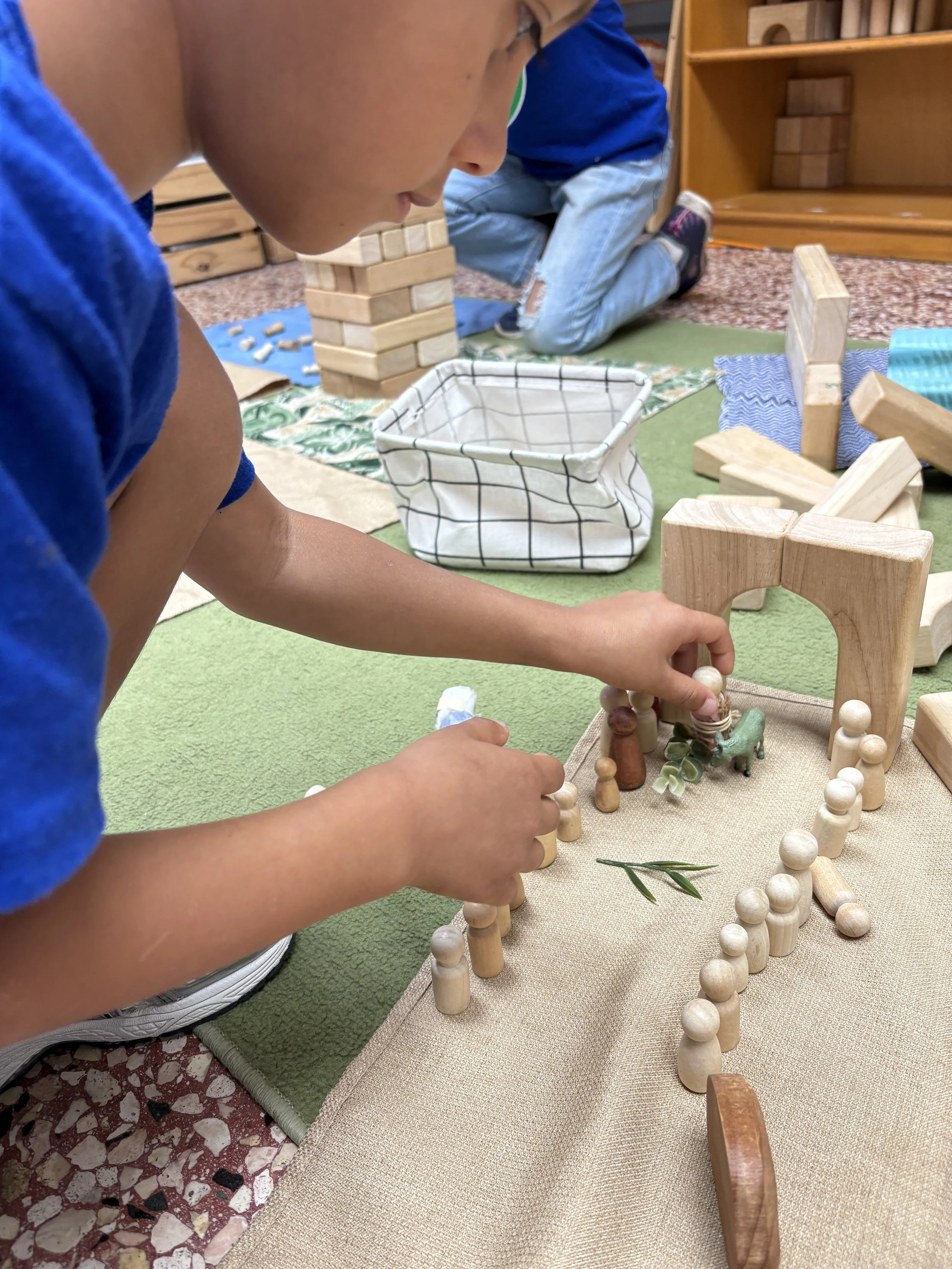
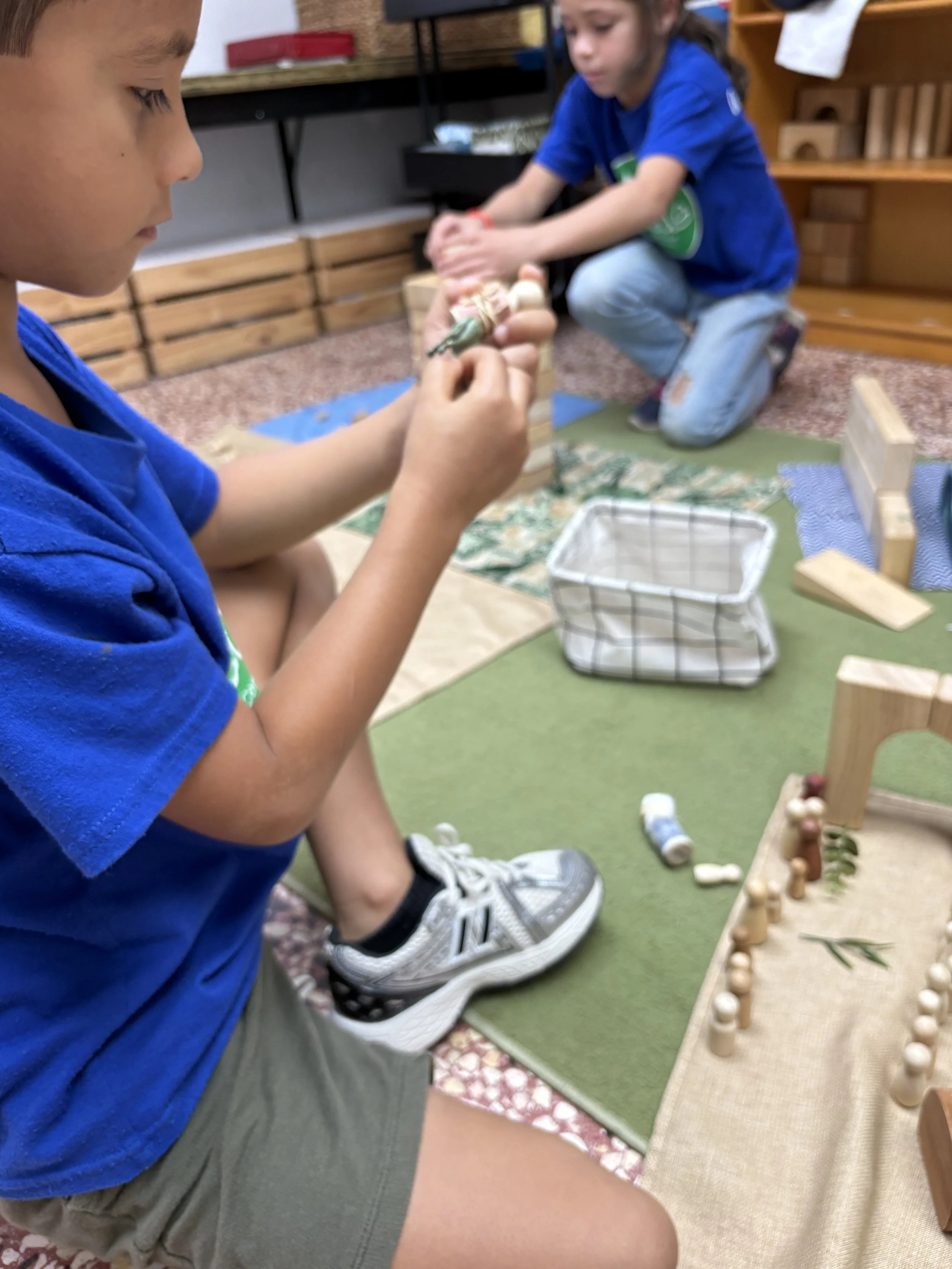
Activity time: We got to mix brown and yellow paint again to make a honey color. Then we painted a honeycomb inside our beehives. We used a honeycomb cookie cutter to make the hexagon shapes, and when it dried, we got to paint bees inside. We also played at the block center and used the wooden people to retell the Bible story we learned. We used the sensory tables too, and surprise—we found tiny bees inside to play with!
*Mrs. Doreen will be bringing a piece of honeycomb with honey for the kids to taste on Tuesday, April 14. If anyone is not allowed to have it, please let us know as soon as possible. Thanks.
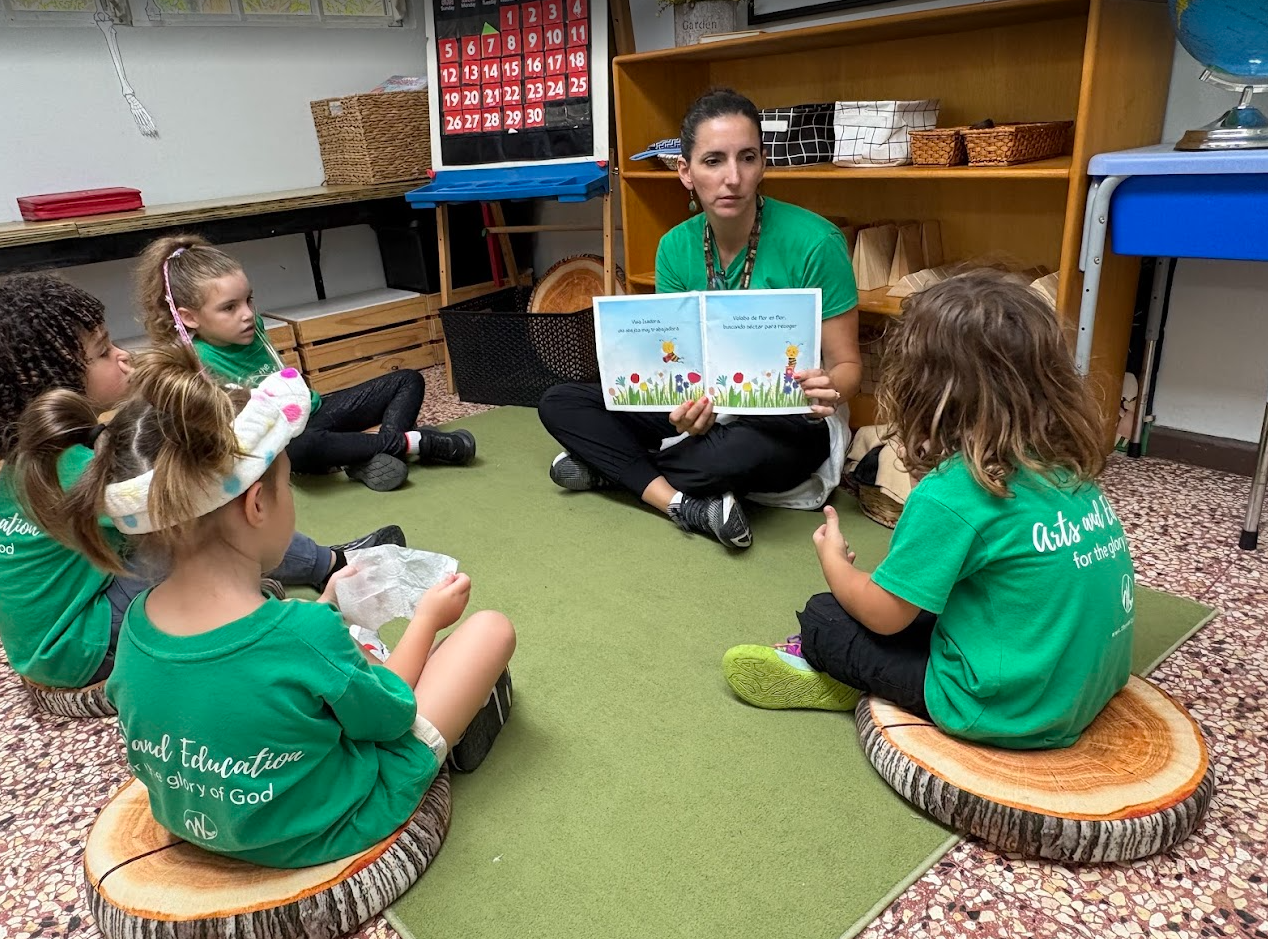
Stories: Isadora la Abeja trabajadora 🐝 (Isadora the worker Bee) and The Very Hungry Caterpillar 🐛
The Seeds Program
BIBLE
We have begun memorizing our new selection from Philippians 2. We are learning that Paul urged the church in Philippi to stand firm in their faith and to have the same spirit and the same mind as Jesus Christ. In order to have the same mind of Jesus, we need to “do nothing out of selfish ambition or vain conceit” but choose to be humble before God and others.
SUGGESTED READINGS
Bible
Philippians 2
STUDIO TIME
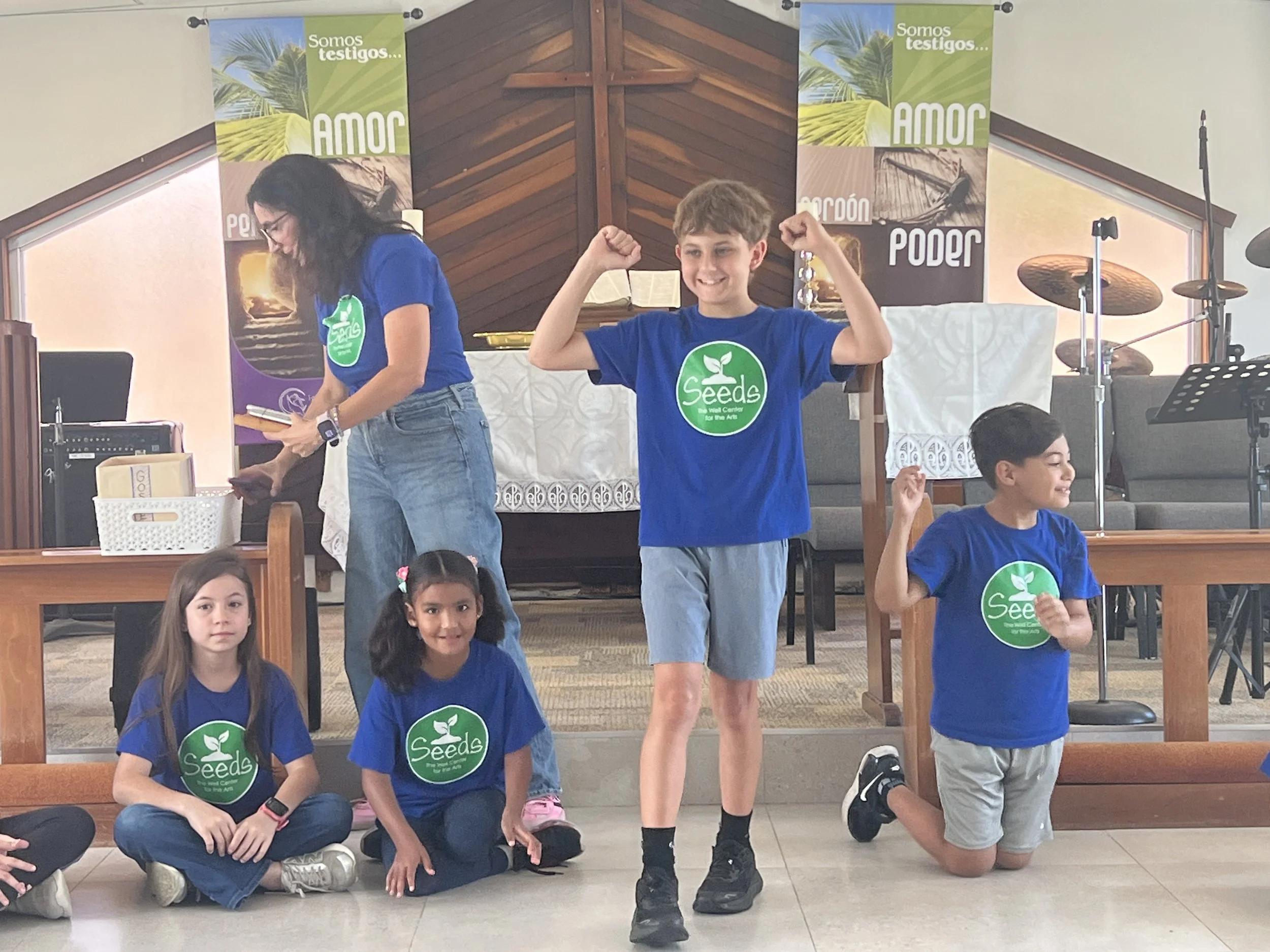
In Studio Time, we continued to hear some pieces from Beethoven. After seeing an amazing group of kids performing the 5th symphony using body percussion, we began to learn some body percussion for the next piece we will study: Fur Elise. The kids quickly recognized the piece and shared how it made them feel and what it made them think about. We will continue to listen to this beautiful piece and learn more about it this week.
HISTORY
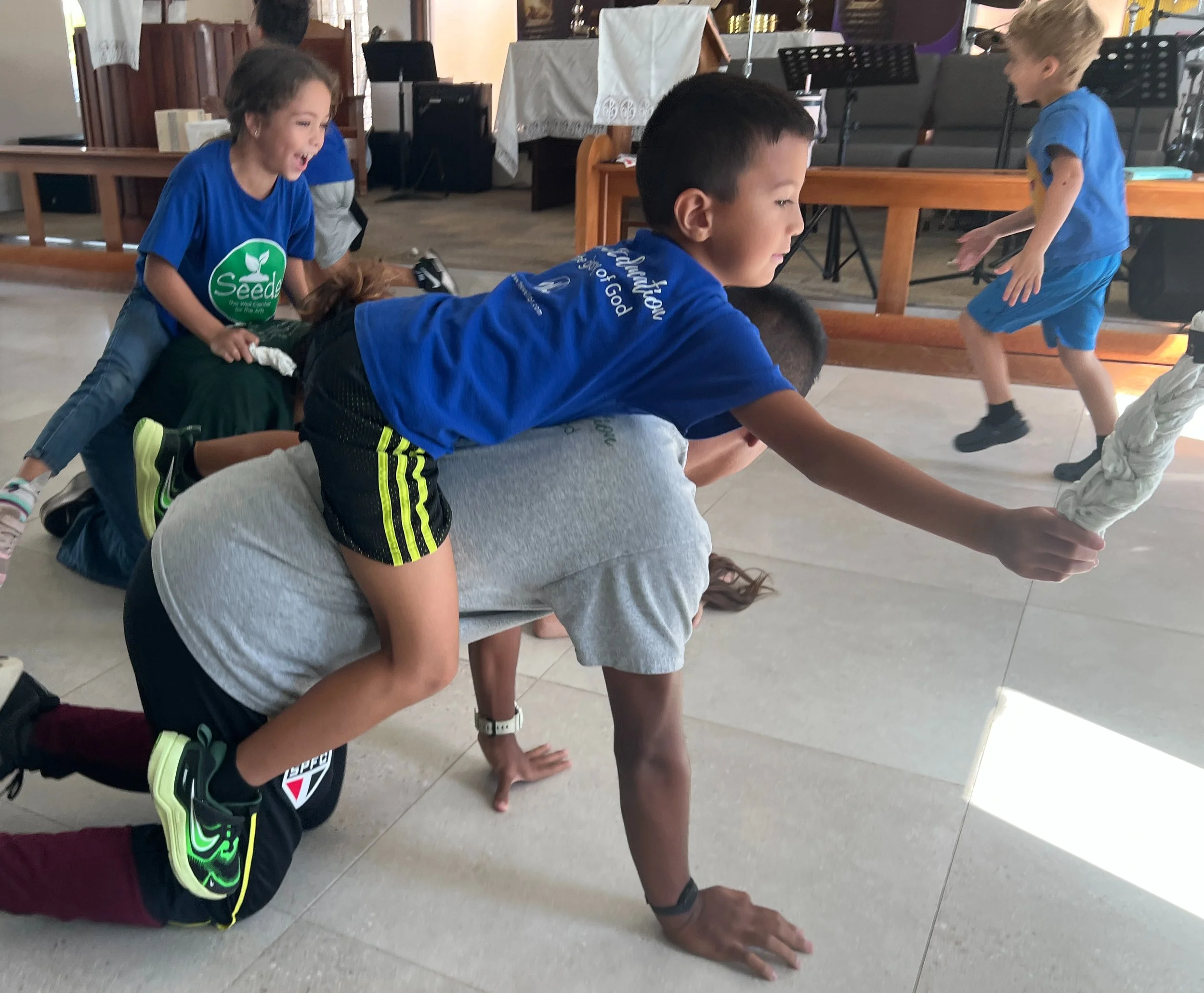
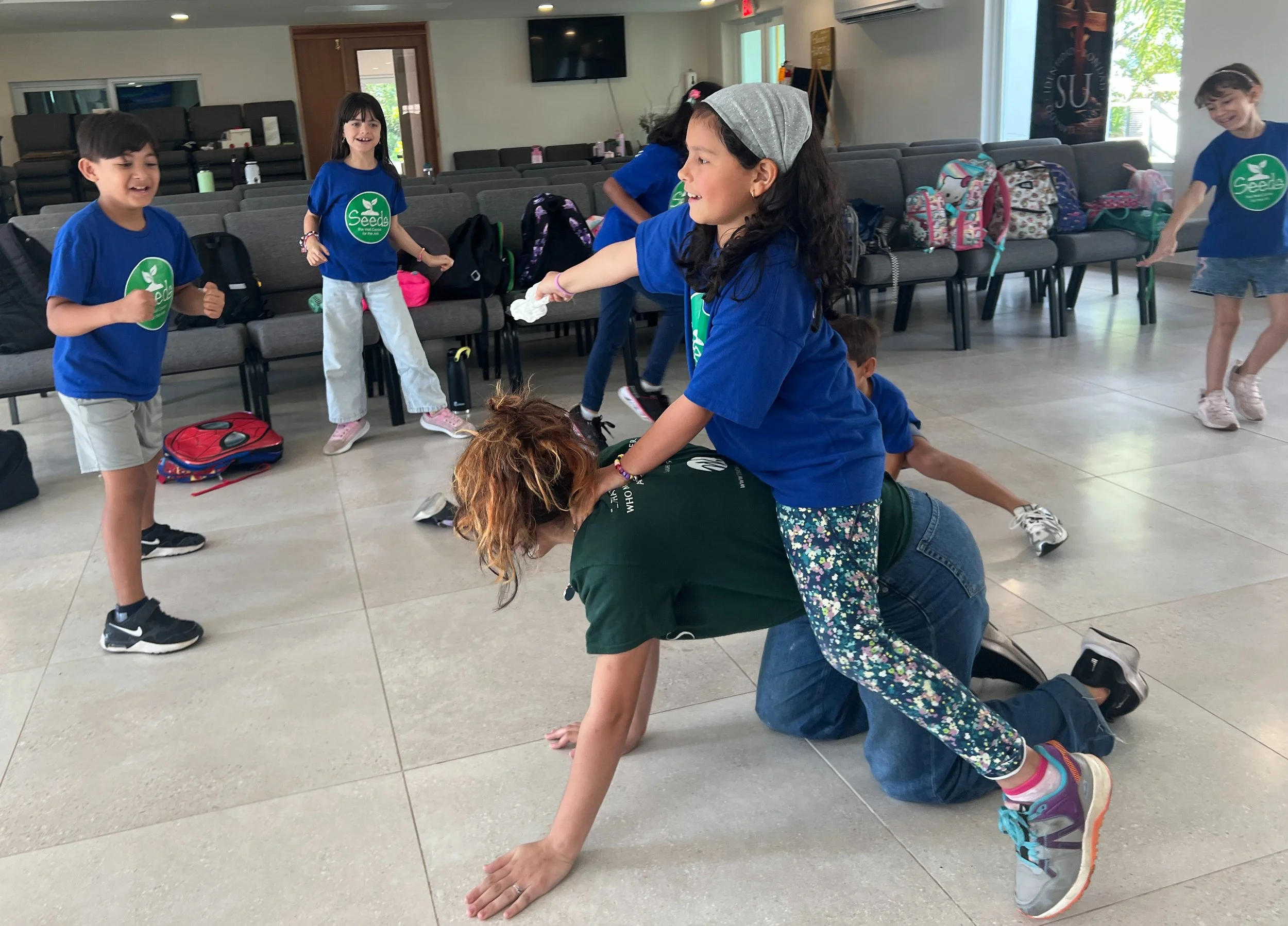
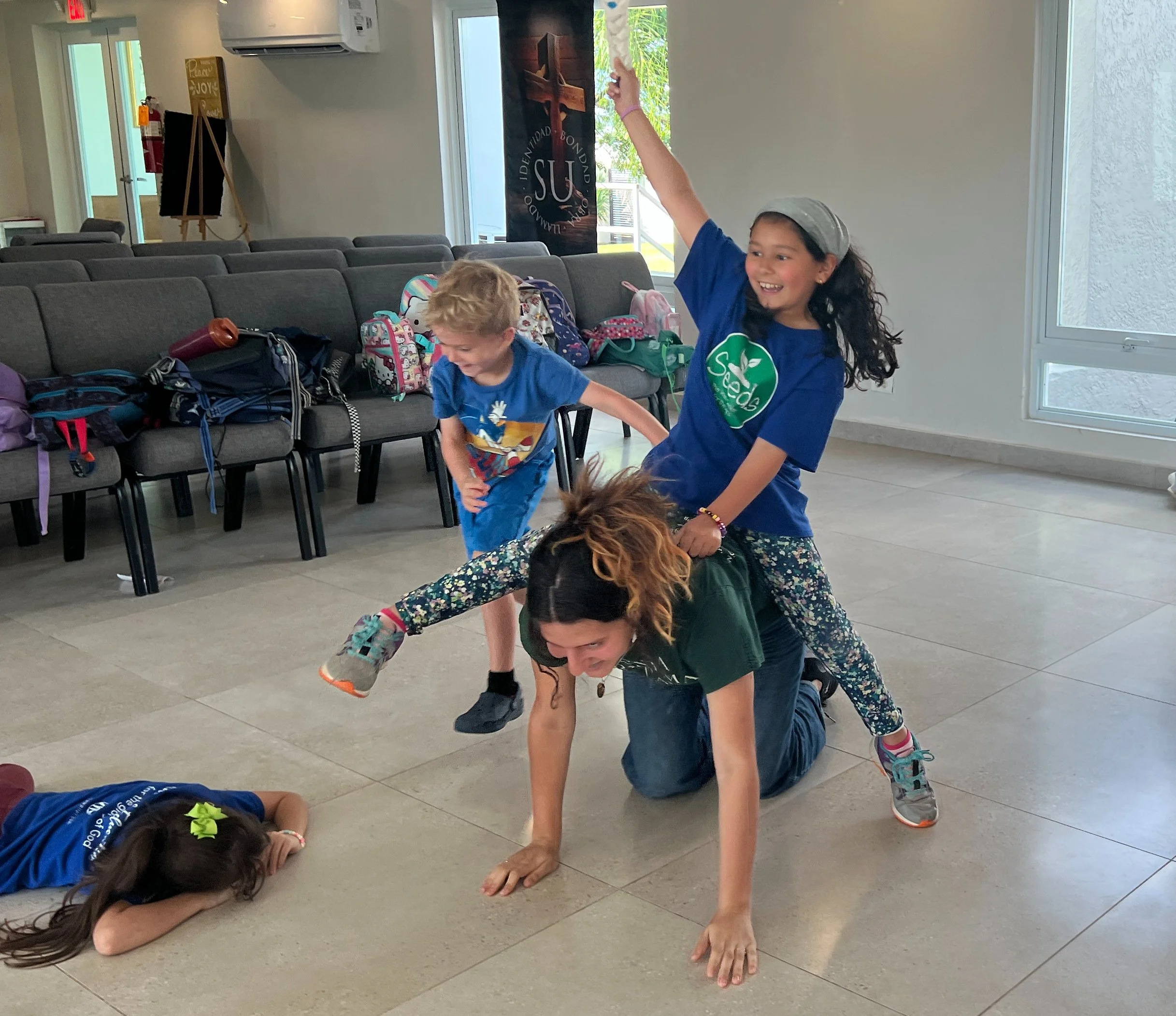
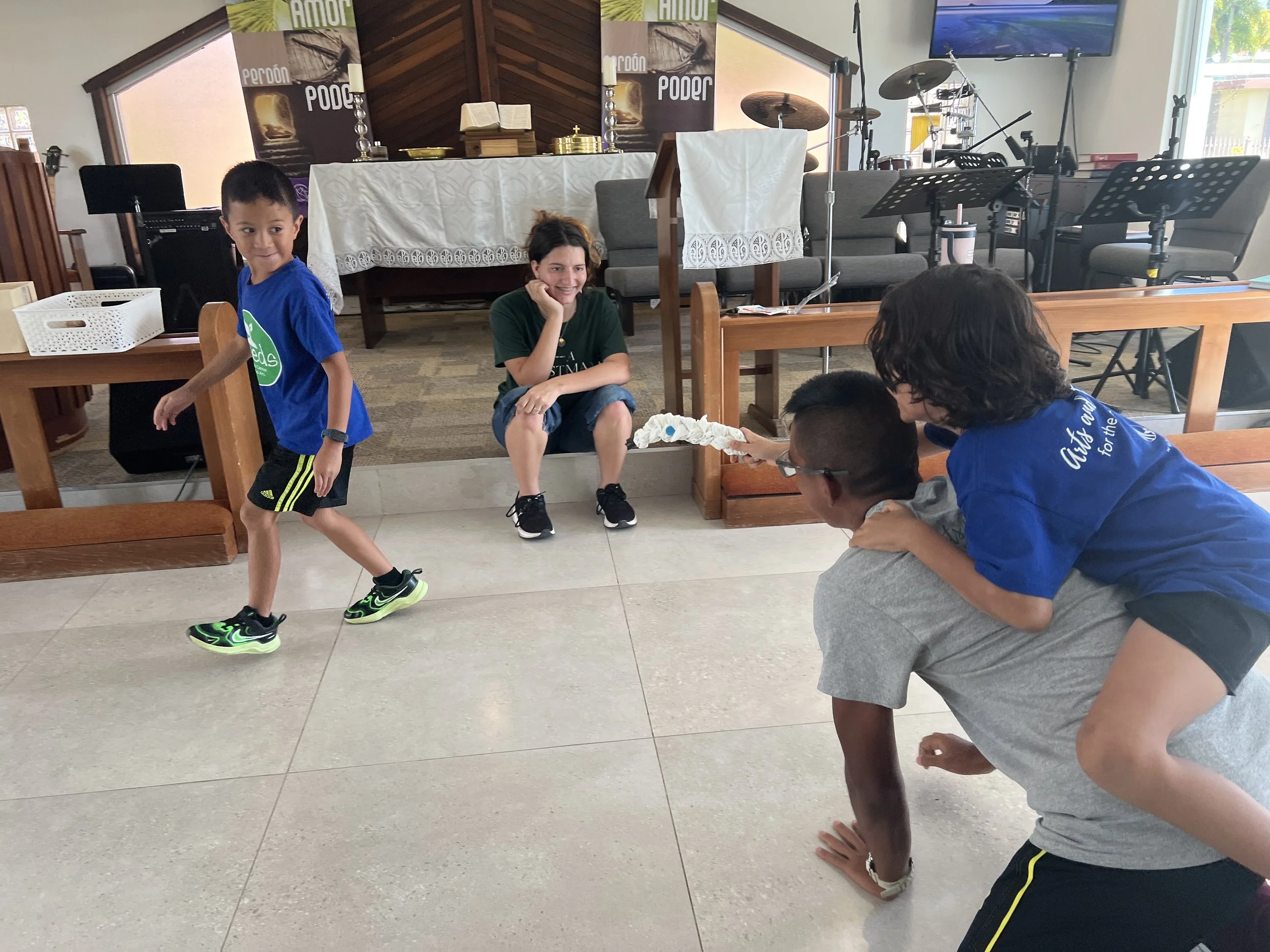
This week, we studied the origins of the Bubonic Plague or “Black Death” as it is also called. We learned that most scholars believe the disease was spread from bacteria that lived on fleas, transported by rats during the Middle Ages. Because the people of that time didn’t know this (in fact rats and fleas were quite common), the disease spread rapidly, killing huge populations of people in Europe. The younger SEEDS students made up a game where they had to avoid the “rats and fleas” trying to pass around the bacteria. Eww!!!
SUGGESTED READINGS
World History from Ancient to Modern Times
P. 148 - The Black Death
P. 136-137 - Traders and Towns
P. 125 The Hundred Year’s War
P. 152-153 - The Rise of Burgundy
If you haven’t added the “Black Death” label to your timeline yet, go ahead and do that!
SCIENCE
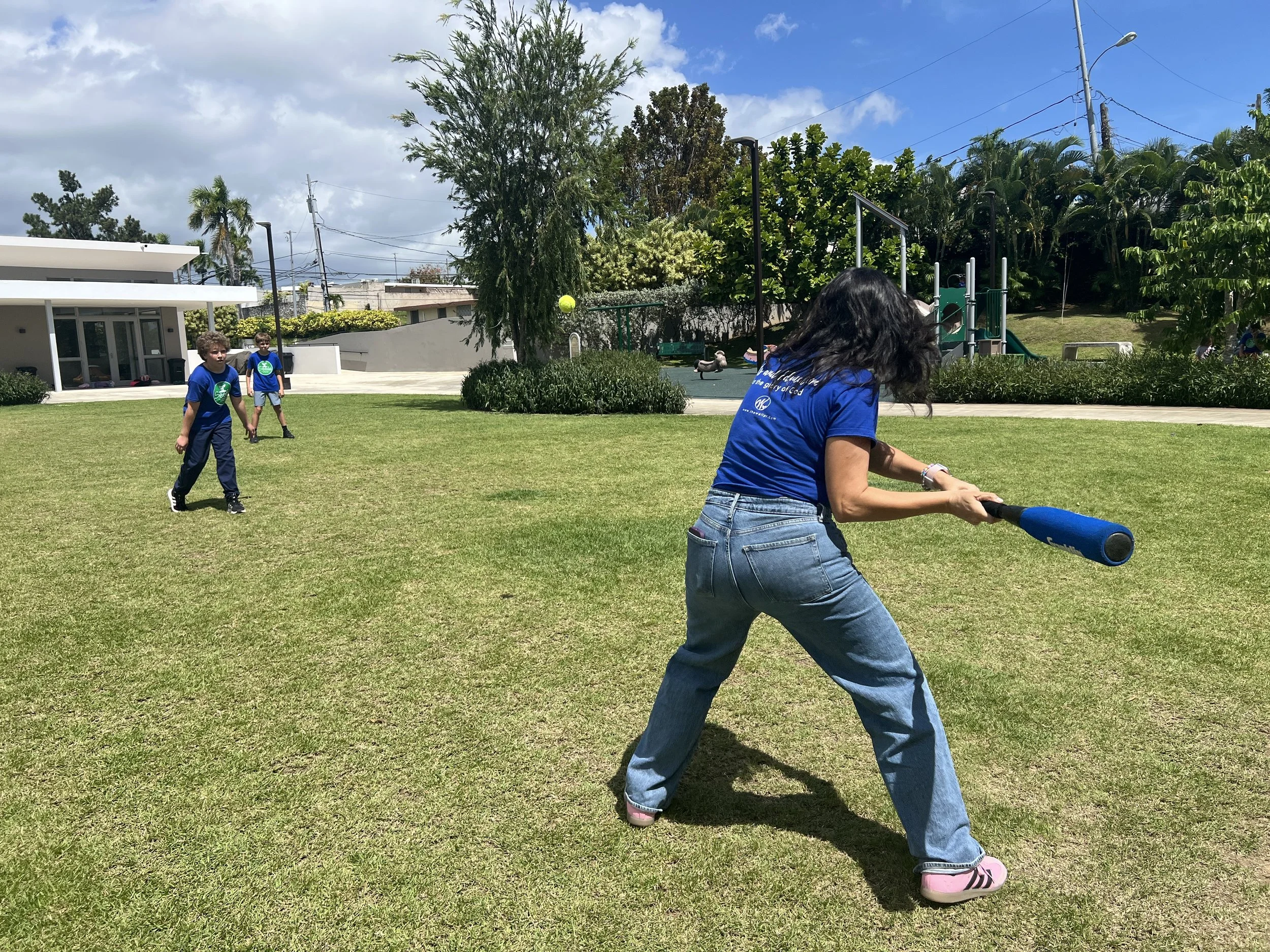
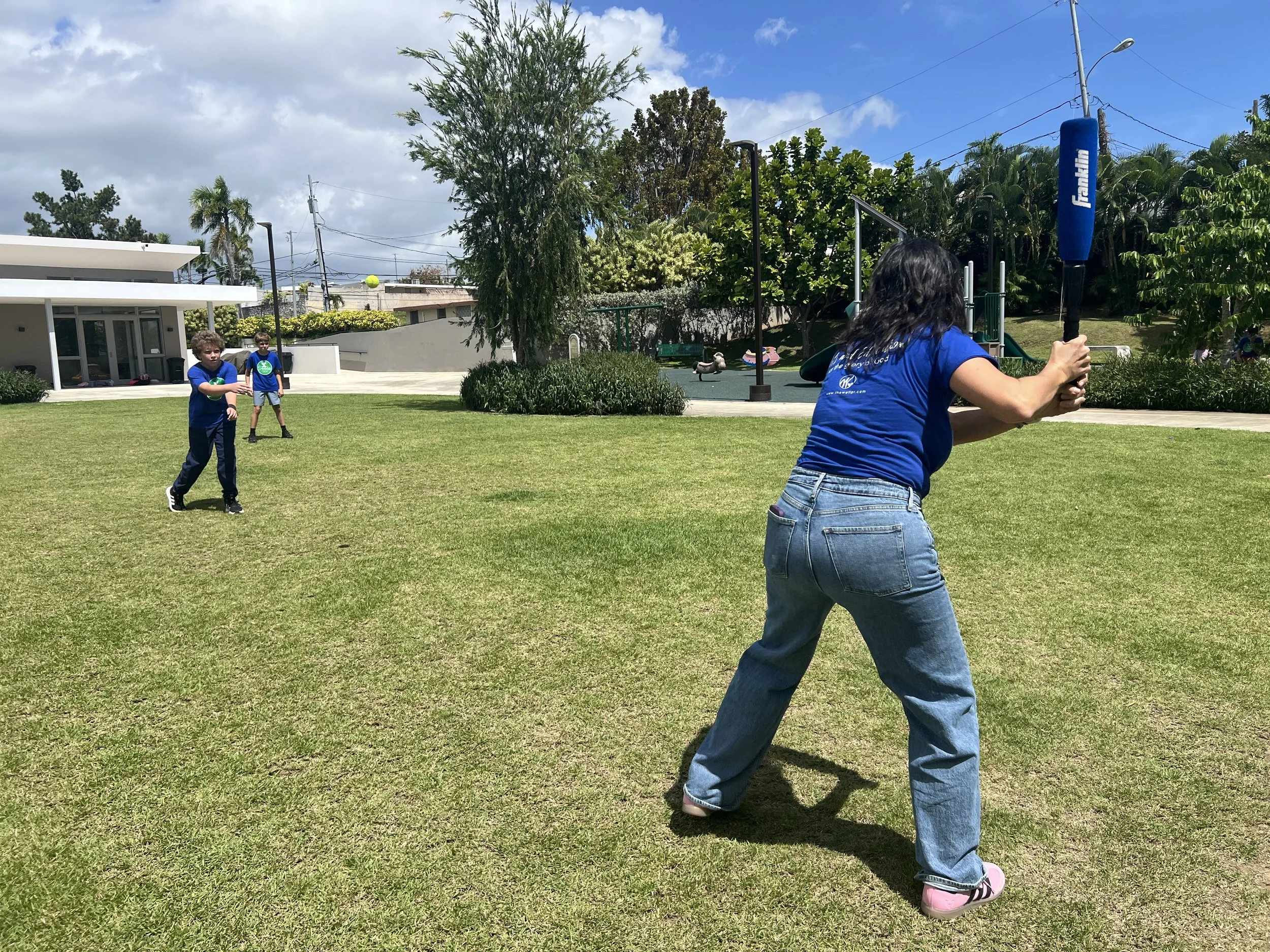
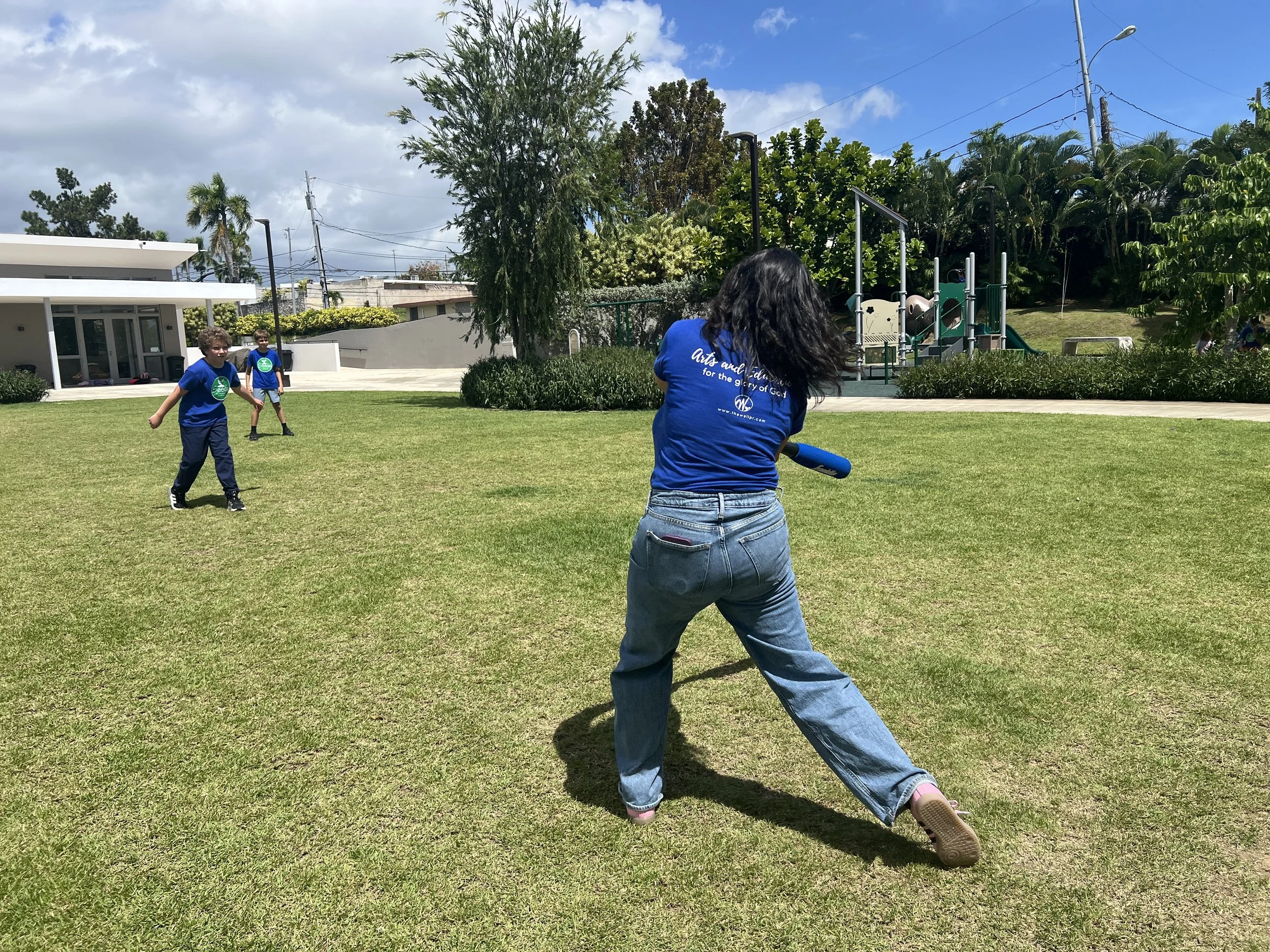
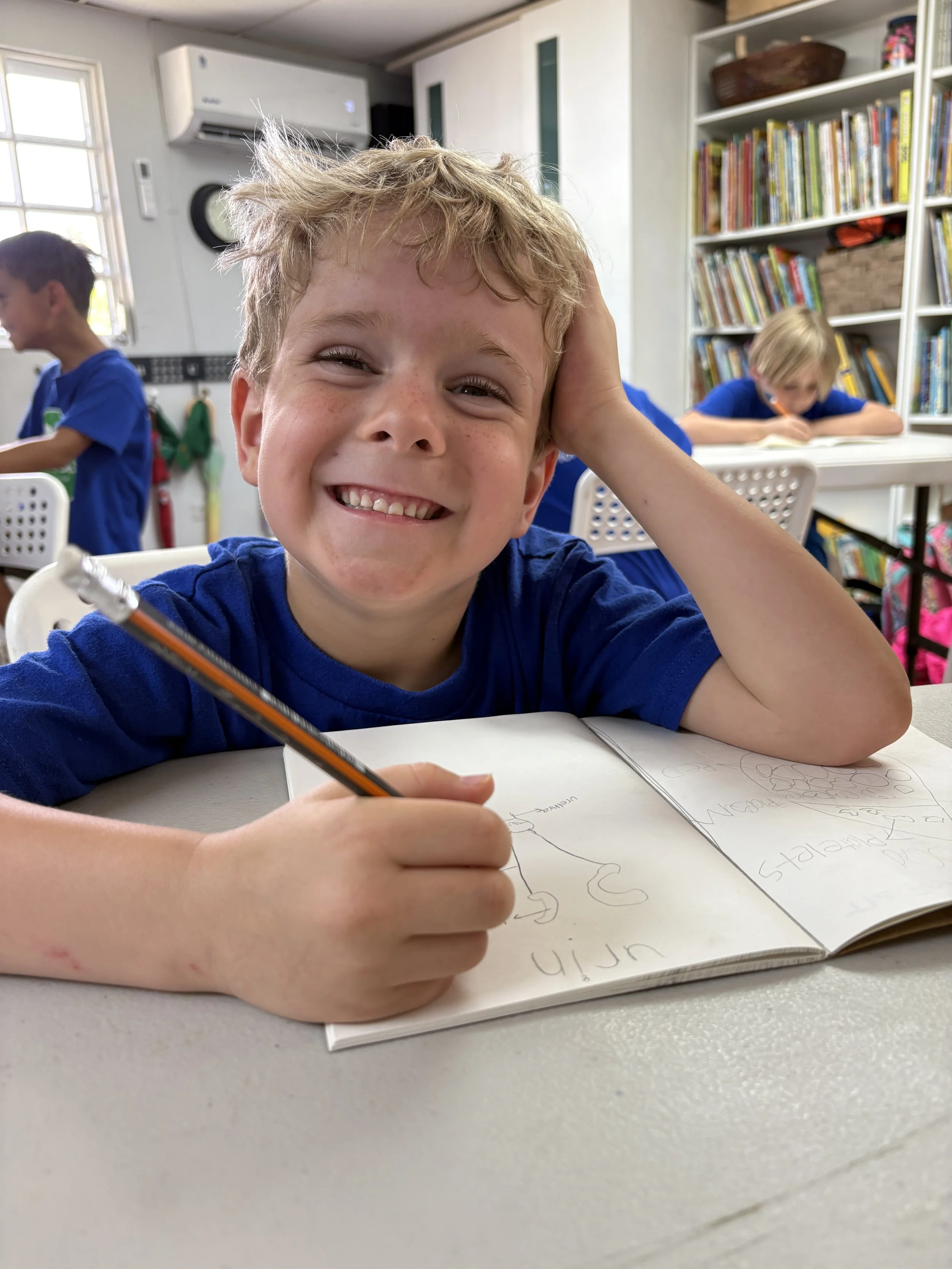
We finished our study of the urinary system this week by making a diagram in our science journals. Then, we began to learn about the muscular system. We learned that there are three systems that work together to help us move: the skeletal system, muscular system, and the nervous system. While the bones support your body, it is your brain that tells the muscles to move. On Friday, we did some exercises that work on building muscles and resistance and talked about the importance of keeping yourself strong as you age. This week we will learn about the different kinds of muscle in your body and look forward to exercising with Mrs. Michelle on Friday!
SUGGESTED READINGS
Encyclopedia of the Human Body
p. 24-25
New Seeds Memory Verse
“Do nothing out of selfish ambition or vain conceit. Rather, in humility value others above yourselves, not looking to your own interests but each of you to the interests of the others.”
The Oaks Program
BIBLE MEMORY PASSAGE (1 Corinthians 13:1-13):
The Oaks recited the entire section we’ve been working on this week! Great job everybody.
1 If I speak in the tongues of men and of angels, but have not love, I am a noisy gong or a clanging cymbal. 2 And if I have prophetic powers, and understand all mysteries and all knowledge, and if I have all faith, so as to remove mountains, but have not love, I am nothing. 3 If I give away all I have, and if I deliver up my body to be burned, but have not love, I gain nothing. 4 Love is patient and kind; love does not envy or boast; it is not arrogant 5 or rude. It does not insist on its own way; it is not irritable or resentful; 6 it does not rejoice at wrongdoing, but rejoices with the truth. 7 Love bears all things, believes all things, hopes all things, endures all things. 8 Love never ends. As for prophecies, they will pass away; as for tongues, they will cease; as for knowledge, it will pass away. 9 For we know in part and we prophesy in part, 10 but when the perfect comes, the partial will pass away. 11 When I was a child, I spoke like a child, I thought like a child, I reasoned like a child. When I became a man, I gave up childish ways. 12 For now we see in a mirror dimly, but then face to face. Now I know in part; then I shall know fully, even as I have been fully known.
13 So now faith, hope, and love abide, these three; but the greatest of these is love.
SCIENCE
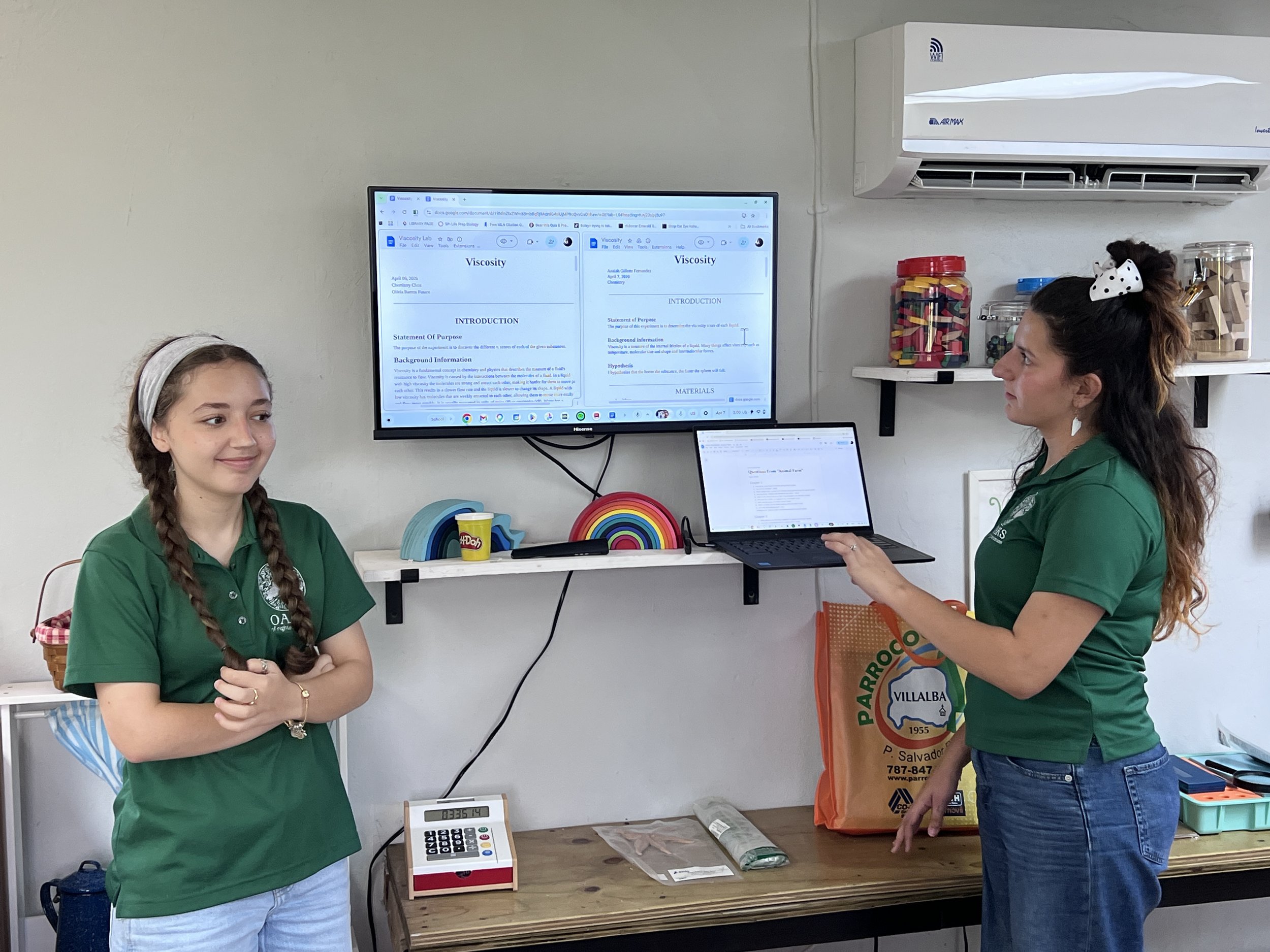
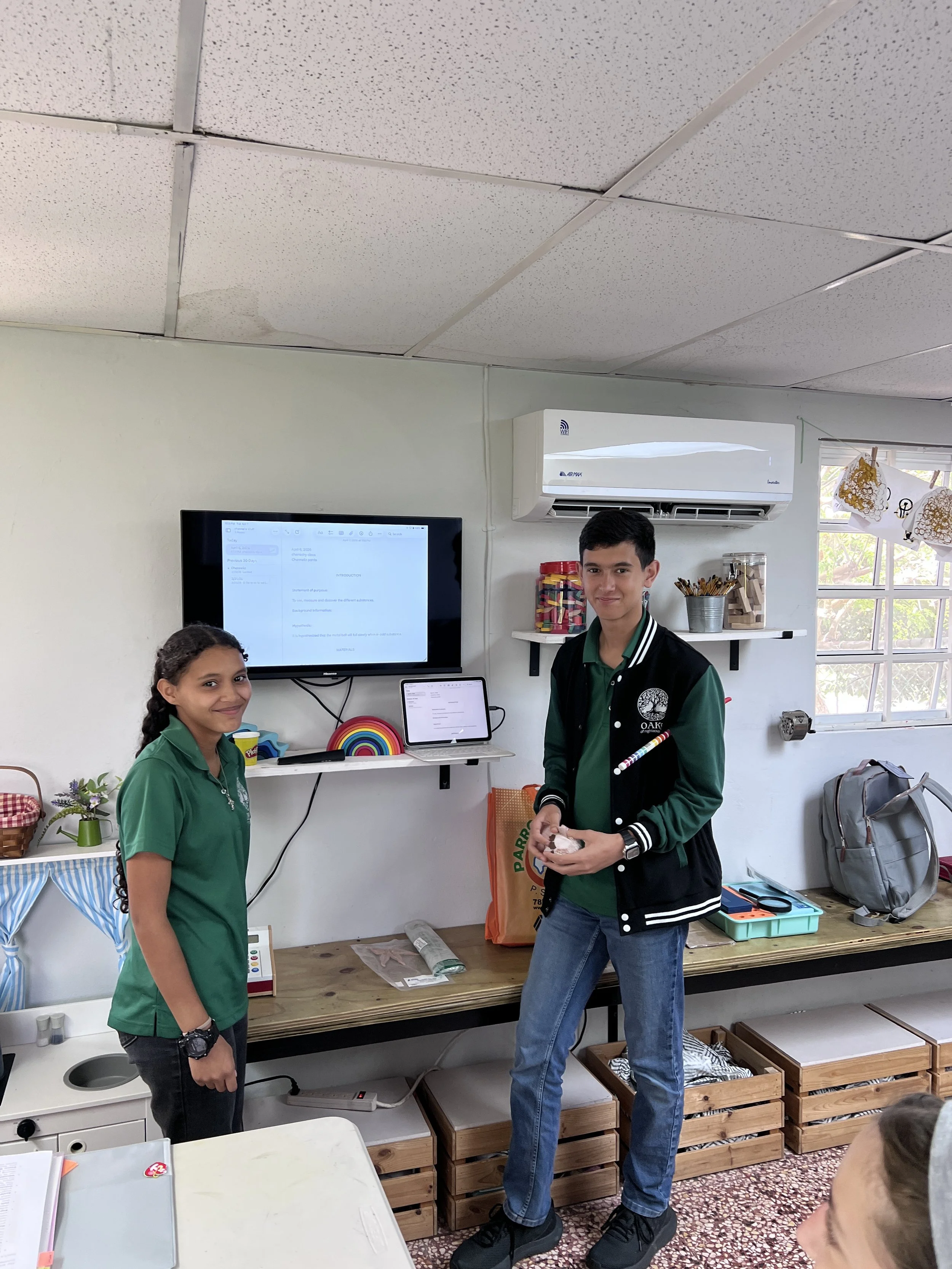
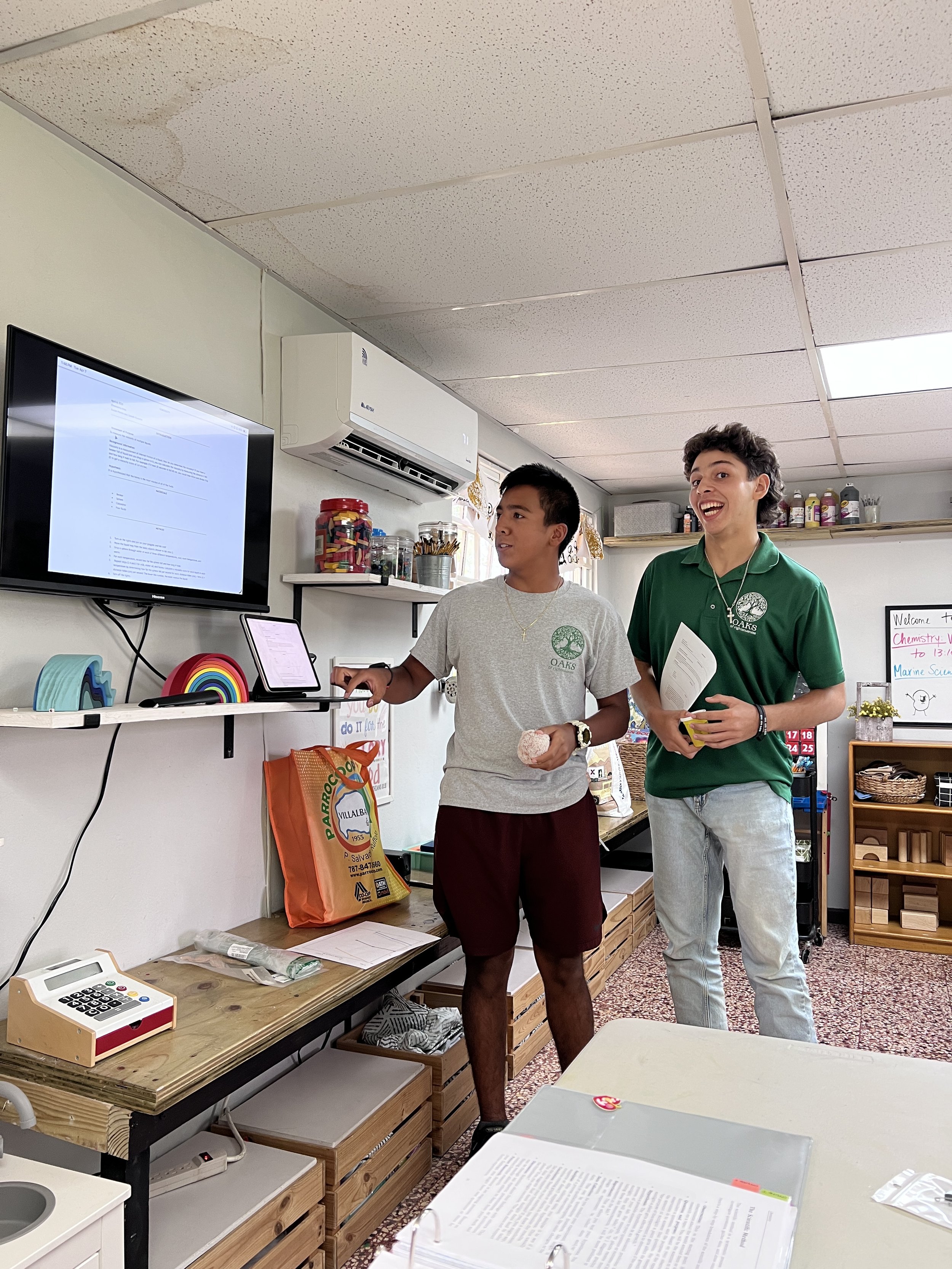
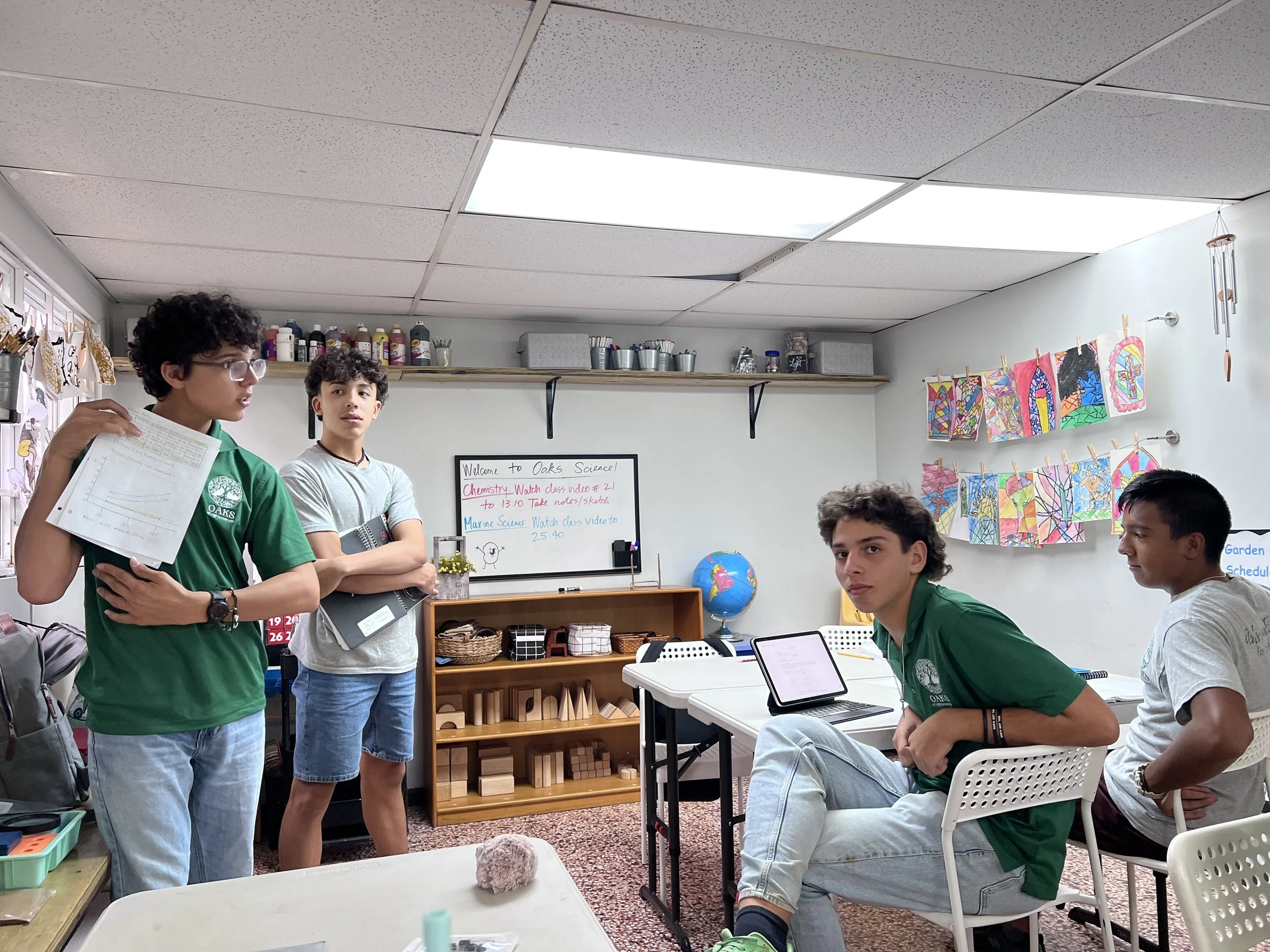
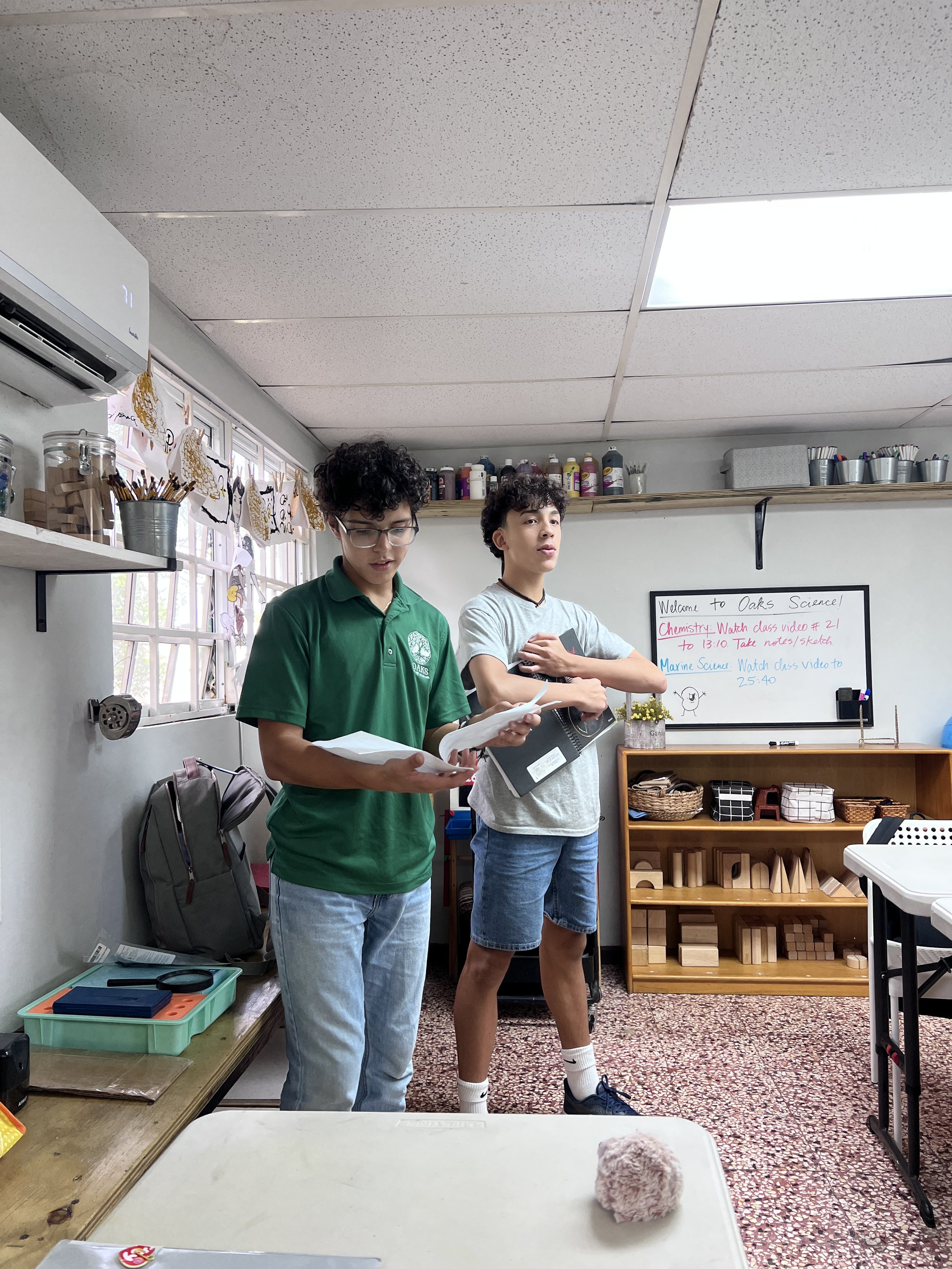
In Chemistry, the students finished up their study of viscosity with their presentations of their first complete lab reports. They all did a wonderful job! On Thursday, we started discussing the topic of electrolytes--what they are and why they're important in the human body. First, we learned about the first ever oral hydration drink--Gatorade--and how groundbreaking of an invention it was! It was important not just for the sports world but the rest of the world, particularly for the impoverished world that deals with diseases like Ebola and Cholera, which can cause severe dehydration. We also discussed the main electrolytes in the body and what their functions are.
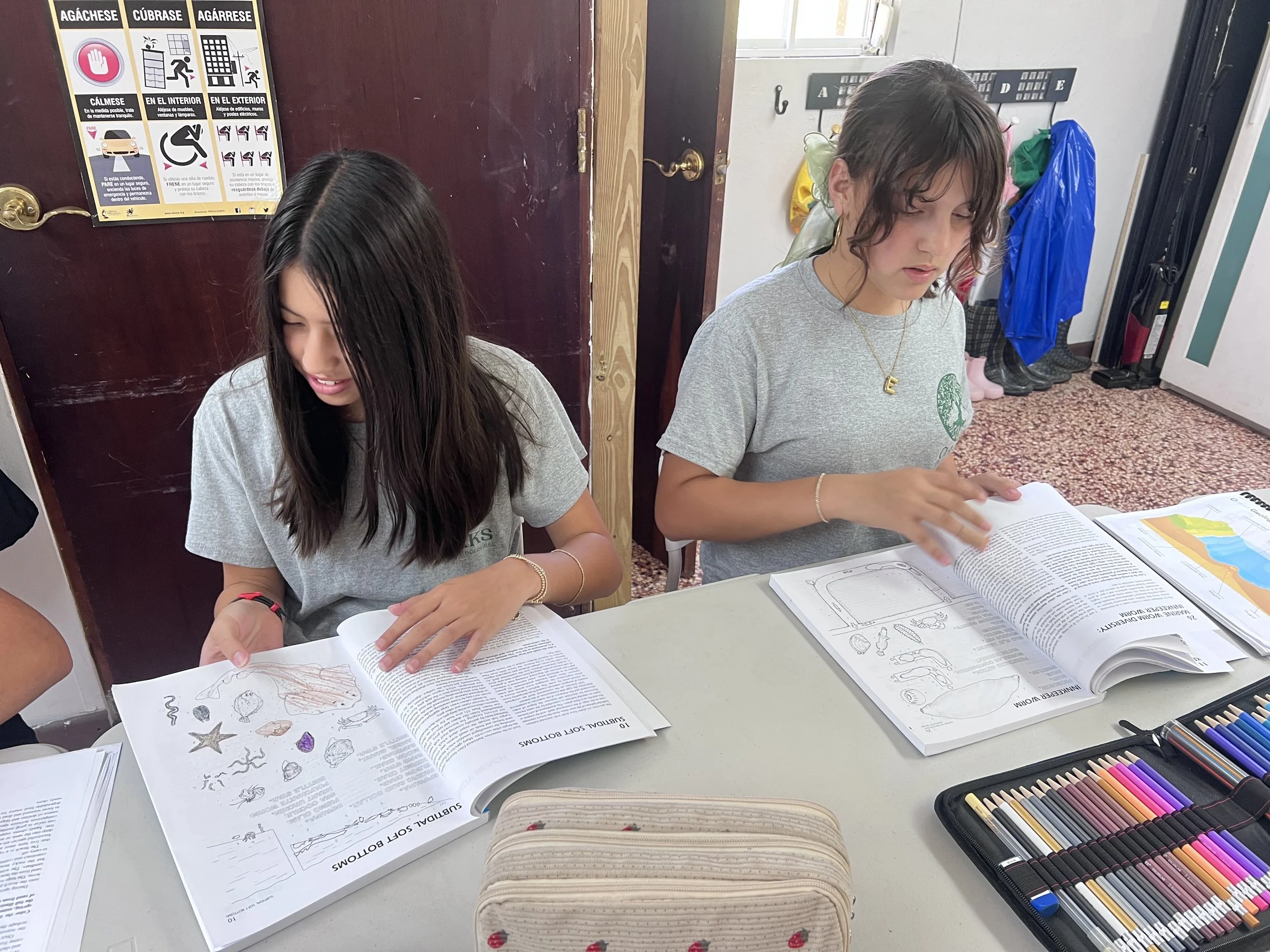
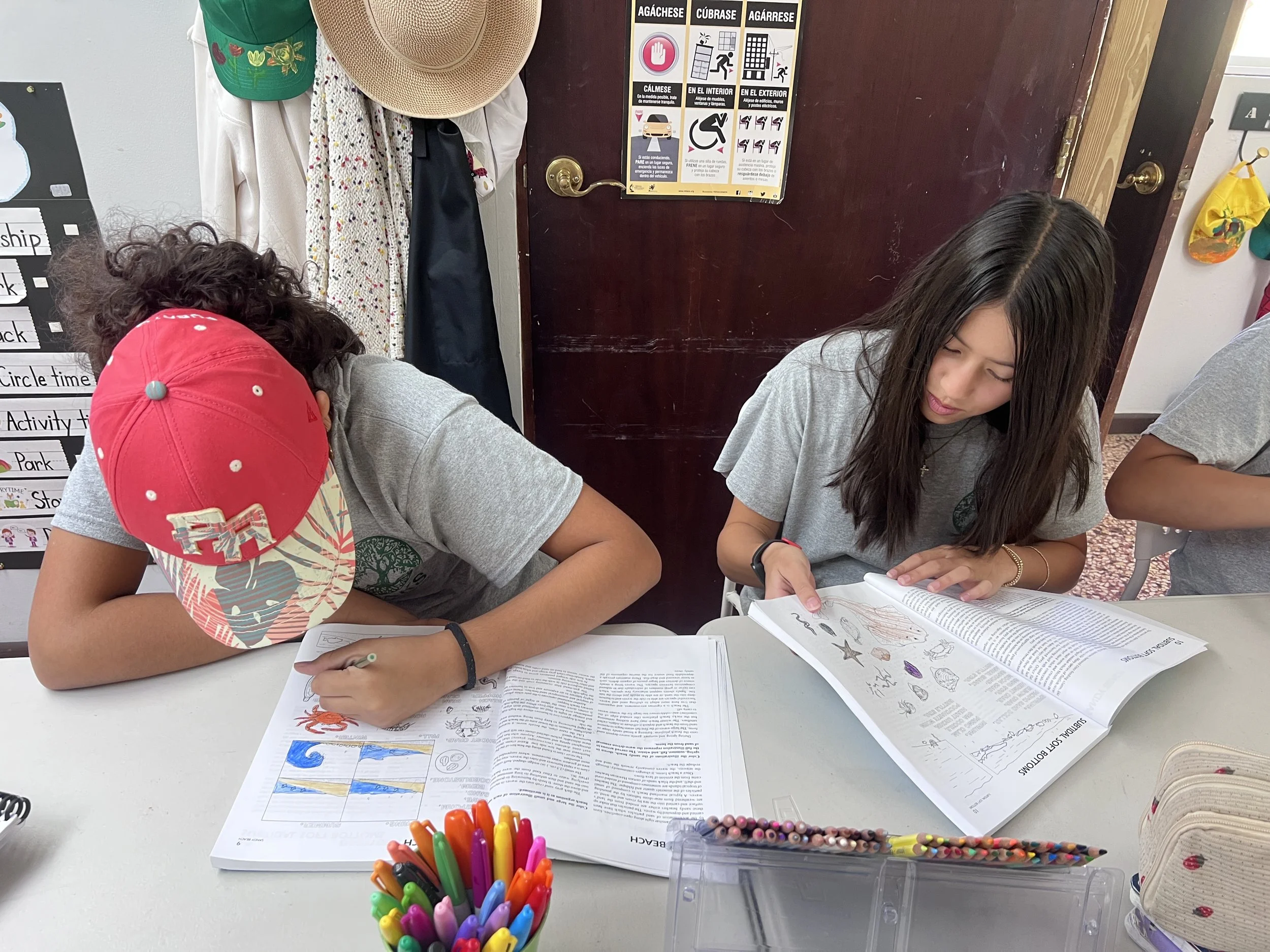
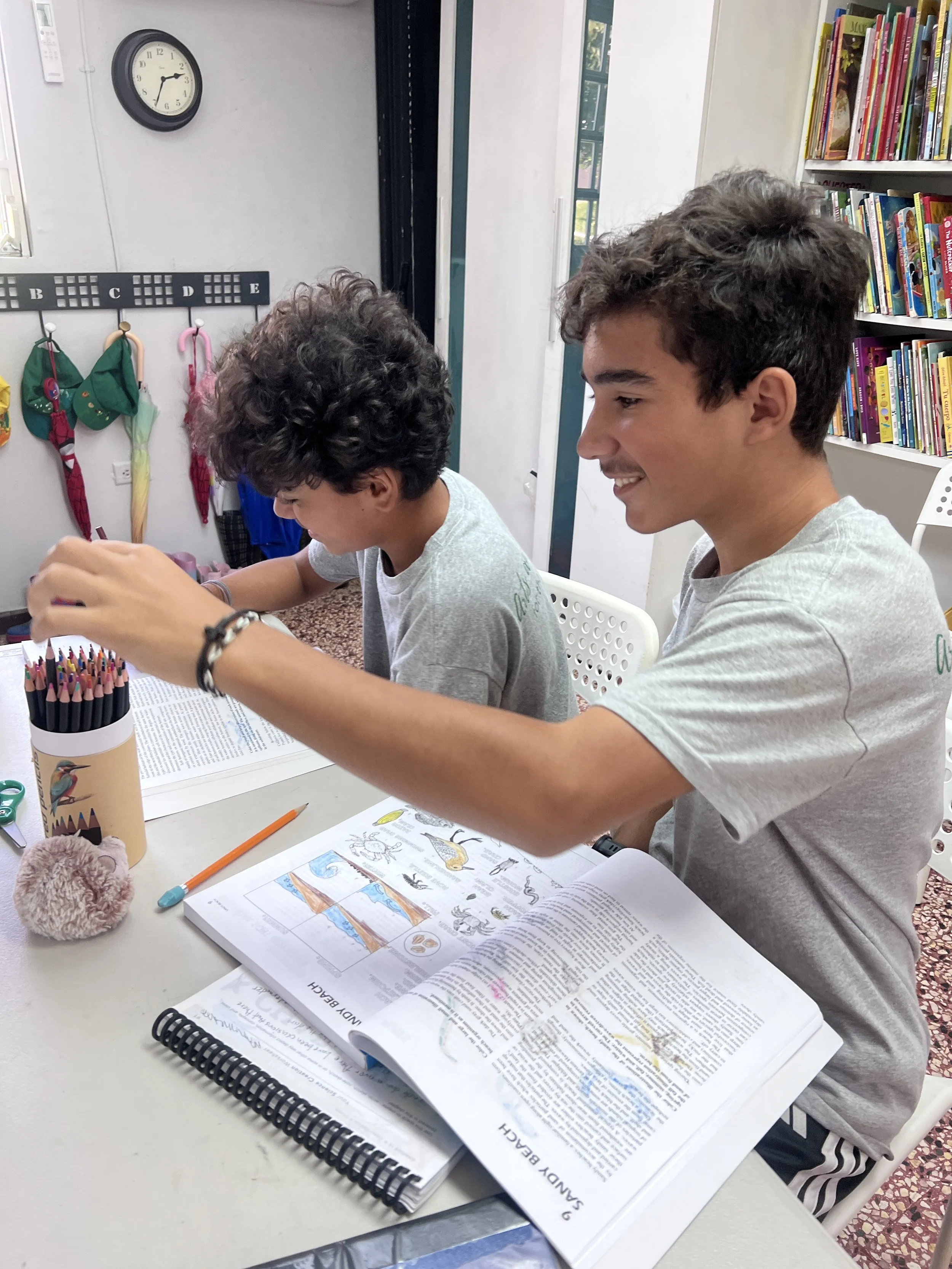
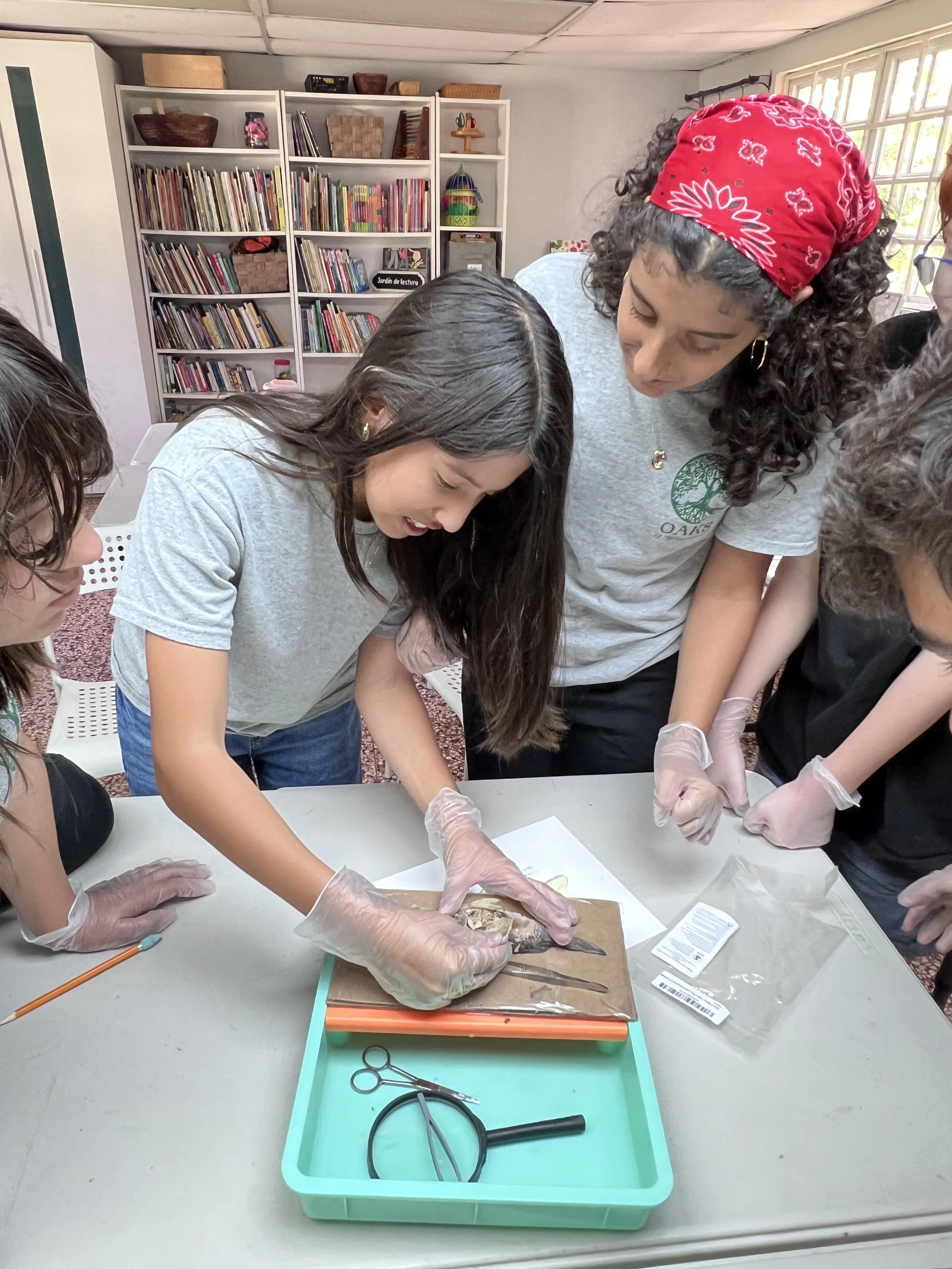
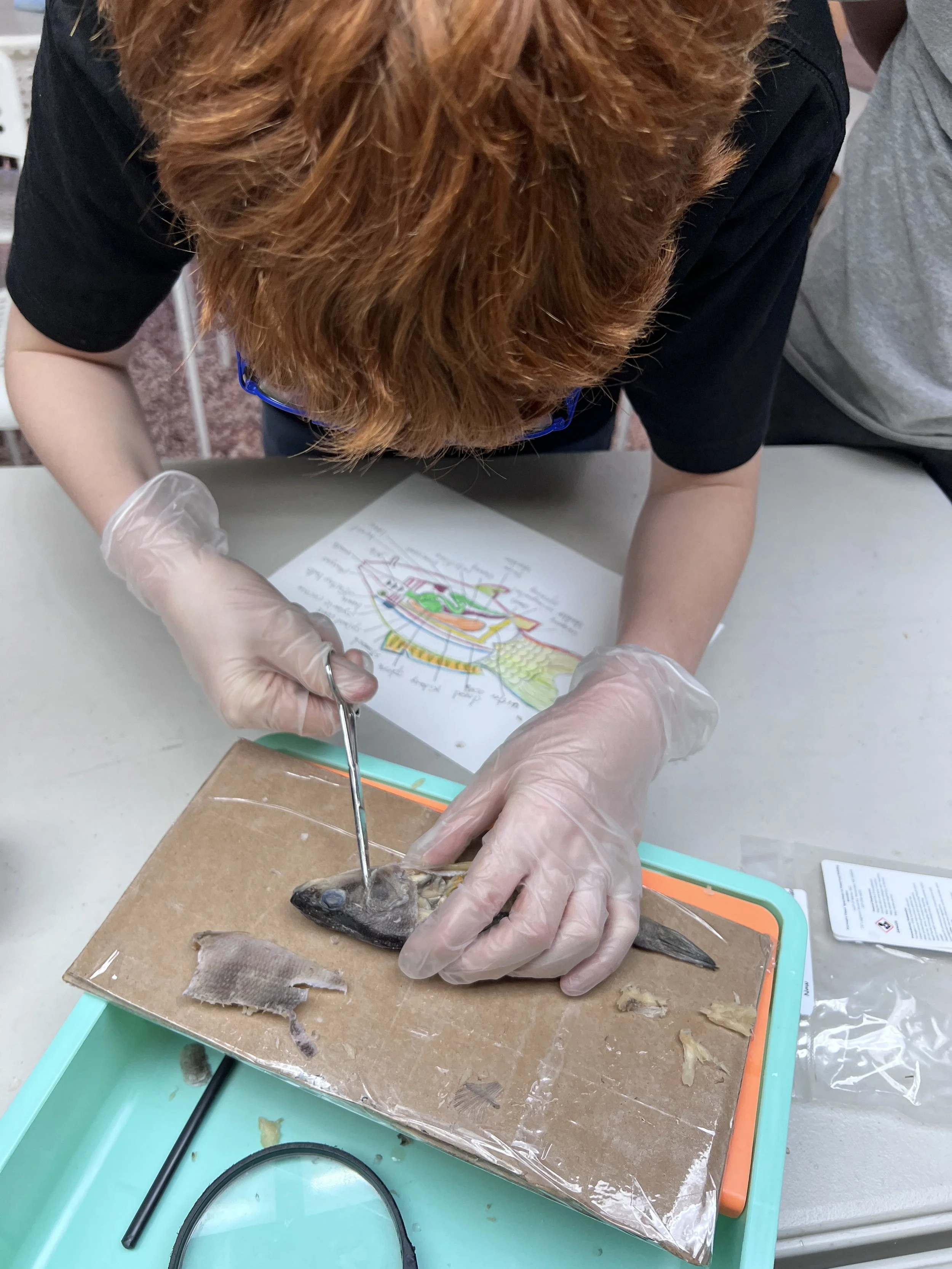
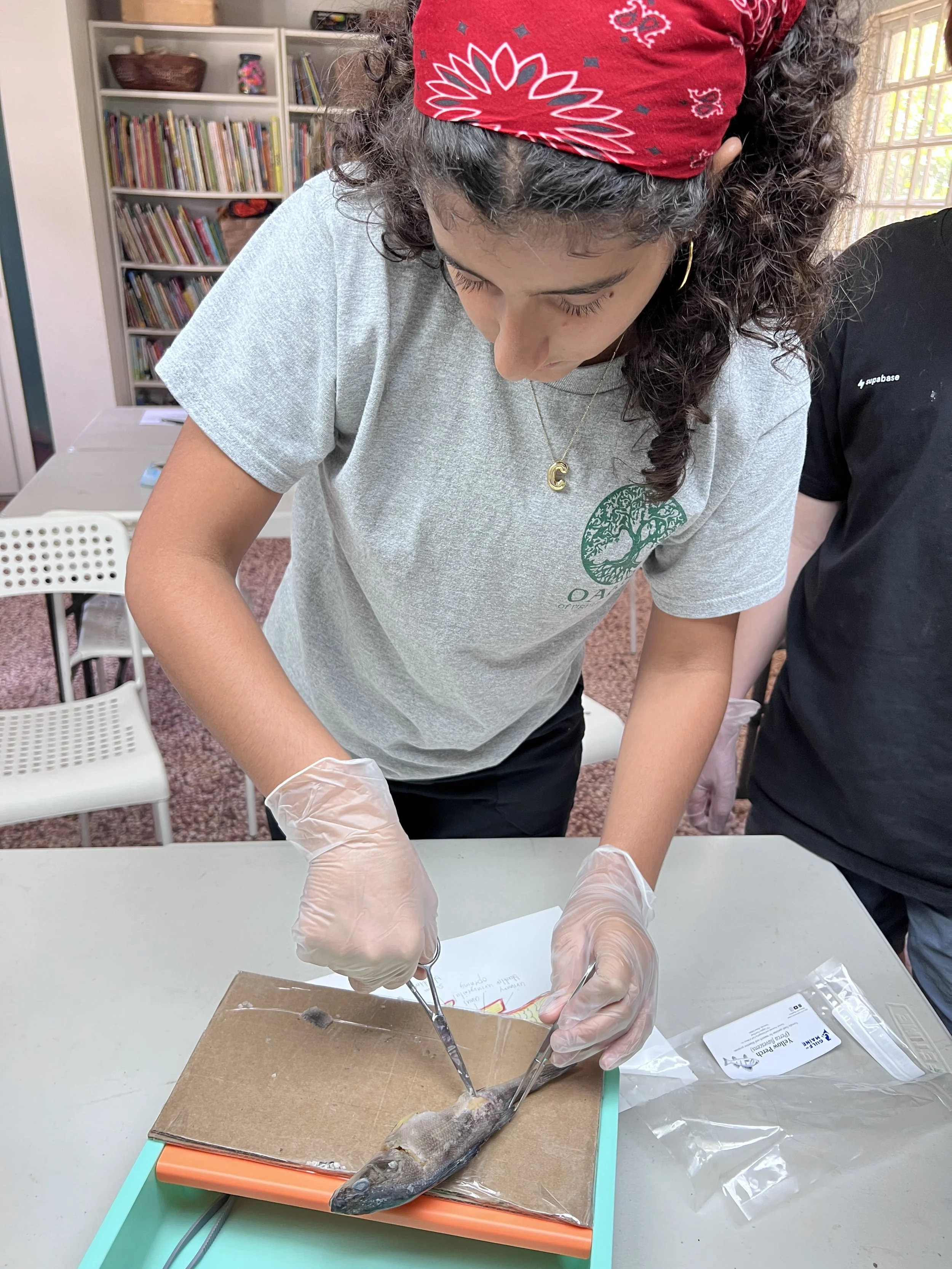
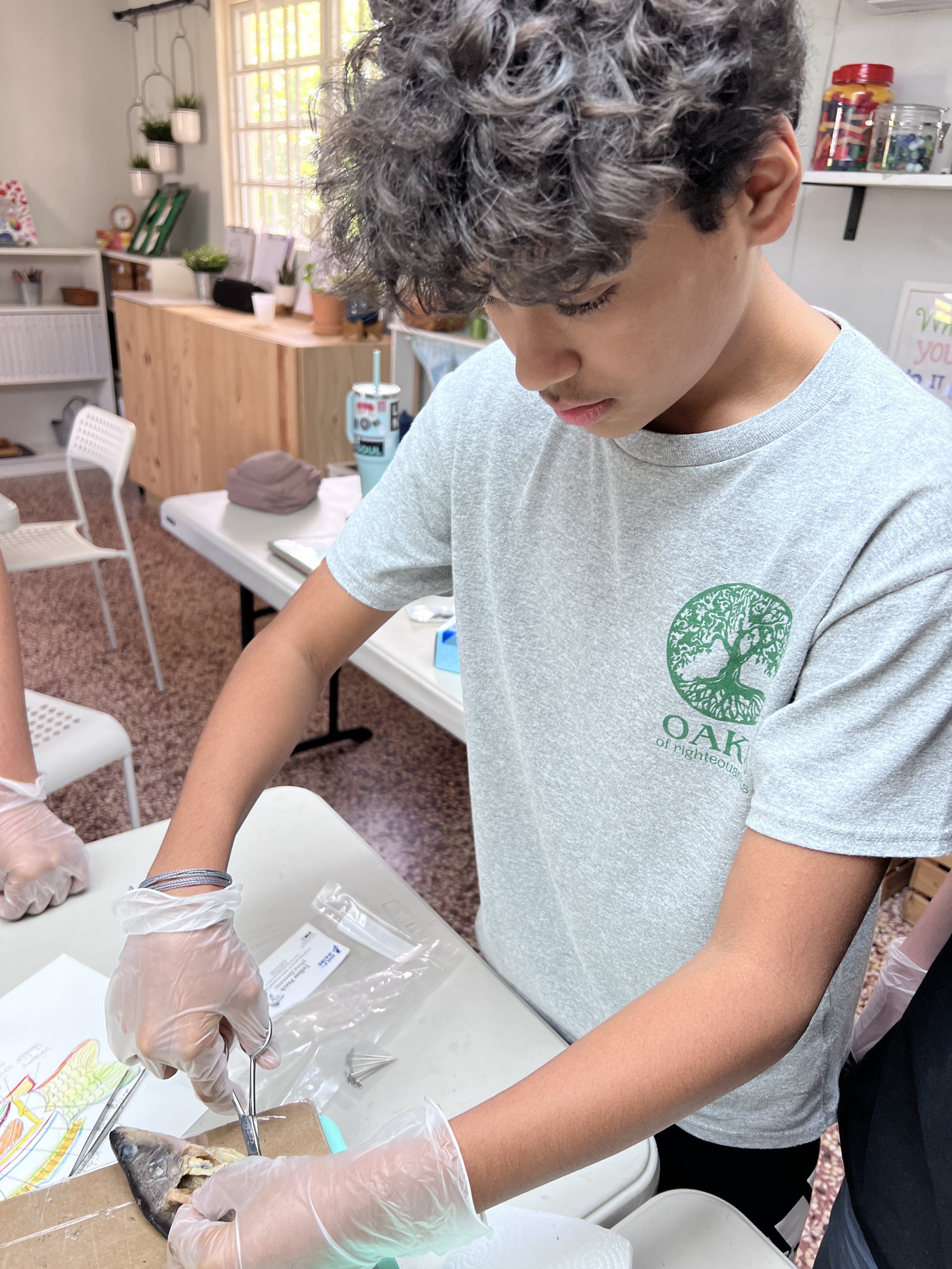
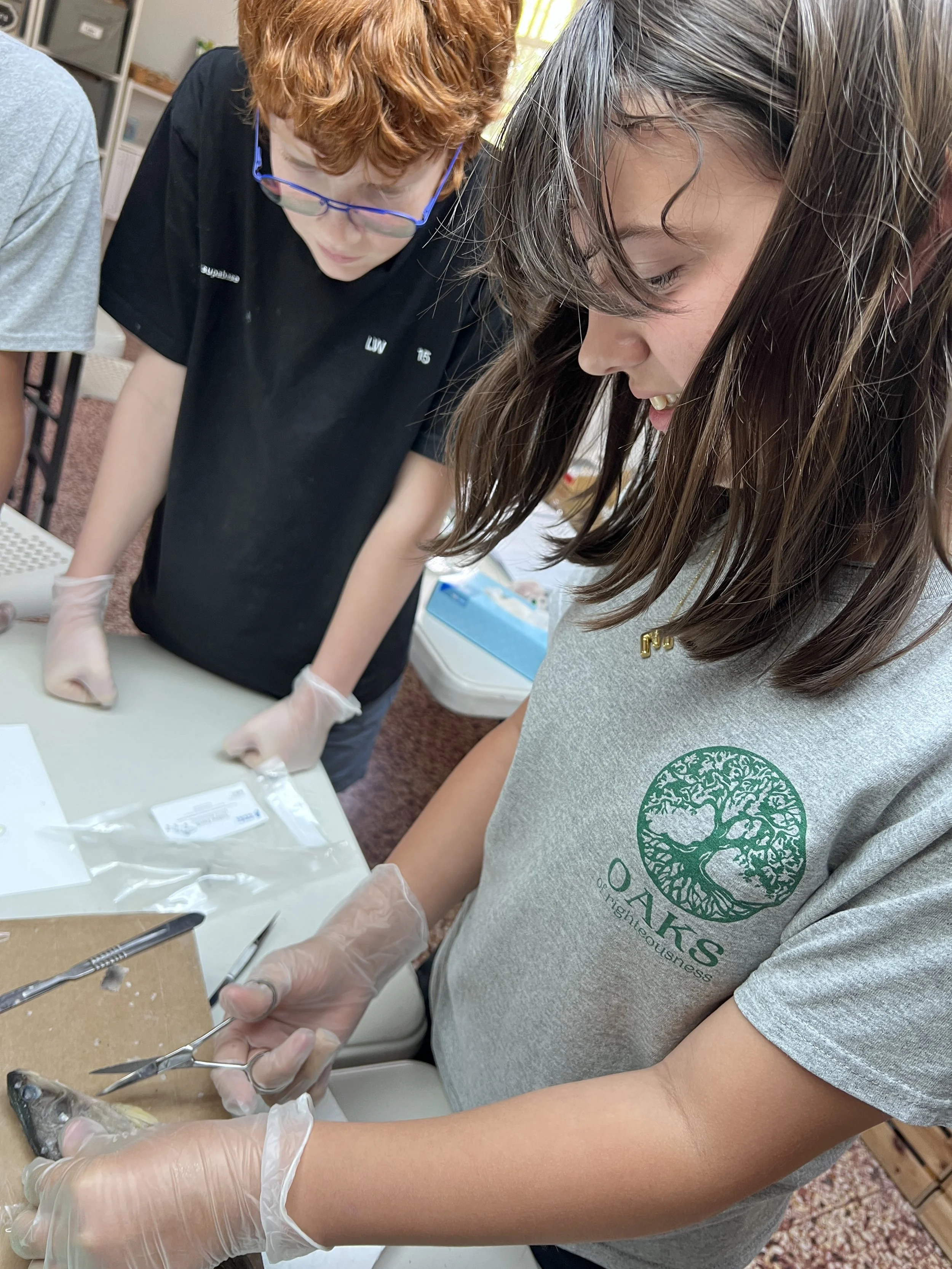
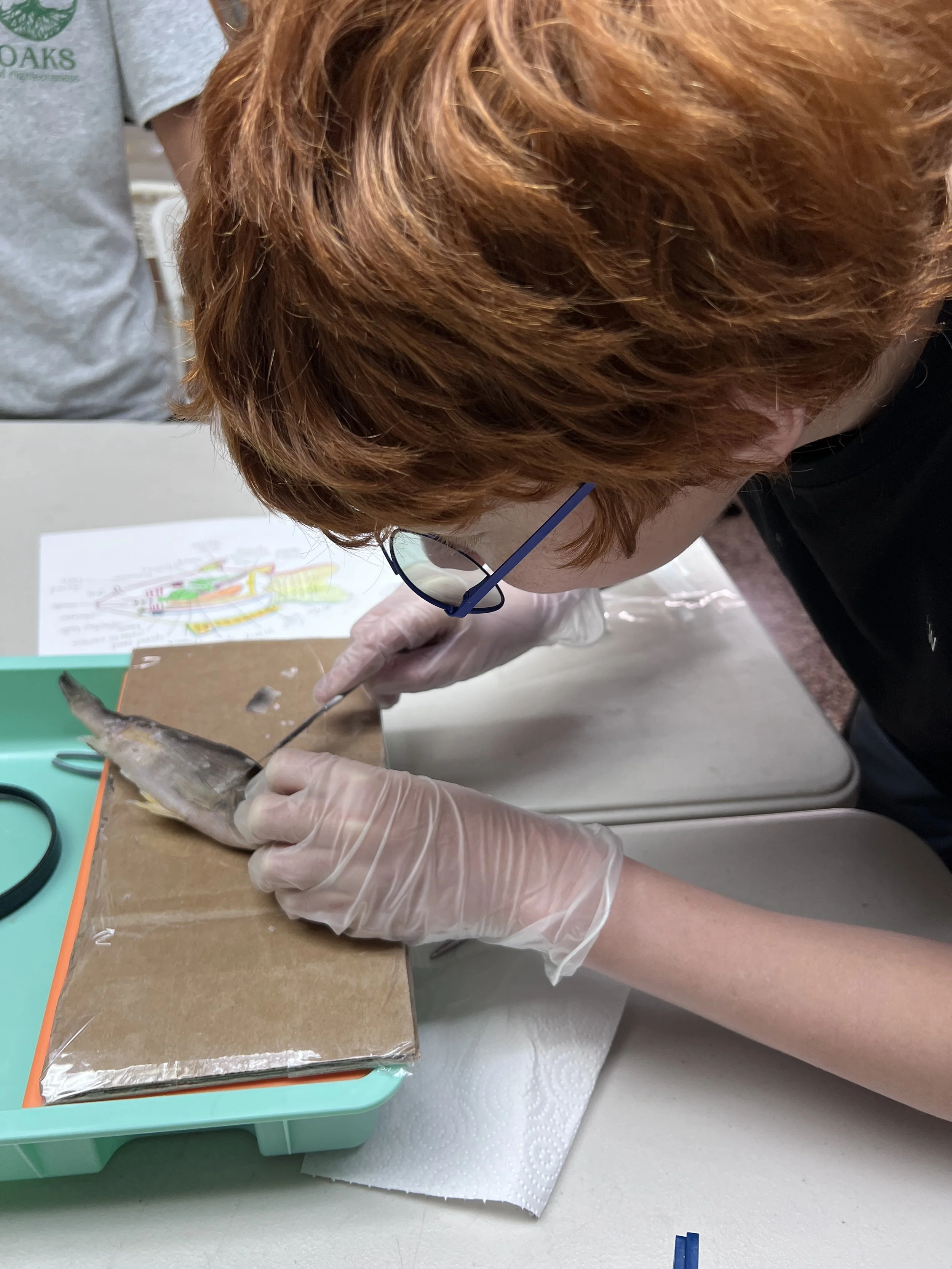
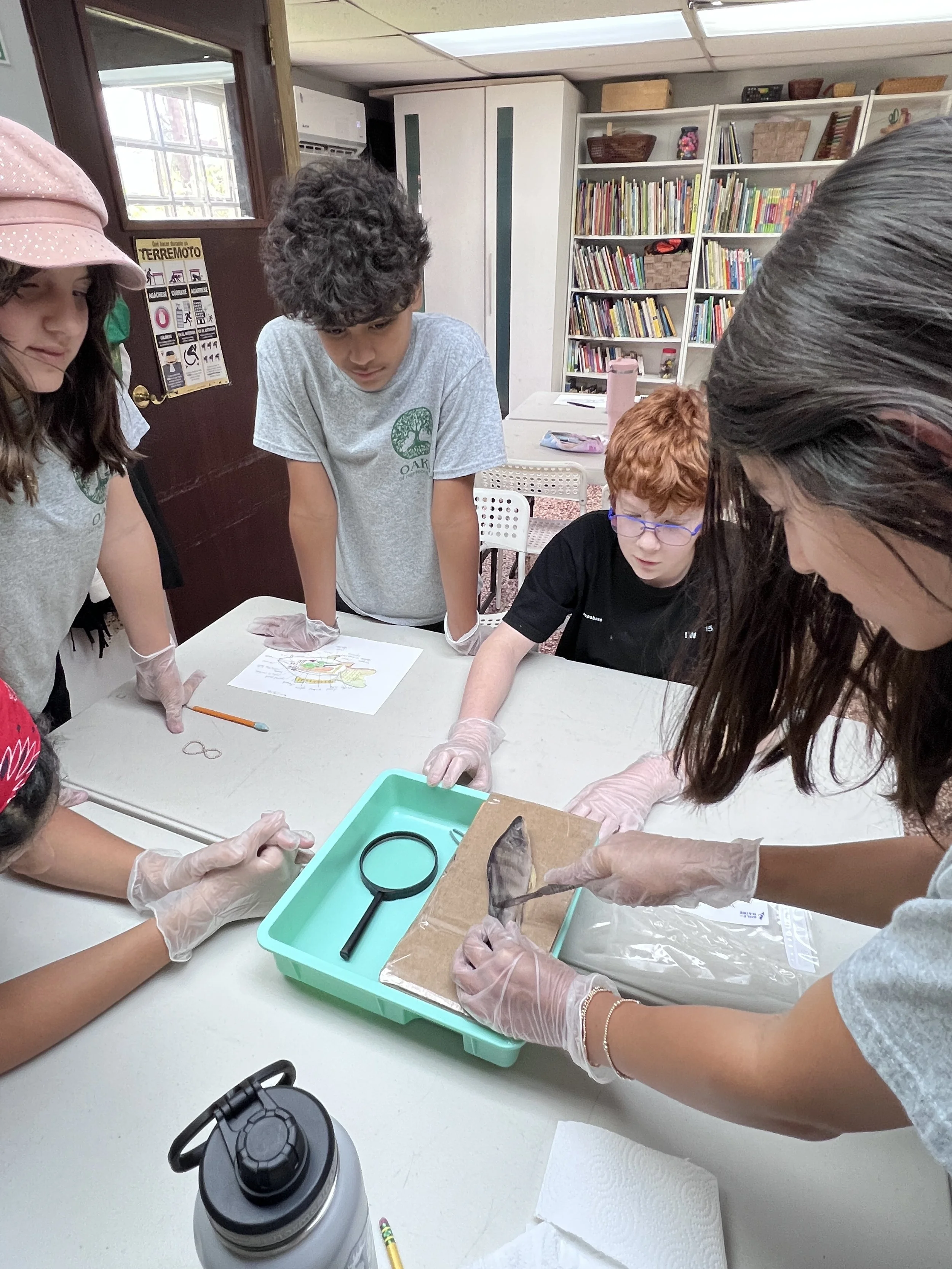
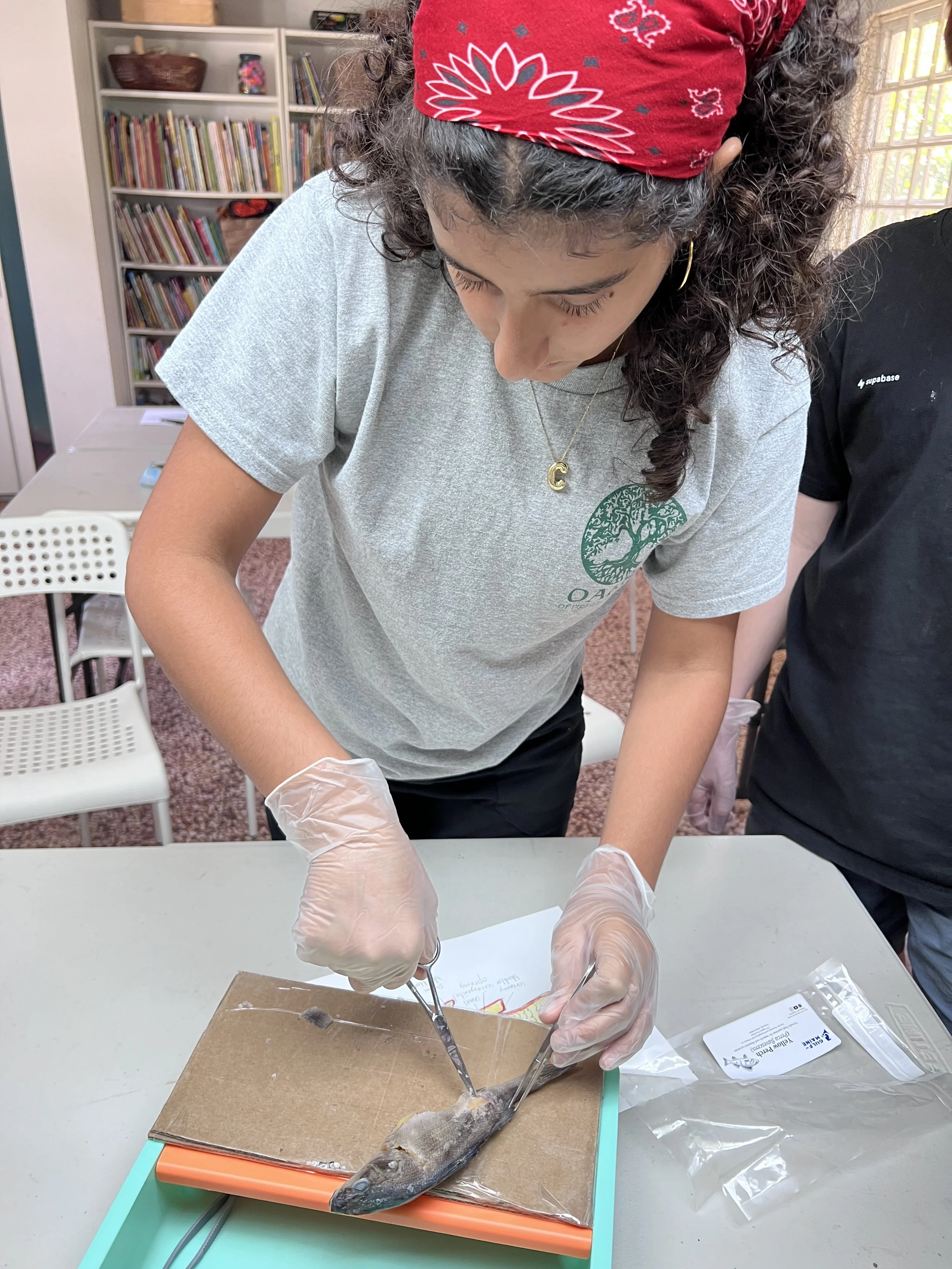
In Marine Science, since we have been learning about bony fish, the students did their first dissection of the year--on a yellow perch! Although the specimen was quite petite, the students were about to visualize and identify several key anatomical features such as the stomach and the heart. On Thursday, we discussed ocean floor geology--the different features of the ocean floor such as the continental shelf and the abyssal plain. We also viewed a couple of short videos by the National Oceanic and Atmospheric Association (NOAA) that shows how they map the ocean floor using sonar waves. One of the videos showcased how NOAA mapped the waters around Puerto Rico and the US Virgin Islands to help manage fish populations and commercial fishing.
HISTORY
The Oaks students also studied about the Plague of the Medieval Period and traced the spread of it by labeling a map. In fact, the students learned that between 1343 and 1358, the spread of the disease was widespread, seemingly traveling up from the south and moving north over a decade. Some areas were hit harder by others and as this was caused by a bacteria, the impact of the disease was more severe in warmer climates.
SUGGESTED READINGS
The Story of the World
P.227 - The Plague
P.231 - A New Way of Living
World History from Ancient to Modern Times
P. 148 - The Black Death
P. 136-137 - Traders and Towns
P. 125 The Hundred Year’s War
P. 152-153 - The Rise of Burgundy
Streams of Civilization
P. 313-316 - European Society before changes (stop before Russia and the Golden Horde)
P.381-385 - French and English Nationalism (stop before the War of the Roses)